

Why Are External Partnerships Important for a Vice Principal of Public Relations?
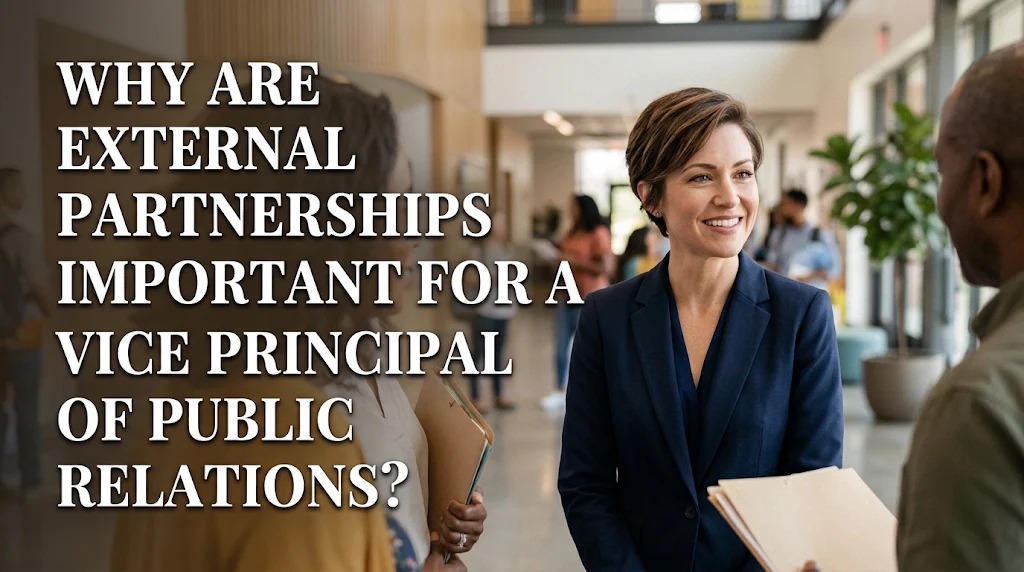
Schools cannot achieve all their educational goals through internal activities alone. Cooperation with external organizations, businesses, universities, government institutions, and community groups can provide valuable support for school development. A Vice Principal of Public Relations plays an important role in building and maintaining these partnerships. Through effective cooperation, schools can gain additional resources, create learning opportunities, and strengthen their relationships with the wider community. External partnerships also help schools become more connected to real-world developments and community needs.
EXPANDING SCHOOL NETWORKS AND RELATIONSHIPS
External partnerships help schools build connections with different organizations and institutions. A Vice Principal of Public Relations can establish communication with universities, companies, local communities, government agencies, and other educational institutions. These relationships allow schools to exchange information, share experiences, and explore opportunities for cooperation. A wider network can also make it easier for schools to find partners who support their educational programs.
Strong relationships require consistent communication and mutual understanding. The Vice Principal of Public Relations needs to understand each partner's interests and identify common goals. Regular meetings, official correspondence, and joint activities can help maintain these connections. When partnerships are managed professionally, schools can develop long-term relationships that benefit both parties.
PROVIDING MORE LEARNING OPPORTUNITIES FOR STUDENTS
One of the main benefits of external partnerships is the opportunity to provide students with experiences beyond the classroom. Schools can cooperate with universities, companies, and professional organizations to organize workshops, seminars, internships, educational visits, and career guidance activities. These programs help students understand how knowledge is applied in real situations. They can also introduce students to different professions and future educational pathways.
External cooperation can also support the development of practical skills. For example, students may participate in technology training, entrepreneurship programs, environmental projects, or community service activities. Such experiences encourage students to improve communication, teamwork, problem-solving, and responsibility. By connecting classroom learning with real-world activities, schools can prepare students more effectively for future challenges.
SUPPORTING SCHOOL PROGRAMS AND INSTITUTIONAL DEVELOPMENT
External partners can provide resources and expertise that support school programs. Some organizations may offer training, educational materials, professional speakers, equipment, or opportunities for collaborative projects. These contributions can help schools improve the quality and variety of their activities. However, every partnership should be developed according to the school's needs and educational priorities.
The Vice Principal of Public Relations helps coordinate communication between the school and potential partners. This includes introducing school programs, explaining cooperation proposals, and arranging meetings with relevant parties. The school should also establish clear responsibilities and expectations before starting a partnership. Proper coordination helps ensure that cooperation is useful, transparent, and beneficial to students.
STRENGTHENING THE SCHOOL'S REPUTATION AND PUBLIC TRUST
Positive external partnerships can improve how the public views a school. Cooperation with reputable institutions demonstrates that the school is actively building relationships and seeking opportunities for improvement. Joint activities, community programs, and educational collaborations can also introduce the school's achievements to a wider audience. This may increase public interest and strengthen confidence among parents and prospective students.
However, a good reputation should be built through meaningful cooperation rather than simply collecting partner names or logos. Schools need to demonstrate that their partnerships produce real benefits and follow professional standards. The Vice Principal of Public Relations should communicate the results of collaborative activities honestly and clearly. Transparency helps maintain trust and shows the community that the school takes its responsibilities seriously.
MAINTAINING EFFECTIVE AND SUSTAINABLE PARTNERSHIPS
Building a partnership is only the beginning. Schools must maintain communication and evaluate whether the cooperation continues to meet its intended goals. A Vice Principal of Public Relations can arrange regular discussions, collect feedback, and monitor the progress of joint programs. These activities help identify problems and provide opportunities to improve future cooperation.
It is also important to ensure that partnerships follow school policies, protect student safety, and respect privacy. Agreements should clearly explain each party's responsibilities, the duration of cooperation, and the expected outcomes. If a partnership no longer supports the school's needs, its arrangements may need to be reviewed. Careful management helps create sustainable relationships that provide long-term educational value.
CONCLUSION
External partnerships are important for a Vice Principal of Public Relations because they help schools expand their networks, improve learning opportunities, support educational programs, and strengthen public trust. Cooperation with universities, businesses, government institutions, and community organizations can provide valuable experiences and resources for students. However, successful partnerships require clear communication, shared goals, transparency, and regular evaluation. By managing these relationships effectively, the Vice Principal of Public Relations can help schools become more connected, supportive, and prepared for future educational challenges.
Recent Posts

How Does Technology Make Daily Evaluation... 21.11.2026/63 View

Apa Strategi Menghadapi Kesenjangan antara Kompetensi... 21.11.2026/64 View

Mengapa Inventaris Aset Penting bagi Kelancaran... 21.11.2026/60 View

When Should Musicians Join a Record... 21.11.2026/59 View

Daily Evaluation or Daily Planning Which... 21.11.2026/67 View
