

Why Are Flag Ceremonies Important for Building Student Nationalism?
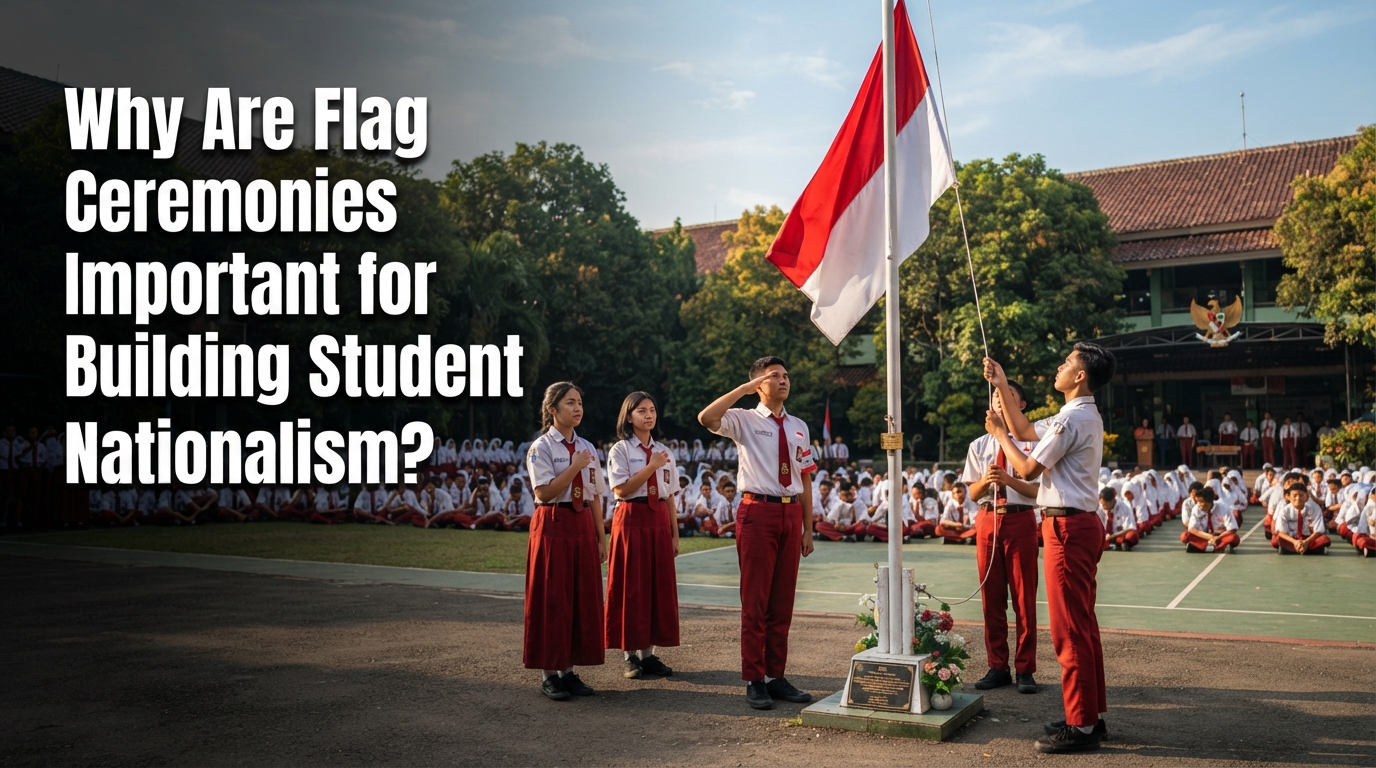
Flag ceremonies are important school activities that help develop nationalism, patriotism, and a sense of responsibility among students. In Indonesia, these ceremonies are commonly held every Monday morning and during national commemorative events. Students gather to participate in activities such as raising the Red and White Flag, singing the national anthem, and listening to messages delivered by the ceremony supervisor.
However, flag ceremonies are more than formal school traditions. They provide opportunities for students to understand the meaning of independence, appreciate national history, and recognize their responsibilities as part of Indonesian society. Through regular participation, students can learn to respect national symbols, maintain unity, and appreciate the diversity of their country. Therefore, flag ceremonies play an important role in building student nationalism and strengthening national identity from an early age.
UNDERSTANDING THE MEANING OF NATIONALISM THROUGH FLAG CEREMONIES
Flag ceremonies help students understand the meaning of nationalism through activities that represent national identity and unity. When students participate in raising the Red and White Flag and singing Indonesia Raya, they are reminded of the country's independence and the struggles of previous generations. These activities introduce students to the importance of respecting their nation and appreciating the freedom they enjoy today. They also help students recognize that being part of a country involves rights and responsibilities.
Furthermore, nationalism is not simply about expressing pride during formal ceremonies. It also involves respecting others, protecting national unity, and contributing positively to society. Students can demonstrate nationalism by following school rules, respecting cultural differences, and helping their communities. In this way, flag ceremonies introduce values that can be practiced in everyday life.
REMEMBERING THE STRUGGLE OF NATIONAL HEROES
Another reason flag ceremonies are important is that they remind students of the sacrifices made by national heroes. Indonesia's independence was achieved through the determination, courage, and cooperation of many people from different regions. During flag ceremonies, teachers can explain historical events and share stories about individuals who contributed to the nation's freedom. These lessons help students understand that independence was not achieved easily.
Learning about national heroes can also inspire students to develop patriotism and appreciation for history. They can understand the importance of courage, unity, sacrifice, and responsibility in facing challenges. Although students may not experience the same struggles as previous generations, they can continue their contributions through education, positive behavior, and useful achievements. Respecting national heroes means maintaining the values that helped build the country.
STRENGTHENING LOVE AND PRIDE FOR THE COUNTRY
Flag ceremonies provide a meaningful opportunity for students to develop love and pride for Indonesia. The Red and White Flag represents the nation's identity, while the national anthem expresses the spirit of independence and togetherness. By participating respectfully in these activities, students become more familiar with their country's national symbols. They can also develop a stronger emotional connection with their national identity.
This sense of pride should encourage students to appreciate Indonesia's cultural diversity, natural resources, and historical heritage. Students can express their love for the country by preserving local traditions, protecting the environment, and respecting people from different backgrounds. National pride should also motivate them to study seriously and develop their abilities. Through these actions, nationalism becomes something meaningful rather than just a feeling expressed during ceremonies.
DEVELOPING UNITY AND RESPECT FOR DIVERSITY
Indonesia is a country with many ethnic groups, languages, religions, and cultural traditions. Flag ceremonies bring students from different backgrounds together in one activity, reminding them that they share the same national identity. This experience teaches the importance of unity in diversity, which is closely connected to the national motto Bhinneka Tunggal Ika. Students learn that differences should be respected rather than used as reasons for discrimination.
Participating together also encourages students to build positive relationships with their classmates. They learn to cooperate, follow common rules, and respect the responsibilities of others. These habits can reduce misunderstandings and strengthen friendships within the school environment. As a result, flag ceremonies can support the development of a generation that values tolerance and national unity.
TEACHING DISCIPLINE AND RESPONSIBILITY AS FORMS OF NATIONALISM
Nationalism can also be demonstrated through responsible behavior in everyday life. Flag ceremonies teach students to arrive on time, wear appropriate uniforms, follow instructions, and participate in an orderly manner. These activities develop discipline and personal responsibility, which are important qualities for responsible citizens. Students also learn that respecting shared rules helps maintain order within a community.
Responsibility can be practiced through simple actions, such as keeping the school clean, respecting teachers, helping classmates, and completing assignments honestly. These behaviors may seem ordinary, but they contribute to creating a positive society. Students who understand their responsibilities can become more aware of how their actions affect others. Therefore, discipline during flag ceremonies can become a foundation for responsible citizenship.
BUILDING AWARENESS OF NATIONAL IDENTITY AND CIVIC VALUES
Flag ceremonies introduce students to important elements of national identity, including the national flag, national anthem, national motto, and the values contained in Pancasila. These symbols and principles represent the foundation of Indonesia as an independent and united nation. By learning about them, students can better understand their identity as Indonesian citizens. This knowledge also helps them appreciate the importance of maintaining national unity.
In addition, flag ceremonies can be used to introduce civic values such as mutual cooperation, fairness, respect, and social responsibility. Messages delivered by the ceremony supervisor may discuss current social issues, student behavior, and the importance of contributing to the community. These discussions encourage students to think about their roles in society. With proper understanding, students can develop greater awareness of their rights and responsibilities as citizens.
THE ROLE OF SCHOOLS AND TEACHERS IN BUILDING STUDENT NATIONALISM
Schools and teachers have an important role in making flag ceremonies meaningful educational activities. Teachers should explain the purpose of each ceremony activity so that students understand its connection to national values. They can also share historical information, introduce national figures, and provide examples of positive citizenship. This guidance helps students develop nationalism through knowledge and understanding rather than simply following instructions.
Schools should also encourage students to participate actively in organizing ceremonies. Giving students opportunities to become flag-raising officers, ceremony leaders, or other committee members can develop leadership and teamwork skills. In addition, teachers should connect the values discussed during ceremonies with students' daily behavior. Through consistent guidance, schools can help create students who are disciplined, tolerant, responsible, and proud of their country.
CONCLUSION
Flag ceremonies are important for building student nationalism because they introduce young generations to the meaning of independence, national identity, unity, and responsibility. Through activities such as raising the national flag, singing the national anthem, and listening to educational messages, students can develop respect for their country and appreciate the sacrifices of national heroes. They also learn important values such as discipline, tolerance, patriotism, and cooperation.
Ultimately, nationalism should not only be demonstrated during flag ceremonies but also through everyday actions. Students can show their love for Indonesia by respecting differences, studying seriously, following rules, and contributing positively to society. With continuous support from schools and teachers, flag ceremonies can become an effective way to develop a generation that is knowledgeable, responsible, and committed to maintaining national unity.
Recent Posts

How Does Technology Make Daily Evaluation... 21.11.2026/58 View

Apa Strategi Menghadapi Kesenjangan antara Kompetensi... 21.11.2026/60 View

Mengapa Inventaris Aset Penting bagi Kelancaran... 21.11.2026/56 View

When Should Musicians Join a Record... 21.11.2026/55 View

Daily Evaluation or Daily Planning Which... 21.11.2026/63 View
