

Why Are Flag Ceremonies Important for Honoring National Heroes?
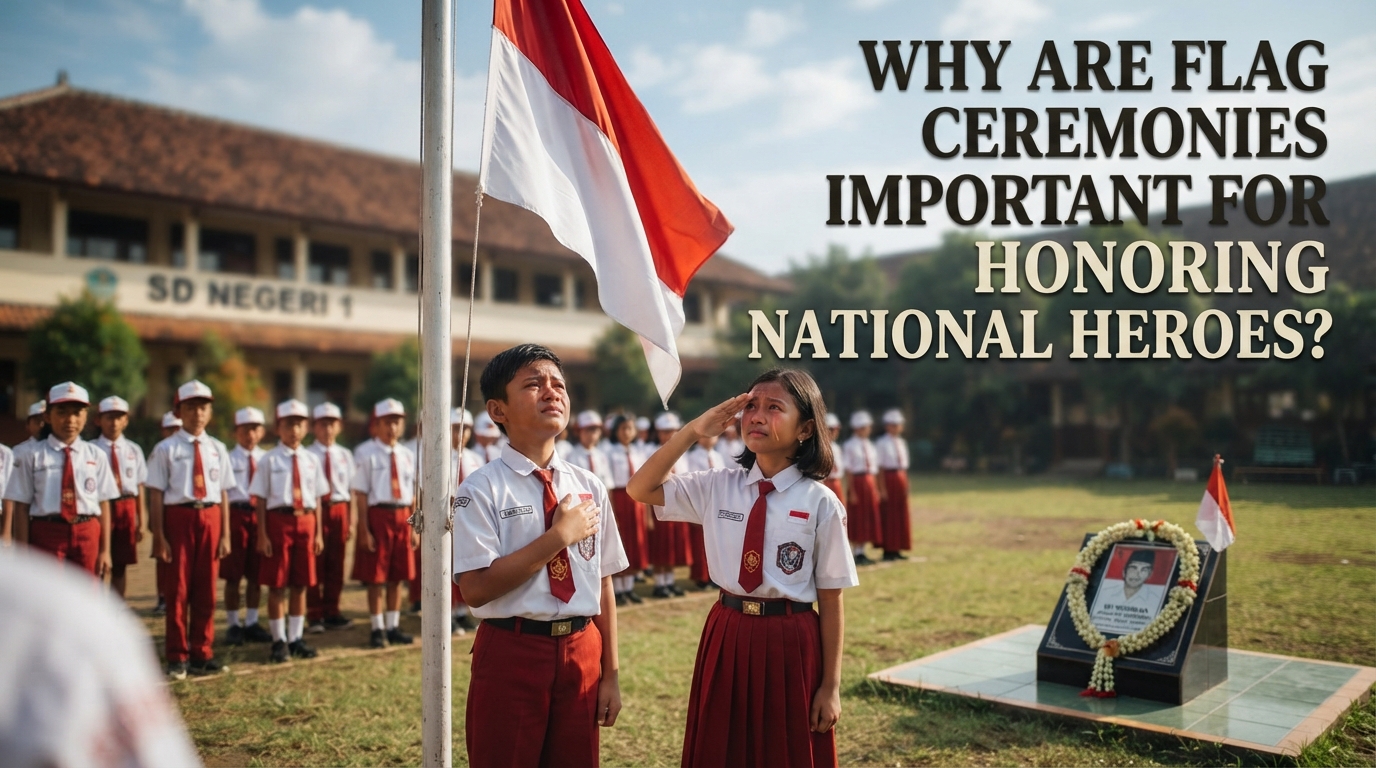
Flag ceremonies are important educational activities that help students remember and honor the sacrifices of national heroes. These ceremonies provide an opportunity to reflect on the struggles, courage, and dedication of the people who fought for their country's independence. Through activities such as raising the national flag, singing the national anthem, and listening to speeches, students can develop a deeper understanding of their nation's history and appreciate the freedom they enjoy today.
In Indonesia, flag ceremonies are commonly conducted every Monday and during national commemorative events, including Independence Day and Heroes' Day. These activities are not only formal school traditions but also meaningful ways to strengthen nationalism, patriotism, and respect for historical figures. By participating in flag ceremonies, younger generations can learn valuable lessons from national heroes and understand their responsibility in preserving the country's unity and independence.
REMEMBERING THE SACRIFICES OF NATIONAL HEROES
One of the main reasons flag ceremonies are important is that they remind people of the sacrifices made by national heroes. Throughout Indonesian history, many individuals fought against colonial rule to achieve independence and protect the nation's freedom. Their struggles involved courage, determination, and personal sacrifices, including risking their lives for the future of the country.
During flag ceremonies, students are encouraged to remember these historical struggles and appreciate the efforts of previous generations. Speeches delivered by ceremony supervisors often discuss important historical events and the values demonstrated by national heroes. Through these activities, students can understand that independence was achieved through struggle, unity, and sacrifice, rather than gained without effort.
DEVELOPING NATIONALISM AND PATRIOTISM
Flag ceremonies play an important role in developing nationalism and patriotism among students. When participants stand respectfully during the flag-raising process and sing the national anthem, they are reminded of their national identity and the importance of loving their country. These activities help strengthen emotional connections with the nation's history, culture, and independence.
Furthermore, students learn that patriotism does not only mean celebrating national holidays or respecting the national flag. It also involves positive actions, such as studying seriously, helping others, respecting differences, and contributing to society. By understanding these values, students can follow the positive examples of national heroes in their everyday lives.
TEACHING THE VALUES AND SPIRIT OF NATIONAL HEROES
National heroes demonstrated important qualities that remain relevant to younger generations. Their courage, honesty, determination, responsibility, and willingness to work for the common good can become valuable examples for students. Flag ceremonies provide opportunities for teachers to introduce these qualities through historical stories and motivational speeches.
Students can apply these lessons to their daily activities, especially when facing challenges in education and social life. For example, the determination of national heroes can inspire students to remain committed to their studies and never give up easily. Meanwhile, their spirit of unity can encourage students to respect classmates from different cultural and social backgrounds. These lessons help develop positive character and strong moral values.
STRENGTHENING NATIONAL UNITY AND TOGETHERNESS
National heroes often fought for a common goal despite differences in ethnicity, religion, language, and regional background. Their struggles demonstrate that unity is essential for protecting a country's independence and maintaining peace. Flag ceremonies reflect this spirit by bringing students and teachers together in one shared activity.
During the ceremony, participants from different classes and backgrounds stand together, respect the same national symbols, and sing the same national anthem. This experience helps students understand the importance of cooperation and mutual respect. It also reminds them that national unity is a shared responsibility that must be maintained by every generation.
INCREASING HISTORICAL AWARENESS AMONG STUDENTS
Flag ceremonies can help students become more interested in learning about national history. Through messages from teachers and ceremony supervisors, students may discover important events, historical struggles, and the contributions of national heroes. This knowledge allows them to understand how the country developed and why independence should be appreciated.
Schools can make these activities more meaningful by connecting flag ceremonies with history lessons, educational discussions, and national commemorations. Students can also learn about different heroes from various regions who contributed to Indonesia's independence and development. As a result, they gain broader historical knowledge and develop respect for the nation's historical heritage.
INSPIRING STUDENTS TO BECOME RESPONSIBLE FUTURE GENERATIONS
Honoring national heroes should encourage students to become responsible individuals who contribute positively to their communities. The struggles of previous generations can inspire young people to use their education, abilities, and opportunities for meaningful purposes. Students do not need to fight in a war to demonstrate love for their country.
They can honor national heroes through simple but meaningful actions, such as maintaining discipline, respecting teachers, helping others, protecting the environment, and following applicable laws. They can also contribute by developing knowledge, creativity, and skills that support national progress. These actions represent a modern expression of patriotism and social responsibility.
BUILDING RESPECT FOR NATIONAL SYMBOLS AND TRADITIONS
The national flag and national anthem are important symbols that represent a country's identity, independence, and unity. Flag ceremonies teach students to respect these symbols through proper behavior and participation in formal activities. Students learn to stand respectfully, follow instructions, and pay attention during important parts of the ceremony.
These traditions also help preserve national values across generations. When children understand the meaning behind flag ceremonies, they are more likely to appreciate their importance instead of treating them as ordinary weekly activities. Therefore, schools and families should encourage students to understand the historical and educational significance of national symbols and traditions.
CONCLUSION
Flag ceremonies are important for honoring national heroes because they remind students of historical struggles, sacrifices, and the determination that helped achieve independence. Through these activities, students can develop nationalism, patriotism, historical awareness, discipline, and respect for national unity.
More importantly, honoring national heroes should not stop at remembering their names and achievements. Students should apply the positive values demonstrated by these figures in their everyday lives. By maintaining unity, pursuing education, helping others, and contributing to society, younger generations can continue the spirit of national heroes and help build a better future for their country.
Recent Posts

How Does Technology Make Daily Evaluation... 21.11.2026/58 View

Apa Strategi Menghadapi Kesenjangan antara Kompetensi... 21.11.2026/60 View

Mengapa Inventaris Aset Penting bagi Kelancaran... 21.11.2026/56 View

When Should Musicians Join a Record... 21.11.2026/55 View

Daily Evaluation or Daily Planning Which... 21.11.2026/63 View
