

Why Are Government Subsidies Important for Low Income Families?
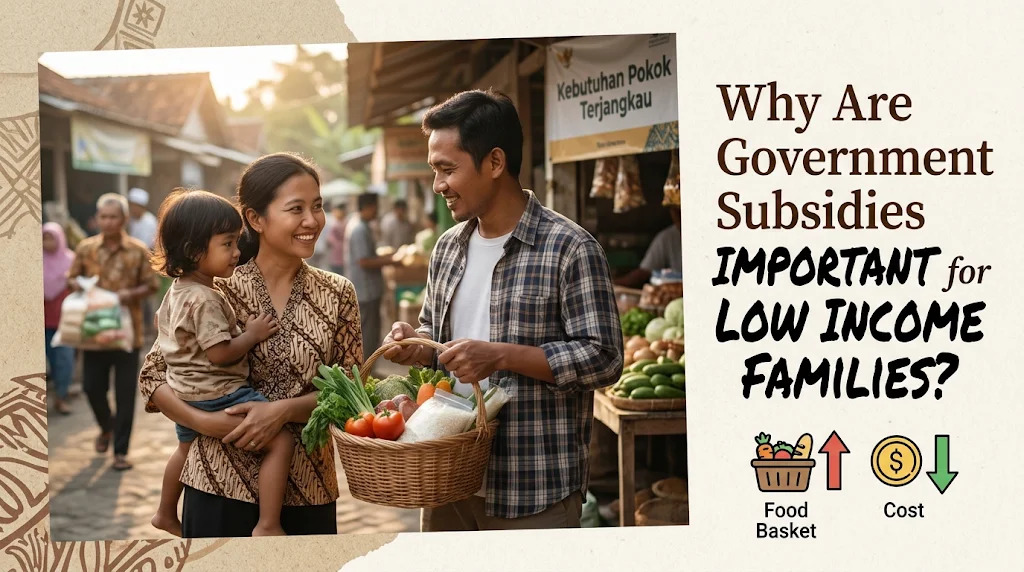
Government subsidies play an important role in helping low-income families manage their daily expenses and maintain a reasonable standard of living. Families with limited financial resources often face difficulties paying for essential needs such as food, electricity, transportation, education, and healthcare. When the prices of these necessities increase, their financial situation can become even more challenging. Through financial assistance and price support, governments can reduce some of these economic pressures. Understanding why government subsidies are important for low-income families helps explain how public assistance contributes to social protection, economic equality, and community welfare.
REDUCING DAILY LIVING EXPENSES
One of the main benefits of government subsidies is their ability to reduce the daily expenses of low-income families. These households often spend a large percentage of their income on essential necessities, leaving limited money for savings or unexpected expenses. When the government provides support for selected goods and services, families can manage their household budgets more effectively. This assistance can make a meaningful difference in their ability to meet everyday needs.
For example, electricity subsidies can help eligible households pay lower monthly electricity bills. Support for cooking fuel can also reduce the cost of preparing meals, while other assistance programs may help families access affordable basic necessities. These benefits allow households to use their available income for additional priorities, including education, transportation, and healthcare. Lower living expenses can therefore help reduce financial pressure and improve the stability of family finances.
HELPING FAMILIES ACCESS FOOD AND BASIC NECESSITIES
Access to sufficient food and essential products is important for maintaining household welfare. However, low-income families may struggle when food prices increase or their income becomes unstable. Government assistance can help reduce these difficulties by supporting access to certain essential goods and services. Such programs are particularly important during periods of inflation or economic uncertainty.
In Indonesia, the government implements various forms of assistance to support vulnerable households. Programs such as food assistance can help eligible families obtain basic necessities and reduce the amount they need to spend on daily consumption. Agricultural subsidies can also support food production by helping eligible farmers manage their production costs. Affordable access to basic necessities helps families maintain their daily needs and reduces the risk of economic hardship.
SUPPORTING EDUCATION AND CHILDREN'S FUTURES
Government subsidies and financial assistance can help children from low-income families obtain better educational opportunities. Education expenses may include school supplies, transportation, uniforms, learning materials, and other costs that can become difficult for financially disadvantaged households. Without adequate support, some students may struggle to continue their education or participate fully in learning activities. Government programs can help reduce these financial barriers.
In Indonesia, the Indonesia Smart Program (Program Indonesia Pintar or PIP) provides educational assistance to eligible students from disadvantaged backgrounds. KIP Kuliah also supports eligible students who want to pursue higher education but face financial limitations. These programs are forms of public assistance rather than necessarily direct price subsidies. Nevertheless, they demonstrate how government support can improve educational access. Investing in children's education helps develop knowledge, skills, and opportunities that may improve their future economic conditions.
IMPROVING ACCESS TO HEALTHCARE SERVICES
Healthcare is another essential area where government support can benefit low-income families. Medical consultations, medicines, hospital services, and other healthcare expenses may create significant financial difficulties for households with limited income. When people cannot afford necessary medical services, their health conditions may become harder to manage. Public healthcare assistance helps reduce these financial barriers and encourages people to seek appropriate treatment.
One example in Indonesia is the Health Insurance Contribution Assistance Program (PBI JKN), which provides health insurance contribution support for eligible individuals. Through this program, qualifying participants can access healthcare services according to applicable national health insurance regulations. Access to healthcare can also help families avoid some of the financial difficulties associated with medical expenses. Affordable healthcare access is therefore an important part of protecting household welfare and supporting a healthier society.
REDUCING POVERTY AND PROMOTING ECONOMIC EQUALITY
Government subsidies can contribute to poverty reduction by helping low-income families meet essential needs and manage financial challenges. When households receive appropriate assistance, they may have more opportunities to direct their limited resources toward education, productive activities, and other long-term priorities. This support can improve their ability to manage difficult economic conditions and reduce some of the disadvantages associated with poverty.
Subsidies and social assistance can also promote economic equality by improving access to services that might otherwise be difficult for disadvantaged communities to afford. However, their effectiveness depends on accurate beneficiary data, fair distribution, and regular evaluation. Poorly targeted assistance may create unnecessary government spending or fail to reach the families who need it most. Well-targeted government support can strengthen social protection while contributing to more inclusive economic development.
CONCLUSION
Government subsidies are important for low-income families because they help reduce daily expenses, improve access to basic necessities, support education, and make healthcare more affordable. These programs can also contribute to poverty reduction and greater economic equality by protecting households from financial difficulties. However, assistance must be distributed accurately and managed responsibly to ensure that the intended beneficiaries receive meaningful support. When implemented effectively, government subsidies and related social assistance programs can improve family welfare and create better opportunities for future generations.
Recent Posts

Bagaimana Sistem SKS pada Program Kuliah... 22.11.2026/27 View

How Does Technology Make Daily Evaluation... 21.11.2026/65 View

Apa Strategi Menghadapi Kesenjangan antara Kompetensi... 21.11.2026/65 View

Mengapa Inventaris Aset Penting bagi Kelancaran... 21.11.2026/62 View

When Should Musicians Join a Record... 21.11.2026/63 View
