

Why Are Out-Of-Town Business Trips Important For Company Performance?
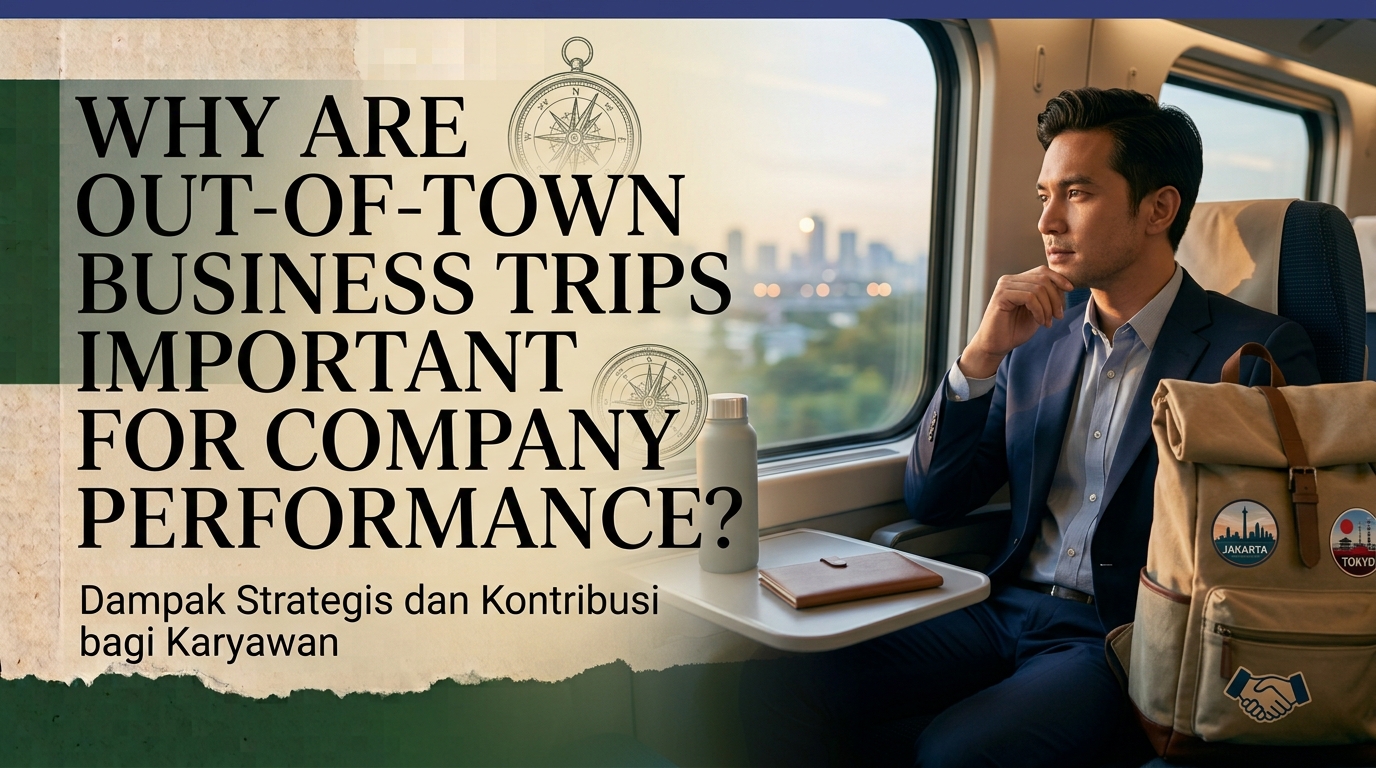
Out-of-town business trips play an important role in helping companies achieve their business goals and improve overall performance. Employees may travel to meet clients, negotiate agreements, visit business partners, attend professional events, or inspect operations in another location. These activities allow companies to build relationships and discover opportunities that may be difficult to develop through online communication alone. When planned carefully, business trips can support better decisions, stronger cooperation, and long-term business growth. Although business travel requires time and money, it can provide valuable benefits when the results justify the investment.
BUILD STRONGER BUSINESS RELATIONSHIPS
Direct meetings help companies develop stronger relationships with clients, suppliers, and business partners. Face-to-face communication allows people to discuss their needs, explain expectations, and respond to questions more naturally. Employees can also understand a partner's communication style and business priorities more clearly. These personal interactions may create greater trust than communication that takes place only through messages or emails. Strong business relationships can support cooperation, customer satisfaction, and long-term partnerships.
Visiting clients in person can also help companies maintain existing relationships and identify new opportunities. Employees can discuss concerns, collect feedback, and find solutions that suit both parties. For example, a sales team may visit a customer to understand product requirements before proposing a suitable offer. This approach can improve communication and reduce misunderstandings. Building trust through direct interaction can contribute to stronger business connections and better commercial outcomes.
CREATE NEW BUSINESS OPPORTUNITIES
Business trips give companies opportunities to explore markets and meet potential customers in different cities. Employees can learn about local demand, customer preferences, competitors, and industry developments. This information helps companies determine whether their products or services could succeed in a new market. Direct visits may also reveal business needs that are not obvious from online research. Exploring new markets can help companies identify opportunities for expansion and revenue growth.
During these visits, employees may meet distributors, suppliers, investors, or other potential partners. They can present company products, explain business advantages, and discuss possible cooperation. These conversations may lead to new contracts, sales opportunities, or strategic partnerships. However, companies should evaluate each opportunity carefully before making financial commitments. Well-planned business trips can turn market research and professional networking into practical business opportunities.
IMPROVE COMMUNICATION AND TEAM COLLABORATION
In-person business meetings can improve communication between employees, departments, and company branches. Some complex issues are easier to discuss directly because participants can ask questions, clarify details, and respond immediately. Employees can also observe reactions and identify misunderstandings before they become larger problems. This is especially useful when teams need to coordinate important projects or make decisions together. Effective communication helps teams work toward shared objectives with greater clarity.
Business trips can also strengthen cooperation between offices in different locations. Employees may visit another branch to exchange knowledge, discuss work procedures, or solve operational challenges. These visits help teams understand each other's responsibilities and working conditions. As a result, employees may find it easier to coordinate tasks after returning to their regular workplaces. Better collaboration can reduce delays, improve teamwork, and support consistent company performance.
SUPPORT EMPLOYEE SKILLS AND PROFESSIONAL DEVELOPMENT
Business trips allow employees to gain practical experience outside their usual work environment. They may learn new negotiation techniques, observe different business practices, or communicate with professionals from other industries. These experiences can improve their problem-solving, communication, and decision-making abilities. Employees may also become more confident when handling unfamiliar situations and professional responsibilities. Developing employee skills can improve both individual performance and the company's overall capabilities.
Attending conferences, exhibitions, training sessions, or industry meetings can provide additional learning opportunities. Employees can discover new technologies, understand market trends, and exchange ideas with experienced professionals. They can then share relevant knowledge with colleagues when they return. This helps the company benefit from the experience of employees who participate in external activities. Sharing knowledge gained during business travel helps turn individual learning into organizational improvement.
HELP COMPANIES MAKE BETTER BUSINESS DECISIONS
Business trips can provide firsthand information that supports more accurate decision-making. Employees who visit customers, suppliers, or company facilities can observe actual conditions rather than relying entirely on reports. They may identify operational problems, customer concerns, or opportunities to improve products and services. This information gives managers a clearer understanding of the situation before choosing a course of action. Direct observation can improve the quality of business decisions when combined with reliable data and analysis.
For example, a company planning to open a new branch may send employees to evaluate potential locations. They can examine accessibility, nearby competitors, customer activity, and local business conditions. The findings can help managers compare options and estimate possible risks. However, travel observations should be considered alongside financial reports, market research, and other relevant evidence. Combining firsthand information with data analysis helps companies make more informed and practical decisions.
STRENGTHEN CUSTOMER SATISFACTION
Meeting customers directly can help employees understand their expectations and concerns more clearly. Customers may appreciate having the opportunity to explain their needs and receive immediate answers. Employees can discuss product quality, service problems, delivery arrangements, or future requirements in greater detail. This direct interaction can help companies provide more appropriate solutions. Understanding customer needs is essential for improving service quality and maintaining customer satisfaction.
Business visits can also demonstrate that a company values its customers and takes their concerns seriously. Employees can follow up on complaints, review service performance, and discuss ways to improve cooperation. When customer feedback is handled professionally, companies may be able to strengthen loyalty and encourage repeat business. However, the visit should have a clear purpose and provide value to the customer. Meaningful customer interactions can support long-term loyalty and a positive business reputation.
IMPROVE OPERATIONAL EFFICIENCY
Visiting company branches, factories, warehouses, or supplier facilities can help employees understand how daily operations work. They may observe production processes, inventory management, service delivery, or communication between departments. Direct inspections can reveal problems that are difficult to identify through remote reports alone. Employees can then discuss possible improvements with the people responsible for each process. Identifying operational problems directly can help companies reduce inefficiencies and improve work quality.
Business trips can also support the sharing of effective practices between different locations. Employees may discover a faster process, a useful technology, or a better way to organize resources. These ideas can be evaluated and adapted to other parts of the company when appropriate. Any proposed changes should consider costs, employee needs, and operational risks. Learning from real working conditions can help companies improve productivity and use resources more effectively.
SUPPORT COMPANY GROWTH AND COMPETITIVENESS
Companies need to understand changing markets to remain competitive. Business trips can help employees monitor industry developments, meet potential partners, and learn about customer expectations in different regions. This knowledge may help the company improve its products, adjust its services, or develop a more suitable business strategy. Direct contact with industry professionals can also reveal emerging opportunities and challenges. Market awareness helps companies respond to changes and maintain their competitive position.
Business travel can contribute to growth when it supports clear priorities and produces useful results. For example, visiting a potential distributor may help a company evaluate whether regional expansion is practical. Meeting suppliers can also help businesses explore better purchasing arrangements or improve supply chain relationships. Nevertheless, travel alone does not guarantee success, and companies should compare its benefits with the time and money spent. Business trips are most valuable when they support measurable goals and a clear growth strategy.
MANAGE BUSINESS TRAVEL COSTS AND RESULTS
Although business trips can improve company performance, they also involve expenses such as transportation, accommodation, meals, and employee working time. Companies should therefore establish a clear purpose before approving each trip. They should estimate the budget, consider remote alternatives, and determine what results they expect. This ensures that travel decisions are based on business needs rather than convenience alone. Cost-effective travel planning helps companies balance potential benefits with financial responsibility.
After each trip, employees should prepare a report describing the activities completed, important findings, expenses, and recommended next steps. Managers can compare the results with the original objectives to determine whether the trip provided sufficient value. Useful performance measures may include new business leads, customer feedback, agreements reached, or operational improvements achieved. The appropriate measures depend on the purpose of the journey. Evaluating business travel results helps companies improve future planning and use their budgets more wisely.
CONCLUSION
Out-of-town business trips are important for company performance because they can strengthen business relationships, create new opportunities, improve teamwork, develop employee skills, and support better decisions. They also help companies understand customers, inspect operations, and respond to market changes. However, the benefits depend on careful planning, clear objectives, and effective follow-up. Companies should assess travel costs and measure the results to ensure that each trip contributes to their goals. When business travel is purposeful and well managed, it can become a valuable investment in company growth and long-term performance.
Recent Posts

Bagaimana Sistem SKS pada Program Kuliah... 22.11.2026/56 View

How Does Technology Make Daily Evaluation... 21.11.2026/86 View

Apa Strategi Menghadapi Kesenjangan antara Kompetensi... 21.11.2026/84 View

Mengapa Inventaris Aset Penting bagi Kelancaran... 21.11.2026/82 View

When Should Musicians Join a Record... 21.11.2026/86 View
