

Why Are Personality Tests Important for Students?
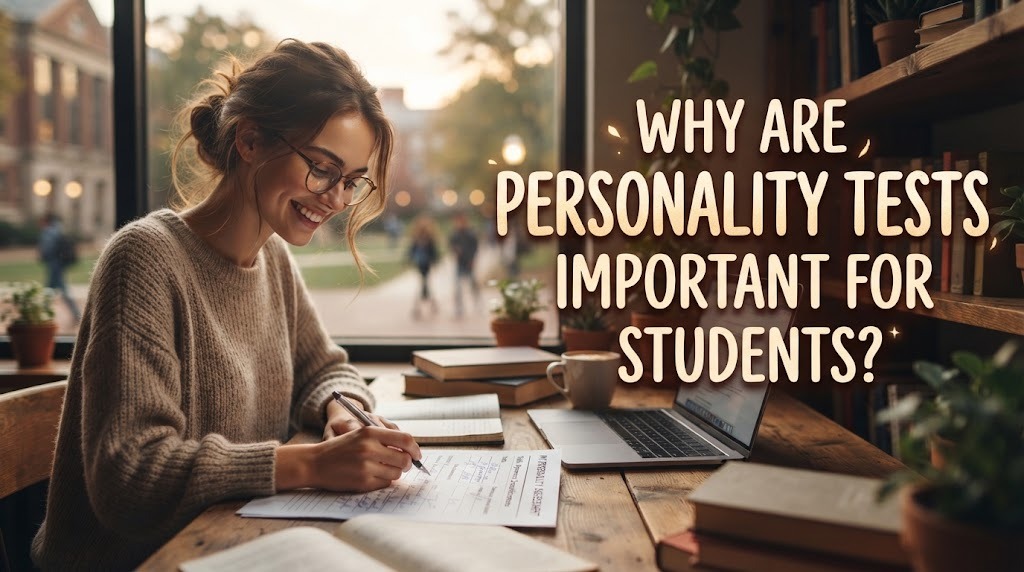
Students go through different experiences as they learn, build relationships, and prepare for their future. Understanding their own personality traits can help them recognize how they usually think, communicate, learn, and respond to different situations. A personality test can provide information about these patterns through structured questions and assessment methods. The results may help students reflect on their strengths, preferences, and areas they want to improve. However, personality tests should be used as a tool for reflection rather than as a fixed definition of who a student is.
HELPING STUDENTS UNDERSTAND THEMSELVES
One important benefit of personality tests is helping students develop self-awareness. Students can learn more about their common behaviors, communication styles, preferences, and reactions to certain situations. This information may help them recognize qualities that they already have but have not noticed before. It can also encourage them to think about habits that may need improvement. Understanding these patterns can make it easier for students to evaluate themselves realistically.
Personality test results can also become a starting point for personal reflection. Students can compare the results with their own experiences at school, home, or in social situations. Self-understanding does not mean accepting every test result as completely accurate. Instead, students can use the information to ask questions about themselves and consider whether the descriptions match their real experiences.
IDENTIFYING PERSONAL STRENGTHS
Students have different abilities, interests, and ways of approaching tasks. Personality assessments may help highlight certain tendencies that can support personal strengths. For example, a student may recognize that they enjoy organizing activities, communicating with others, solving problems, or working independently. Recognizing these tendencies can encourage students to develop skills that match their interests. It can also help them become more confident when participating in academic or extracurricular activities.
However, personality traits should not be confused with specific skills. A student who receives a certain personality result does not automatically have a particular ability. Skills develop through learning and practice, while personality assessments mainly describe patterns or tendencies. Students should therefore use test results together with their actual experiences and achievements.
SUPPORTING LEARNING HABITS
Personality can influence how students approach learning, although it is not the only factor that affects academic performance. Some students may prefer studying independently, while others may feel more comfortable discussing lessons with classmates. Understanding these preferences can help students experiment with different learning strategies. They can discover which study environments, routines, or activities help them stay focused. This can make the learning process more comfortable and organized.
Students should still remain open to different learning methods. A personality test should not make someone believe that they can only learn in one specific way. Learning flexibility is important because students will face different subjects, teachers, assignments, and learning environments. Trying different strategies can help students develop skills beyond their natural preferences.
IMPROVING COMMUNICATION AND TEAMWORK
School activities often require students to communicate and work with other people. Personality tests may help students recognize differences in how people express opinions, respond to situations, or approach group tasks. This understanding can support better communication because students may become more aware that others do not always think or behave in the same way. It can also encourage students to listen before responding. These habits are useful in group assignments, organizations, and other school activities.
Understanding personality differences can also support teamwork. A group may include students who prefer leading, organizing, researching, presenting, or supporting others. Recognizing these differences can help members divide responsibilities more effectively. However, personality results should not be used to permanently assign someone to a specific role. Teamwork should remain flexible and consider each person's skills, interests, and willingness to participate.
SUPPORTING CAREER EXPLORATION
Students eventually need to think about further education and possible career paths. Personality assessments can provide additional information when students explore their career interests and preferences. For example, students may reflect on whether they enjoy interacting with people, analyzing information, creating ideas, or organizing activities. This information can help them explore careers that they may want to learn more about. However, personality should only be one consideration when exploring a career.
Career decisions also depend on education, skills, interests, values, opportunities, and personal goals. No personality test can determine the perfect career for a student. Instead, students can combine assessment results with research, practical experience, conversations with professionals, and their own interests. This approach can provide a broader basis for making future education and career plans.
ENCOURAGING PERSONAL DEVELOPMENT
Personality tests can encourage students to think about areas they want to develop. A student may recognize a tendency to avoid speaking in groups, have difficulty organizing tasks, or feel uncomfortable with unfamiliar situations. These observations can become opportunities for personal development rather than reasons to limit themselves. Students can set small goals and practice new behaviors over time. Progress can then be evaluated through real experiences rather than relying only on test results.
Personal development is a continuous process. Students can change their habits, improve their communication, develop new skills, and become more adaptable through experience. Personality results are not permanent labels, and they should not prevent students from trying new things. Used appropriately, they can simply provide another perspective for understanding oneself and planning future growth.
CONCLUSION
Personality tests can be useful for students because they provide information that may support self-awareness, personal development, learning strategies, communication, teamwork, and career exploration. The results can help students reflect on their preferences and recognize areas they may want to develop. However, personality tests should not be treated as absolute descriptions or predictions of a student's future. Skills, interests, experiences, values, and goals are equally important when understanding a person. When used thoughtfully, personality assessments can become one useful tool for helping students understand themselves and plan their development.
Recent Posts

Bagaimana Sistem SKS pada Program Kuliah... 22.11.2026/12 View

How Does Technology Make Daily Evaluation... 21.11.2026/63 View

Apa Strategi Menghadapi Kesenjangan antara Kompetensi... 21.11.2026/64 View

Mengapa Inventaris Aset Penting bagi Kelancaran... 21.11.2026/61 View

When Should Musicians Join a Record... 21.11.2026/59 View
