

Why Are Radio Announcers Important in the Media Industry?
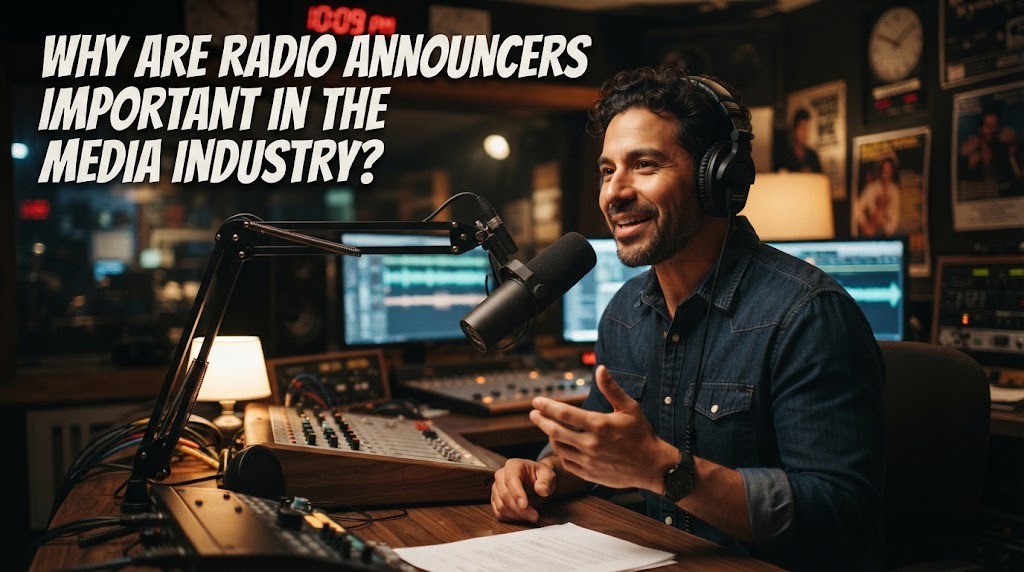
Radio announcers play an important role in the media industry because they connect broadcasting organizations with audiences through voice and sound. They do more than introduce songs or read scripts. A radio announcer can deliver news, provide useful information, host discussions, interview guests, entertain listeners, and create an engaging atmosphere throughout a program.
Although digital media and video platforms continue to grow, radio remains a useful source of information and entertainment. Radio announcers help maintain audience interest by presenting content in a clear, natural, and relatable way. Their communication skills also allow radio programs to develop a strong relationship with listeners.
CONNECTING MEDIA WITH AUDIENCES
One of the main roles of radio announcers is connecting media organizations with their audiences. Their voice becomes a familiar presence that listeners can follow during their daily activities. A skilled announcer can create a conversational atmosphere even though the audience and broadcaster may never meet directly. This personal connection can encourage listeners to remain engaged with a particular program.
Radio announcers also help understand what audiences want to hear. They may respond to listener messages, receive requests, conduct discussions, or invite people to participate in programs. This interaction makes radio feel more responsive and dynamic. As a result, announcers can become an important link between broadcasters and the communities they serve.
DELIVERING INFORMATION EFFECTIVELY
Radio announcers help deliver information quickly and clearly. Depending on the program, they may present news updates, traffic information, weather information, public announcements, educational content, or community information. Their ability to explain information in simple language can make important messages easier for listeners to understand.
Accuracy is particularly important when an announcer delivers factual information. They need to understand the material before presenting it and avoid spreading unverified claims. Clear pronunciation and appropriate pacing also help prevent misunderstandings. Through responsible broadcasting, announcers can contribute to an informed audience.
PROVIDING ENTERTAINMENT
Entertainment is another major function of radio announcers. Music programs, talk shows, comedy segments, interviews, quizzes, and interactive discussions can give listeners enjoyable experiences. The announcer helps connect these different elements and maintains the energy of the program.
A good announcer does not always need to be humorous or highly energetic. Instead, they need to understand the character of their program and audience. Some programs require an enthusiastic style, while others are better suited to a calm and informative approach. The ability to adapt communication style helps create a consistent listening experience.
SUPPORTING NEWS AND PUBLIC AWARENESS
Radio can be an effective medium for communicating information about events and issues that affect communities. Radio announcers can help explain important developments and direct listeners toward reliable information. During certain situations, radio can also provide practical public information when people need updates quickly.
When discussing sensitive subjects, announcers need to communicate responsibly. They should distinguish verified information from speculation and avoid presenting misleading statements as facts. Professional standards are essential because audiences may rely on broadcast information when making everyday decisions. Responsible announcers therefore contribute to the credibility of the media organization they represent.
CREATING A STRONG RADIO PROGRAM
Radio announcers help give programs their identity and personality. The same music or topic can feel different depending on how it is introduced and discussed. Announcers use their voices, storytelling techniques, questions, transitions, and conversations to create a recognizable program style.
They also help maintain the flow of a broadcast. An announcer may move from one segment to another, introduce guests, explain upcoming content, and fill unexpected gaps when necessary. This requires preparation as well as the ability to improvise. Their performance can therefore influence how professional and enjoyable a program feels.
BUILDING AUDIENCE TRUST
Trust is an important part of successful media communication. Listeners are more likely to continue following a broadcaster when they believe its presenters communicate accurately and professionally. Radio announcers contribute to this trust through consistent delivery, responsible language, and careful handling of information.
Trust can also develop through familiarity. Listeners may hear the same announcer regularly during their morning commute, workday, or evening routine. Over time, the announcer can become a familiar and reliable voice. This relationship can strengthen audience loyalty to both the program and the radio station.
SUPPORTING ADVERTISING AND BUSINESS
Radio announcers also have an important role in supporting the commercial side of broadcasting. They may introduce advertisements, promotional messages, sponsored segments, or special campaigns. The way these messages are delivered can influence whether they sound natural and understandable to listeners.
Announcers need to maintain credibility when presenting commercial content. Promotional messages should be delivered clearly while following the station's guidelines and applicable broadcasting standards. Their ability to communicate persuasively can provide value to advertisers while keeping the audience experience professional.
ADAPTING TO DIGITAL MEDIA
The role of radio announcers has expanded as broadcasting becomes increasingly digital. Many radio stations now distribute content through online streaming, websites, social media, and other digital platforms. Announcers may therefore communicate with audiences beyond traditional radio receivers.
Some announcers also develop content for podcasts, short-form videos, and social media. These platforms require different presentation techniques, but the fundamental communication skills remain useful. By adapting to new technologies, radio professionals can reach wider audiences and remain relevant in a changing media environment.
CREATING COMMUNITY CONNECTIONS
Radio has traditionally played an important role in connecting people within local communities. Announcers can discuss local events, community activities, cultural topics, education, employment, and other issues that are relevant to their listeners. This makes radio more than a source of entertainment because it can become a platform for community communication.
Local announcers often understand the interests and characteristics of their audience. They can introduce topics using language and examples that listeners recognize. This local connection can make programs feel more relevant and accessible. It also allows radio stations to maintain a strong presence within the communities they serve.
CONCLUSION
Radio announcers are important in the media industry because they connect audiences with information, entertainment, news, advertising, and community content. Their voice and communication style can shape the identity of a radio program while helping listeners understand and engage with its content.
Their responsibilities also extend beyond traditional broadcasting. As radio becomes increasingly connected with streaming and digital media, announcers need to develop technical, communication, creative, and audience engagement skills. With these abilities, radio announcers can continue to play an important role in modern media.
Recent Posts

Bagaimana Sistem SKS pada Program Kuliah... 22.11.2026/35 View

How Does Technology Make Daily Evaluation... 21.11.2026/69 View

Apa Strategi Menghadapi Kesenjangan antara Kompetensi... 21.11.2026/69 View

Mengapa Inventaris Aset Penting bagi Kelancaran... 21.11.2026/67 View

When Should Musicians Join a Record... 21.11.2026/68 View
