

Why Are Urban Rivers Important for Flood Management?
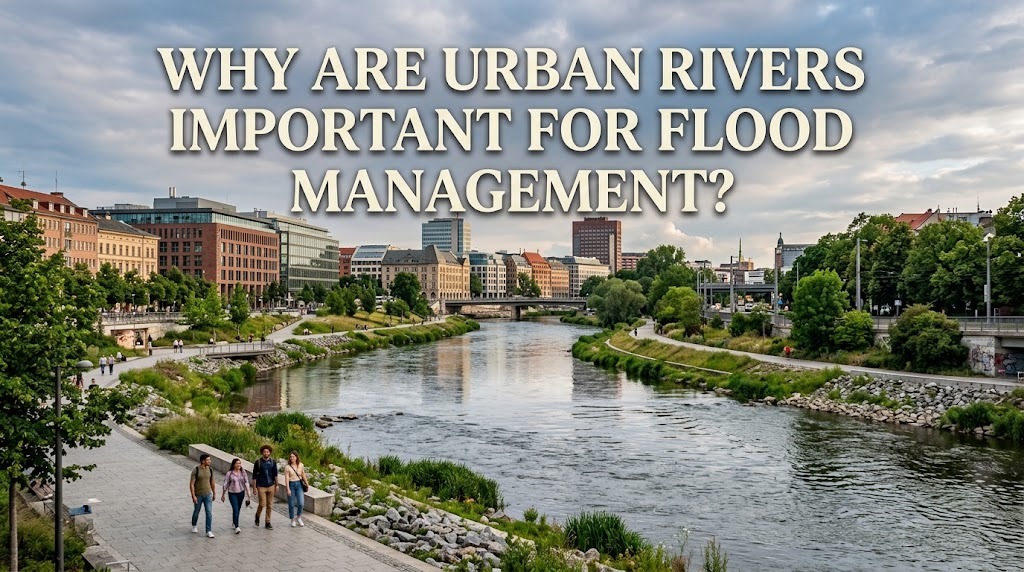
Urban rivers play an important role in managing rainwater and reducing flood risks in cities. They collect water from surrounding areas and transport it toward larger waterways, lakes, or the sea. When rivers function properly, they help regulate water movement and reduce the likelihood of uncontrolled water accumulation in urban neighborhoods. However, pollution, excessive development, and inadequate river maintenance can reduce their ability to manage floodwater. Understanding the importance of urban rivers helps governments and communities develop more effective flood prevention strategies.
HOW URBAN RIVERS CARRY EXCESS RAINWATER
One of the main functions of urban rivers is to transport excess rainwater away from developed areas. During rainfall, water flows from rooftops, roads, gardens, and surrounding land into drainage channels and rivers. These waterways provide a route for moving collected water through the landscape and toward downstream areas.
When rivers have sufficient capacity, they can help prevent rainwater from accumulating in nearby streets and neighborhoods. However, intense rainfall may cause river levels to rise beyond the capacity of the channel. Effective flood management therefore requires regular monitoring, suitable river design, and coordination between drainage systems and natural waterways.
PROVIDING NATURAL WATER STORAGE
Urban rivers and their surrounding floodplains can temporarily accommodate excess water during heavy rainfall. Floodplains are relatively flat areas beside rivers that may become inundated when water levels rise. When these areas remain open and connected to the river, they can provide space for floodwater to spread rather than forcing all of it through a narrow channel.
This temporary storage can reduce peak water levels in some locations and slow the movement of floodwater downstream. However, when buildings, roads, or other structures occupy floodplains, the available storage area decreases. Protecting these spaces is an important part of flood management because it preserves the river's natural ability to accommodate changing water levels.
REDUCING PRESSURE ON URBAN DRAINAGE SYSTEMS
Urban drainage networks collect rainwater from streets, buildings, and public spaces. Rivers often serve as the final destination for water discharged through these networks. If rivers can receive and transport the water safely, they support the overall performance of the city's drainage infrastructure.
Problems arise when river levels become too high or the river cannot carry additional water efficiently. Under these conditions, drainage outlets may discharge more slowly, allowing water to back up into surrounding streets. Governments need to coordinate river management with drainage improvements, pumping facilities, and water storage systems to reduce the likelihood of flooding.
SUPPORTING NATURAL WATER FLOW
Healthy rivers depend on connected waterways, suitable channel conditions, and adequate space for water movement. Riverbanks, channels, and surrounding landscapes influence how quickly water travels through an urban area. When waterways are obstructed by waste, sediment, or poorly planned structures, their capacity to carry water may be reduced.
Maintaining river channels can help preserve water flow, but management must be based on local conditions. Simply deepening or straightening a river does not always reduce flooding and may increase water speed or transfer flood risks downstream. River management should therefore consider the entire watershed, including upstream rainfall, land use, channel conditions, and downstream communities.
PREVENTING RIVER POLLUTION AND BLOCKAGES
Waste and pollution can interfere with the functioning of urban rivers. Plastic packaging, household rubbish, vegetation debris, and other materials may accumulate at bridges, culverts, or narrow sections of waterways. These obstructions can restrict water movement and contribute to local flooding during periods of heavy rainfall.
Communities can help by disposing of waste properly and reporting serious blockages to local authorities. Governments should maintain reliable waste collection services, inspect waterways, and remove obstructions when necessary. Regular monitoring is especially important before and during the rainy season, when heavy runoff can carry debris into rivers.
PROTECTING RIVERBANKS AND VEGETATION
Vegetation along riverbanks helps stabilize soil and reduce erosion. Plant roots hold soil in place, while grasses, shrubs, and trees can slow surface runoff before it reaches the river. These natural features may also trap sediment and provide habitats for wildlife.
When riverbank vegetation is removed for construction or other activities, erosion can increase and sediment may accumulate in the river channel. Over time, sediment deposits can reduce the space available for water to flow. Protecting suitable riverbank vegetation and restoring degraded areas can support both environmental health and flood management.
RESTORING URBAN RIVERS FOR FLOOD CONTROL
River restoration involves improving the natural functions of waterways and their surrounding landscapes. Depending on local conditions, projects may include restoring riverbank vegetation, reconnecting floodplains, improving water quality, and removing inappropriate structures that obstruct flow. These measures can help rivers accommodate water more naturally while improving the surrounding environment.
Restoration should be supported by hydrological assessments and careful planning. Some urban rivers are heavily modified or bordered by dense development, which can limit available space. In these locations, restoration may need to be combined with retention basins, drainage improvements, and other engineered flood-control measures.
USING TECHNOLOGY TO MONITOR URBAN RIVERS
Technology helps authorities monitor river conditions and identify potential flood hazards. Water-level sensors can measure changes in river height, while rainfall gauges and weather forecasts provide information about incoming storms. Geographic information systems and flood models can combine these data to estimate which areas may be at risk.
Monitoring systems can support early warnings when river levels rise rapidly or approach established thresholds. This gives authorities more time to prepare emergency services and inform nearby residents. However, reliable predictions require accurate data, functioning equipment, regular maintenance, and clear procedures for communicating warnings.
COORDINATING RIVER MANAGEMENT ACROSS WATERSHEDS
Urban rivers are connected to larger drainage basins that may extend beyond city boundaries. Rain falling in upstream forests, agricultural areas, and neighboring communities can eventually flow into an urban river. As a result, flooding within a city may be influenced by land-use changes and rainfall conditions far from the affected neighborhood.
Effective management requires cooperation among local governments, regional authorities, water management agencies, and nearby communities. Coordinated plans can protect upstream vegetation, manage development in floodplains, maintain waterways, and improve flood forecasting. Looking at the entire watershed helps authorities understand how actions in one area may affect flood risks elsewhere.
CONCLUSION
Urban rivers are important for flood management because they transport excess rainwater, provide potential storage space, and connect city drainage systems with larger waterways. Their effectiveness depends on adequate channel capacity, healthy riverbanks, limited pollution, and careful management of surrounding land. Protecting floodplains, restoring natural river functions, monitoring water levels, and coordinating watershed planning can help reduce flood risks. By combining these approaches with well-designed infrastructure, cities can manage water more effectively and build safer urban environments.
Recent Posts

Bagaimana Sistem SKS pada Program Kuliah... 22.11.2026/54 View

How Does Technology Make Daily Evaluation... 21.11.2026/83 View

Apa Strategi Menghadapi Kesenjangan antara Kompetensi... 21.11.2026/81 View

Mengapa Inventaris Aset Penting bagi Kelancaran... 21.11.2026/78 View

When Should Musicians Join a Record... 21.11.2026/82 View
