

Why Are Village Tourism Awareness Groups Important for Community Based Tourism?
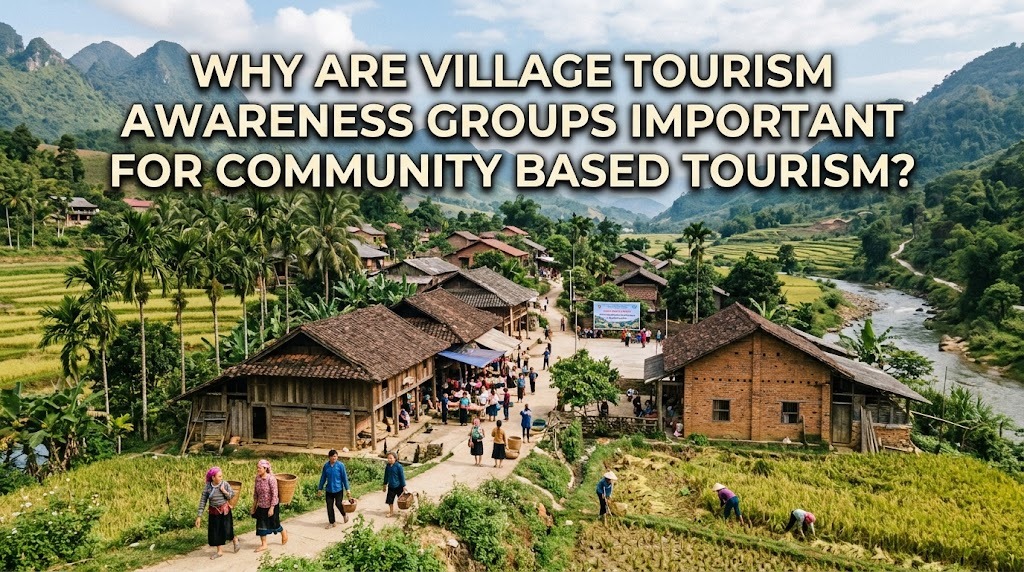
Community-based tourism has become an important approach to developing local destinations while ensuring that residents actively participate in tourism activities. One organization that supports this approach is the Village Tourism Awareness Group, commonly known as Pokdarwis in Indonesia. These groups encourage local communities to recognize their tourism potential, manage attractions, and create positive experiences for visitors. Their involvement helps ensure that tourism development does not only benefit business owners but also provides opportunities for the wider community. Understanding their importance is essential for creating tourism destinations that are inclusive, sustainable, and beneficial to local residents.
UNDERSTANDING COMMUNITY-BASED TOURISM
Community-based tourism is a tourism development approach that places local communities at the center of planning, management, and decision-making. Residents are encouraged to participate directly in providing tourism services, maintaining attractions, and protecting local resources. Unlike tourism models that depend heavily on outside investors, this approach gives communities greater opportunities to influence how tourism develops in their area. It also helps ensure that local needs and cultural values remain important considerations.
In this system, tourism is not simply an activity for attracting visitors but also a way to improve community welfare. Residents can introduce their traditions, local knowledge, natural resources, and everyday activities as meaningful tourism experiences. Visitors, meanwhile, have opportunities to understand local lifestyles and interact with the people who live there. Through this approach, tourism can create a stronger relationship between visitors and host communities.
ENCOURAGING ACTIVE COMMUNITY PARTICIPATION
Village tourism awareness groups are important because they encourage residents to become actively involved in developing local destinations. Members can organize community meetings, tourism awareness campaigns, environmental activities, and training programs. These activities help residents understand that tourism development is a shared responsibility rather than a task that belongs only to the government or a particular business group. Active participation also creates opportunities for people with different skills and backgrounds to contribute.
Community involvement can take many forms, including managing homestays, preparing traditional food, producing souvenirs, providing transportation, and becoming local tour guides. Residents can also participate in maintaining public facilities and protecting natural attractions. When more people become involved, tourism development can receive stronger community support. Community participation also encourages a sense of ownership, making residents more willing to maintain and improve their tourism destinations.
CREATING ECONOMIC OPPORTUNITIES FOR LOCAL RESIDENTS
One of the most significant benefits of village tourism awareness groups is their contribution to local economic development. Tourism activities can create opportunities for residents to earn additional income through various small businesses and services. For example, local families can operate homestays, restaurants, food stalls, souvenir shops, and transportation services. These businesses can serve visitors while introducing local products and traditions.
Tourism development can also create employment opportunities for young people and other community members. Residents may work as guides, event organizers, cultural performers, photographers, or destination managers. As visitor numbers increase, demand for local products and services may also grow. When managed fairly, local economic empowerment helps distribute tourism benefits across different groups instead of concentrating income among a limited number of people.
PRESERVING LOCAL CULTURE AND NATURAL RESOURCES
Community-based tourism is closely connected to cultural preservation because local traditions are often among the most valuable attractions of a village. Village tourism awareness groups can encourage residents to introduce traditional dances, music, ceremonies, handicrafts, architecture, and regional cuisine to visitors. These activities help introduce local identity to wider audiences while creating opportunities for younger generations to learn about their heritage. Cultural activities should always be presented respectfully and with the involvement of the people who maintain those traditions.
Natural resource protection is equally important because environmental quality influences the long-term attractiveness of a destination. Groups can organize clean-up activities, promote proper waste management, protect water sources, and educate visitors about responsible behavior. They can also encourage development activities that avoid damaging forests, rivers, agricultural areas, and other natural environments. Through cultural preservation and environmental protection, tourism can support the conservation of resources that are important to the community.
STRENGTHENING COOPERATION AND COMMUNITY INDEPENDENCE
Village tourism awareness groups help connect residents with village governments, regional tourism offices, educational institutions, and private businesses. This cooperation is important because tourism development often requires resources and expertise that local communities may not have independently. Government institutions can provide policy guidance and infrastructure support, while educational institutions may offer training and assistance with tourism planning. Private businesses can contribute through partnerships, marketing activities, and business development opportunities.
At the community level, cooperation also helps build stronger relationships between residents. People can share responsibilities, exchange ideas, and work together to solve problems related to tourism management. Over time, these activities can improve organizational skills and encourage communities to make decisions independently. Community independence becomes an important foundation for managing tourism destinations without depending entirely on external assistance.
SUPPORTING SUSTAINABLE AND RESPONSIBLE TOURISM DEVELOPMENT
Village tourism awareness groups play an important role in ensuring that tourism development provides long-term benefits rather than focusing only on short-term income. They can help establish guidelines for visitor behavior, manage tourism activities according to environmental conditions, and encourage businesses to use local resources responsibly. These efforts are necessary to prevent problems such as excessive waste, environmental damage, cultural exploitation, and conflicts between residents and visitors.
They can also monitor tourism activities and evaluate their effects on the community. For example, groups can review visitor satisfaction, local business development, community participation, and the condition of natural attractions. Feedback from residents and visitors can help identify improvements that need to be made. Through sustainable tourism management, villages can balance economic opportunities, social interests, cultural values, and environmental protection.
CONCLUSION
Village tourism awareness groups are important for community-based tourism because they encourage residents to participate directly in developing and managing local destinations. Their activities support economic opportunities, cultural preservation, environmental protection, cooperation, and community independence. They also help ensure that tourism development reflects local needs and provides benefits for a wider range of residents. Ultimately, active community involvement and sustainable management are essential for creating village tourism destinations that remain attractive and beneficial for future generations.
Recent Posts

Bagaimana Sistem SKS pada Program Kuliah... 22.11.2026/37 View

How Does Technology Make Daily Evaluation... 21.11.2026/70 View

Apa Strategi Menghadapi Kesenjangan antara Kompetensi... 21.11.2026/73 View

Mengapa Inventaris Aset Penting bagi Kelancaran... 21.11.2026/68 View

When Should Musicians Join a Record... 21.11.2026/71 View
