

Why Are Waste Managers Important for Community Health?
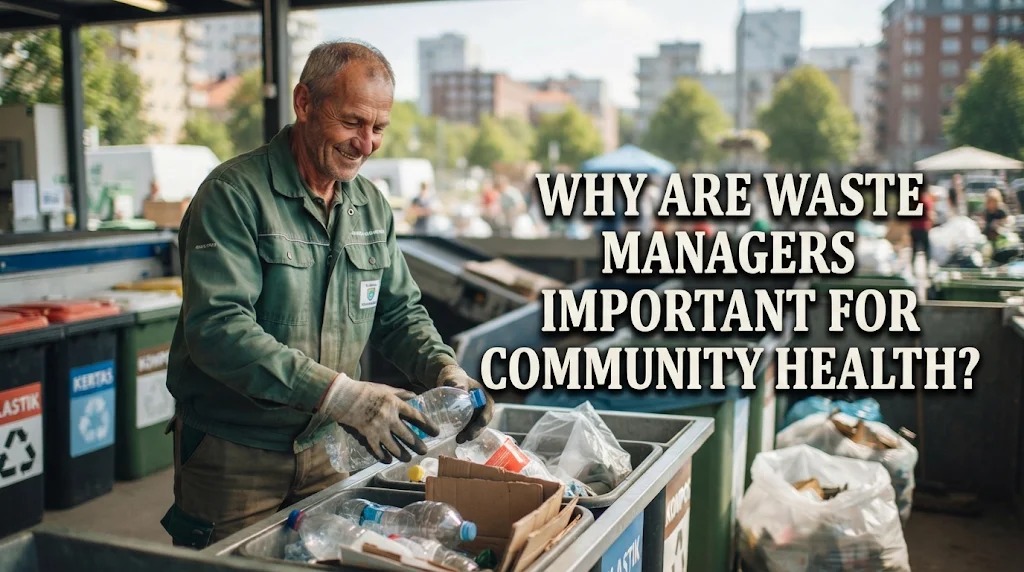
Waste management plays an essential role in maintaining a clean environment and protecting public health. Every day, households, businesses, hospitals, and industries produce different types of waste that must be handled properly. If waste is not managed correctly, it can cause pollution, spread diseases, and create unhealthy living conditions. Waste managers help prevent these problems by collecting, sorting, processing, and disposing of waste safely. Their work supports community health by reducing environmental risks and creating cleaner, safer places for people to live.
PREVENTING THE SPREAD OF DISEASES
One of the most important responsibilities of waste managers is preventing the spread of diseases caused by unmanaged waste. Garbage that accumulates in residential areas can attract rats, flies, mosquitoes, and other pests that may carry harmful microorganisms. These animals can spread diseases to humans through contaminated food, water, or direct contact. By collecting and removing waste regularly, waste managers help reduce places where disease-carrying pests can breed and survive.
Proper waste handling also prevents people from coming into contact with potentially infectious materials. Waste from hospitals, clinics, and other healthcare facilities may contain contaminated objects that require special treatment. Waste managers must separate and handle these materials according to safety procedures. These efforts help protect workers, residents, and the wider community from preventable health risks.
MAINTAINING CLEAN AIR AND WATER QUALITY
Poor waste management can negatively affect the quality of air and water in residential areas. Open burning of garbage releases smoke and harmful particles that can irritate the respiratory system and contribute to air pollution. Meanwhile, waste dumped into rivers, drains, or other water sources can introduce harmful substances and microorganisms. These conditions may increase health risks for people who depend on the affected environment.
Waste managers help prevent these problems by ensuring that waste is collected, transported, and processed properly. They also support appropriate wastewater treatment to reduce pollutants before treated water is released into the environment. Regular monitoring and proper disposal practices can reduce contamination risks. As a result, communities have better opportunities to maintain clean air and safer water sources.
REDUCING EXPOSURE TO HAZARDOUS WASTE
Some types of waste contain dangerous substances that can harm human health if they are not handled correctly. Examples include chemical products, used batteries, medical waste, pesticides, and industrial materials containing toxic substances. Exposure to these materials may cause skin irritation, poisoning, respiratory problems, or other serious health effects. Therefore, hazardous waste requires special attention throughout the collection, storage, transportation, and treatment processes.
Waste managers are responsible for identifying and separating hazardous materials from ordinary household waste. They must use suitable protective equipment and follow established safety procedures when handling these substances. Hazardous waste should also be delivered to facilities that are qualified to manage and treat it. Proper handling reduces the possibility of harmful substances reaching homes, public spaces, and natural environments.
SUPPORTING RECYCLING AND A CLEANER ENVIRONMENT
Waste managers also contribute to community health by supporting recycling programs and reducing the amount of waste sent to disposal sites. Materials such as paper, plastic, glass, and metal can often be collected and processed into new products. Organic waste, including food scraps and leaves, can also be converted into compost when properly managed. These activities help reduce waste accumulation and make better use of available resources.
A cleaner environment can improve community comfort and reduce problems associated with unmanaged garbage. Waste managers work with recycling facilities, local organizations, and residents to improve waste separation and collection systems. They may also support educational programs that encourage people to reduce waste and reuse suitable materials. Through these activities, communities can develop more responsible habits and maintain healthier surroundings.
EDUCATING THE COMMUNITY ABOUT PROPER WASTE MANAGEMENT
Community awareness is an important part of successful waste management. Waste managers can help educate residents about proper waste disposal, waste separation, recycling, and the dangers of littering. This information can be shared through public campaigns, school activities, community meetings, and environmental programs. Education helps people understand that waste management is not only the responsibility of workers but also a shared responsibility.
In addition, waste managers can encourage households to reduce single-use products and separate recyclable materials from general waste. They can also explain how improper disposal may affect public health and environmental quality. When residents understand the benefits of responsible waste management, they are more likely to participate in community cleanliness programs. Cooperation between waste managers and residents can create healthier habits that continue over time.
CONCLUSION
Waste managers are important for community health because they help prevent diseases, protect air and water quality, reduce exposure to hazardous materials, and maintain clean surroundings. Their responsibilities also include supporting recycling programs and educating residents about proper waste disposal. However, effective waste management requires cooperation between workers, local authorities, businesses, and the community. By applying safe waste management practices and building public awareness, communities can reduce health risks and create cleaner, healthier, and more sustainable environments.
Recent Posts

How Does Technology Make Daily Evaluation... 21.11.2026/55 View

Apa Strategi Menghadapi Kesenjangan antara Kompetensi... 21.11.2026/57 View

Mengapa Inventaris Aset Penting bagi Kelancaran... 21.11.2026/51 View

When Should Musicians Join a Record... 21.11.2026/52 View

Daily Evaluation or Daily Planning Which... 21.11.2026/59 View
