

Why Can A Reading Environment Increase Reading Interest?
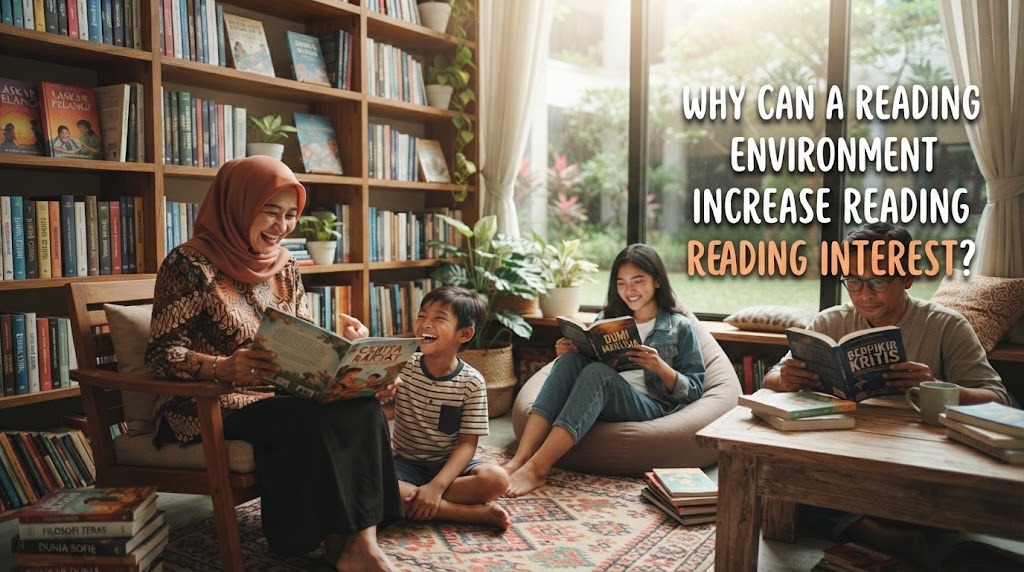
A reading environment can strongly influence how people feel about books and reading activities. A space that is comfortable, attractive, and easy to access can make reading feel more enjoyable. In contrast, a noisy or uncomfortable environment may make it difficult for readers to concentrate. For children and students, the environment can be especially important because their reading habits are still developing. Creating a positive reading environment can therefore encourage people to spend more time reading.
WHAT IS A READING ENVIRONMENT?
A reading environment refers to the physical and social conditions that surround a person while reading. It can include the location, lighting, seating, noise level, availability of books, and overall atmosphere. It can also include the attitudes of parents, teachers, friends, and other people toward reading. A supportive environment makes reading materials easier to find and encourages people to interact with them. Therefore, a reading environment is more than simply having a room filled with books.
Different environments can support different reading needs. A quiet library may be useful for focused study, while a comfortable reading corner may be better for casual reading. Easy access to suitable reading materials is also an important part of the environment. When books are visible and available, people have more opportunities to pick them up and read. These small environmental factors can gradually influence reading behavior.
HOW DOES COMFORT AFFECT READING INTEREST?
Comfort can make reading a more pleasant experience. Suitable lighting can reduce visual discomfort, while comfortable seating can help readers stay focused for longer periods. A space with excessive noise or frequent interruptions can make concentration more difficult. When readers feel physically comfortable, they can give more attention to the content they are reading. This can make reading feel less tiring and more enjoyable.
Comfort also influences how people emotionally associate with reading. If children regularly read in a calm and pleasant place, they may begin to connect books with positive experiences. This association can encourage them to return to reading voluntarily. The environment does not need to be expensive or highly designed to provide these benefits. Even a simple, clean, and quiet corner can become an effective reading space.
WHY IS ACCESS TO BOOKS IMPORTANT?
Easy access to books can increase opportunities for reading. When books are placed in locations that people frequently use, they are more likely to notice and explore them. Schools can place books in classrooms, libraries, reading corners, or other suitable areas. At home, parents can keep children's books where they can easily see and reach them. Greater access reduces the effort required to find something interesting to read.
The variety of available materials also matters. Readers have different interests, so a collection containing stories, science, history, technology, magazines, and other subjects can attract more people. Choice encourages exploration because readers can select materials that match their interests. If readers consistently find something relevant or enjoyable, they may become more motivated to read. Over time, easy access and variety can support stronger reading habits.
HOW DOES A QUIET SPACE SUPPORT CONCENTRATION?
A quiet reading space can help readers concentrate on the text. Reading requires attention to words, sentences, and ideas, so frequent noise and interruptions can make comprehension more difficult. A calm environment gives readers fewer distractions and more opportunities to focus on the material. This can be particularly helpful for students who are completing academic reading tasks. Better concentration can make reading feel more manageable.
However, complete silence is not necessary for everyone. Some people can read comfortably with low background sounds, while others need a very quiet environment. The important factor is providing a space where distractions are limited and the reader feels comfortable. Schools and families can offer different types of reading spaces based on individual preferences. Giving readers some control over their environment can further support their engagement.
CAN AN ATTRACTIVE SPACE INCREASE MOTIVATION?
An attractive reading space can capture attention and make books feel more inviting. Colorful displays, organized shelves, interesting book covers, and simple decorations can create visual interest without distracting readers. Schools can display student book recommendations or create themed reading areas to introduce new materials. At home, children can help decorate or organize their own reading corner. Participation can give them a stronger connection to the space.
The purpose of an attractive environment is not simply decoration. It should help create a feeling that reading is enjoyable and valued. A well-organized space can also make it easier for readers to discover books they have not seen before. When the environment regularly presents new possibilities, curiosity can increase. This may encourage readers to spend more time exploring different materials.
HOW DOES A POSITIVE SOCIAL ENVIRONMENT HELP?
A reading environment also includes the people and attitudes surrounding the reader. Parents and teachers can encourage reading by showing interest in what children are reading. Discussing books, asking questions, and sharing recommendations can make reading a more social experience. Friends can also influence reading habits by recommending interesting books or participating in reading activities together. Positive social support can make readers feel that their interests are appreciated.
Adults can become effective reading role models by reading regularly themselves. When children observe parents or teachers enjoying books, they may become curious and more willing to try reading. Schools can also organize book discussions, storytelling sessions, and reading clubs to build a supportive community. These activities can reduce the feeling that reading is only an individual or academic responsibility. A positive social atmosphere can therefore strengthen motivation.
HOW CAN SCHOOLS CREATE A BETTER READING ENVIRONMENT?
Schools can create better reading environments by improving both physical spaces and reading opportunities. Libraries should provide accessible, relevant, and diverse reading materials that match students' interests and abilities. Classrooms can also include small reading corners where students can read during free periods. Schools can make reading spaces comfortable by providing suitable lighting, seating, and organized shelves. These improvements can encourage students to interact with books more frequently.
Schools can also create programs that make reading part of everyday school culture. Regular reading periods, book discussions, reading challenges, and student recommendations can encourage participation. Student involvement is important because students can provide useful ideas about the books and spaces they prefer. Teachers and librarians can use this feedback to improve reading activities. A school that consistently supports reading can make it a normal and enjoyable part of student life.
HOW CAN FAMILIES CREATE A READING ENVIRONMENT AT HOME?
Families can create a reading environment without needing a large library or special room. Parents can prepare a small and comfortable reading corner with a few books that match their children's interests. Books can be placed within easy reach so children can choose them independently. Parents can also establish regular family reading time, such as a few minutes before bedtime. These simple routines can help children become familiar with reading as a daily activity.
The attitude of family members is equally important. Parents should encourage curiosity and avoid making every reading session feel like a test. Positive encouragement can help children associate reading with enjoyment rather than pressure. Parents can ask children about their favorite stories or interesting facts without demanding formal answers. When home becomes a supportive place for reading, children may be more willing to develop lasting reading habits.
CONCLUSION
A positive reading environment can increase reading interest by making reading comfortable, accessible, focused, and enjoyable. Good lighting, comfortable spaces, suitable books, limited distractions, and attractive displays can encourage people to spend more time reading. Social support from parents, teachers, and friends can strengthen this effect by making reading feel valued and meaningful. Schools and families do not need expensive facilities to create an effective reading environment. Small and consistent improvements can help develop stronger reading habits and encourage lifelong interest in learning.
Recent Posts

Bagaimana Sistem SKS pada Program Kuliah... 22.11.2026/35 View

How Does Technology Make Daily Evaluation... 21.11.2026/69 View

Apa Strategi Menghadapi Kesenjangan antara Kompetensi... 21.11.2026/70 View

Mengapa Inventaris Aset Penting bagi Kelancaran... 21.11.2026/67 View

When Should Musicians Join a Record... 21.11.2026/69 View
