

Why Can Digital Books Attract Students’ Reading Interest?
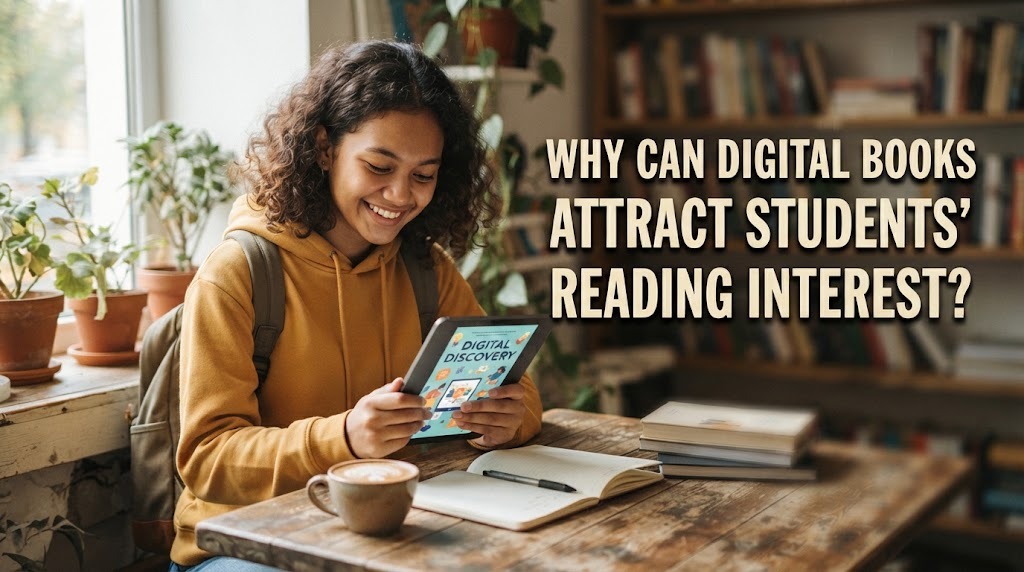
Digital technology has changed the way students access information and learning materials. One of the changes that can influence reading habits is the growing use of digital books. Unlike printed books, digital books can be accessed through smartphones, tablets, laptops, and other electronic devices. This makes reading more flexible and convenient for students with different learning needs. As a result, digital books can become an effective way to attract students’ reading interest.
PROVIDING EASY ACCESS TO BOOKS
One major reason digital books can attract students is their easy accessibility. Students can store many books on a single device without carrying heavy physical books. They can also access their reading materials at home, at school, or while traveling, as long as the files or platform are available. This convenience makes it easier for students to read whenever they have free time. Easy access can encourage students to read more frequently.
Digital books can also help students find materials quickly. Many digital platforms allow users to search for specific titles, topics, or keywords within a large collection. Students can choose materials according to their interests and learning needs without spending too much time searching. This can make the reading process more practical and efficient. Greater access to suitable materials can gradually support stronger reading habits.
OFFERING INTERACTIVE READING FEATURES
Digital books can provide features that are not always available in traditional printed books. Depending on the platform, students may be able to highlight important information, add notes, search for unfamiliar words, or use built-in dictionaries. Some digital learning materials can also include audio, images, videos, and interactive activities. These features can make reading more engaging for students. A more interactive experience may encourage students to spend more time exploring the content.
Interactive features can also support students who have different learning preferences. For example, a student who has difficulty understanding a new word can use a digital dictionary immediately. Another student may benefit from visual explanations included in an educational digital book. These tools can reduce difficulties during reading and improve understanding. When students can interact with the material, reading can become a more active learning experience.
MAKING READING MORE CONVENIENT
Digital books offer flexibility because students can adjust several reading settings. They may change the font size, screen brightness, or page display depending on the device and application. These options can make reading more comfortable, especially for students who prefer specific text settings. Students can also continue reading without needing to find a physical copy of the book. Convenience and flexibility can make reading easier to include in daily activities.
Students can also carry their digital libraries wherever they go. Instead of carrying several textbooks or novels, they can keep multiple files on one device. This is especially useful when students travel or have limited storage space at home. The ability to access several books quickly can increase opportunities for reading. More opportunities can lead to greater exposure to different topics and eventually strengthen reading interest.
SUPPORTING STUDENTS’ INTERESTS
Students have different interests, so providing a wide range of reading materials can help attract their attention. Digital platforms often offer books about fiction, science, technology, history, hobbies, and many other topics. Students can explore subjects they already enjoy and gradually discover new areas of knowledge. When reading materials are connected to personal interests, students may be more motivated to continue reading. This can create a positive connection between students and digital books.
Digital books can also introduce students to authors and topics that may not be easily available in their local environment. Online collections can provide access to different types of content from various sources. However, students should still learn to choose materials from reliable and appropriate sources. Teachers and parents can guide students when necessary. With proper guidance, a wide range of digital content can become a useful resource for developing reading interest.
REDUCING THE BARRIER OF EXPENSIVE BOOKS
The cost of books can sometimes make it difficult for students to access a wide range of reading materials. Digital books may provide more affordable options, and some platforms, libraries, schools, and organizations offer free legal digital resources. This can help students access additional reading materials without purchasing every book in printed form. Greater availability can provide more opportunities for students to practice reading. Affordable access can therefore support wider participation in reading activities.
However, not every digital book is free, and students should avoid downloading copyrighted materials from unauthorized sources. Schools and libraries can help by providing access to legal digital collections. This approach allows students to enjoy the benefits of digital reading while respecting authors and publishers. Responsible access is an important part of developing healthy digital reading habits.
ENCOURAGING PERSONALIZED LEARNING
Digital books can support a more personalized learning experience. Students can choose materials based on their reading level, interests, and learning goals. Some digital platforms also provide tools that help users track their reading progress or save important sections. This allows students to manage their reading in a way that suits their individual needs. Personalized learning can make students feel more comfortable and involved in the reading process.
Students can also combine digital reading with other learning activities. For example, they can take notes, search for additional information, or review difficult sections while using the same device. This flexibility can help students understand information at their own pace. When students have greater control over their learning process, they may become more confident. Increased confidence can contribute to stronger motivation to read.
CONCLUSION
Digital books can attract students’ reading interest because they offer easy access, convenience, interactive features, varied content, and personalized learning opportunities. They allow students to read in different places and choose materials that match their interests and abilities. Digital tools can also make reading more engaging by providing features such as highlighting, searching, note-taking, and dictionaries. However, students still need guidance to choose reliable content and use digital devices responsibly. When used appropriately, digital books can become a valuable tool for developing stronger reading habits and increasing students’ interest in reading.
Recent Posts

Bagaimana Sistem SKS pada Program Kuliah... 22.11.2026/35 View

How Does Technology Make Daily Evaluation... 21.11.2026/69 View

Apa Strategi Menghadapi Kesenjangan antara Kompetensi... 21.11.2026/70 View

Mengapa Inventaris Aset Penting bagi Kelancaran... 21.11.2026/67 View

When Should Musicians Join a Record... 21.11.2026/69 View
