

Why Can Membership Cards Strengthen a Sense of Belonging?
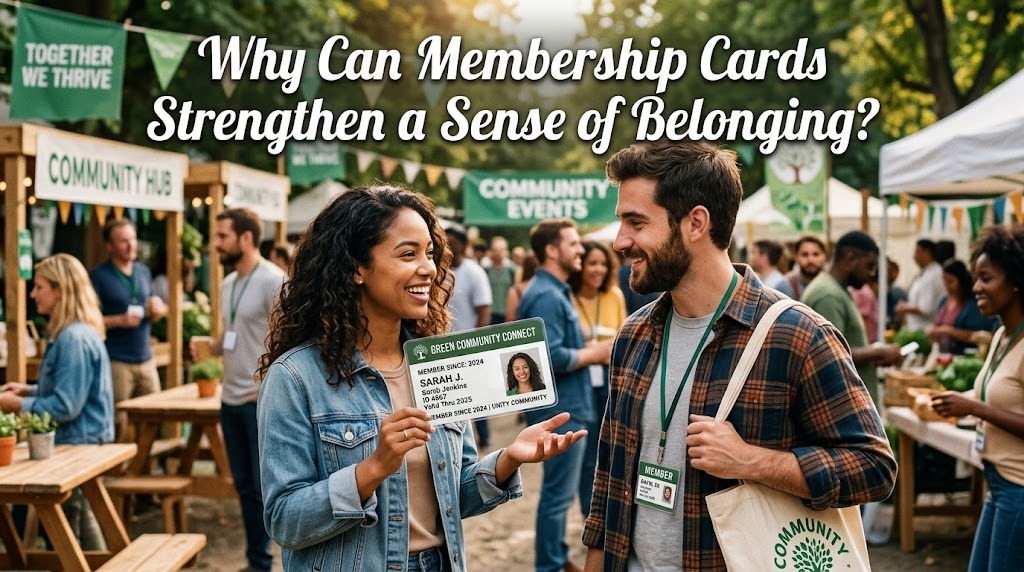
A membership card is more than an identification document that proves someone belongs to an organization. It can also represent a person's connection, participation, and commitment to a particular group. Membership cards are commonly used by professional associations, educational institutions, student organizations, sports clubs, and social communities to recognize officially registered members.
Having an official membership card can create a stronger sense of belonging because it gives individuals visible recognition as part of an organization. It also helps members understand their roles, responsibilities, and opportunities within the group. When used effectively, membership cards can encourage participation, build relationships, and strengthen organizational identity.
PROVIDING OFFICIAL RECOGNITION TO MEMBERS
One reason membership cards strengthen a sense of belonging is that they provide official recognition. When someone receives a membership card, it confirms that the organization has accepted them as part of its community. This recognition can make individuals feel appreciated and valued.
For example, students who join a campus organization may feel more connected to their group after receiving an official membership card. The card represents their successful registration and participation in organizational activities. It can also create a positive feeling because their involvement is formally acknowledged.
Official recognition is important because people generally want to feel accepted within a group. When organizations recognize their members through identification documents and other formal procedures, they can create an environment where individuals feel included and respected.
CREATING A STRONGER ORGANIZATIONAL IDENTITY
Membership cards can strengthen organizational identity by displaying the organization's name, logo, colors, and other visual elements. These features help members recognize the group they belong to and understand the identity it represents.
When members carry or use the same identification cards, they share a visible symbol of their organizational connection. This can create a sense of unity, especially during meetings, events, seminars, and other group activities.
For instance, members of a professional association may use their membership cards when attending conferences or representing the organization at external events. The cards help identify their affiliation and create a consistent organizational image.
A strong organizational identity can also encourage members to respect the organization's values and maintain a positive reputation. However, this identity should be supported by meaningful activities and positive relationships rather than relying only on visual symbols.
ENCOURAGING PARTICIPATION IN ORGANIZATIONAL ACTIVITIES
Another benefit of membership cards is their ability to encourage active participation. When individuals receive official recognition as members, they may become more motivated to participate in meetings, training sessions, community programs, and other organizational activities.
Membership cards can also make participation easier by providing access to events and facilities intended for registered members. For example, a sports club may use membership cards to identify participants who are eligible to attend training sessions or use specific facilities.
In addition, some organizations connect membership cards with digital platforms that provide event announcements, registration services, and activity schedules. These features help members stay informed and make it easier for them to become involved.
Regular participation can strengthen relationships between members and create opportunities for cooperation. Over time, these experiences can develop a stronger connection between individuals and the organization.
BUILDING RELATIONSHIPS AND A SENSE OF COMMUNITY
Membership cards can indirectly support the development of social connections by helping individuals become recognized members of the same community. When people share membership in an organization, they have more opportunities to meet others with similar interests, goals, or professional backgrounds.
For example, members of a student organization can use their shared membership as a starting point for building friendships and working together on various projects. Similarly, professional association members can develop connections through seminars, networking events, and collaborative programs.
These interactions can create a supportive environment where members exchange knowledge, share experiences, and help one another. Strong relationships make individuals feel more comfortable and connected within the organization.
Although a membership card cannot automatically create meaningful relationships, it can serve as an initial symbol of shared membership. The organization's activities, communication, and social environment play a more direct role in developing a genuine sense of community.
INCREASING MEMBER RESPONSIBILITY AND COMMITMENT
An official membership card can also encourage personal responsibility and organizational commitment. Receiving the card reminds members that they have been formally accepted into a group and may have certain responsibilities to fulfill.
These responsibilities can include following organizational rules, attending scheduled activities, respecting other members, and supporting the organization's objectives. When members understand their roles, they are more likely to contribute positively to the group's development.
For example, members of a community association may be encouraged to participate in social activities or environmental programs. Their membership status can remind them that they are part of a collective effort and that their involvement matters.
A strong sense of responsibility can improve cooperation and accountability. However, organizations should ensure that membership responsibilities are clearly communicated and reasonable for their members.
MAKING MEMBERS FEEL VALUED AND INCLUDED
Membership cards can contribute to a positive organizational environment by helping individuals feel valued and included. Receiving an official card can represent a welcoming process that confirms an individual's place within the group.
Organizations can strengthen this feeling by providing membership cards through formal welcome activities or introductory meetings. These experiences allow new members to become familiar with the organization's culture, objectives, and other participants.
In addition, organizations should ensure that membership identification systems are fair and accessible. Every eligible member should receive equal recognition regardless of their background, position, or length of participation, according to the organization's regulations.
When members feel accepted and treated fairly, they are more likely to develop trust and maintain long-term relationships with the organization. Therefore, membership cards can become part of a broader effort to create an inclusive and supportive community.
CONCLUSION
Membership cards can strengthen a sense of belonging by providing official recognition, building organizational identity, encouraging participation, and supporting relationships among members. They also remind individuals of their responsibilities and help create a feeling of acceptance within a particular group.
However, a membership card alone cannot guarantee strong relationships or active involvement. Organizations must support it with inclusive activities, effective communication, fair treatment, and meaningful opportunities for participation. When these elements work together, membership cards can become valuable symbols of connection, commitment, and shared identity.
Recent Posts

Bagaimana Sistem SKS pada Program Kuliah... 22.11.2026/48 View

How Does Technology Make Daily Evaluation... 21.11.2026/76 View

Apa Strategi Menghadapi Kesenjangan antara Kompetensi... 21.11.2026/78 View

Mengapa Inventaris Aset Penting bagi Kelancaran... 21.11.2026/73 View

When Should Musicians Join a Record... 21.11.2026/78 View
