

Why Do Business Operating Costs Increase Over Time?
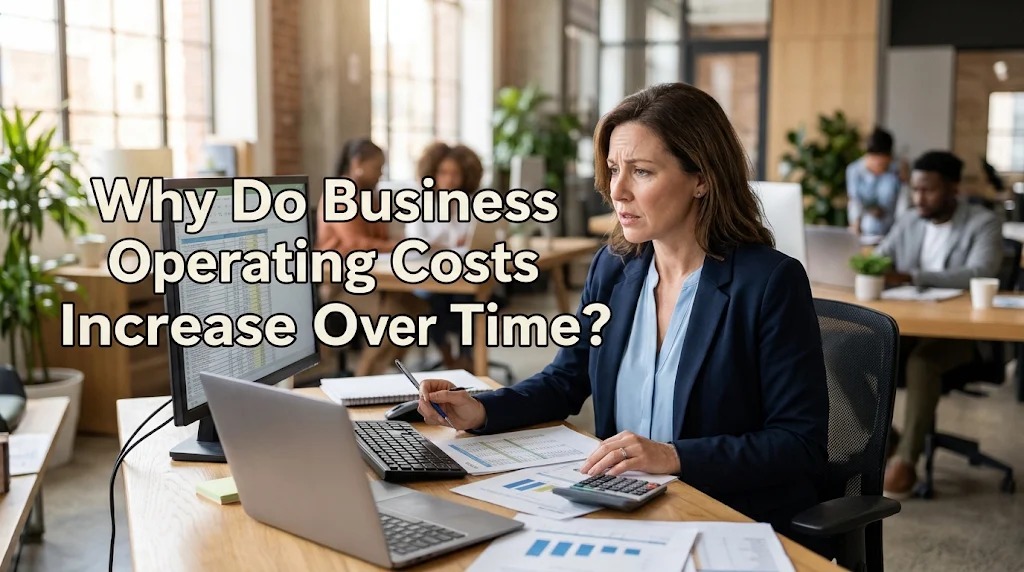
Operating costs are an important part of running a business because they cover the expenses required to maintain daily operations. These expenses include employee salaries, raw materials, electricity, transportation, office rent, equipment maintenance, and other operational needs. However, operating costs do not always remain stable. As a business grows and market conditions change, its expenses may gradually increase.
Rising operating costs can affect business profitability, cash flow, and long-term financial stability. If companies fail to identify the causes of increasing expenses, they may experience financial difficulties or struggle to maintain competitive prices. Understanding why operating costs increase over time helps business owners prepare better budgets, manage resources, and make more effective financial decisions.
INCREASING PRICES OF RAW MATERIALS AND SUPPLIES
One common reason business operating costs increase is the rising price of raw materials and supplies. Manufacturing companies depend on materials to produce goods, while restaurants, retailers, and service providers also require various supplies to maintain their activities. When suppliers increase their prices, businesses must spend more money to purchase the same quantities of materials. This directly affects production expenses and overall operating costs.
Several factors can cause material prices to increase, including inflation, limited supply, transportation disruptions, and changes in global market demand. For example, a food business may experience higher expenses when the prices of cooking oil, flour, and other ingredients increase. If the company continues selling products at the same prices, its profit margins may become smaller. Therefore, businesses need to monitor supplier prices, compare purchasing options, and prepare alternative sourcing strategies to control rising expenses.
EMPLOYEE SALARIES AND LABOR EXPENSES CONTINUE TO GROW
Employee-related expenses can increase over time as businesses expand and require more workers. Companies may need to hire additional employees, provide salary increases, offer bonuses, and improve employee benefits. These expenses are important because skilled and motivated workers contribute to productivity and service quality. However, they can also increase the amount of money required to maintain daily operations.
Labor costs may also rise because of changes in minimum wage regulations, competition for qualified employees, and increasing employee responsibilities. For example, a growing company may need additional administrative staff, supervisors, customer service representatives, and technical workers. Besides salaries, businesses must consider recruitment, training, insurance, and other employment-related expenses. Managing workforce expenses carefully helps companies maintain productivity without creating unnecessary financial pressure.
INFLATION AND INCREASING UTILITY EXPENSES
Inflation is another major factor that causes operating costs to increase. When the general prices of goods and services rise, businesses usually need to spend more money on their daily requirements. Expenses such as electricity, water, internet services, transportation, office supplies, and maintenance may become more expensive. Even if a company maintains the same level of activity, its total operating expenses can increase because the cost of essential resources has changed.
Higher energy prices can also create additional financial pressure, especially for manufacturing companies that operate machinery for long periods. Businesses that depend on transportation may face higher fuel and delivery costs. These increases can affect the entire supply chain, making it more expensive to purchase materials and distribute finished products. To manage these challenges, companies can improve energy efficiency, monitor utility consumption, and adjust budgets according to changing market conditions.
BUSINESS EXPANSION AND INCREASED OPERATIONAL ACTIVITIES
Business expansion can naturally increase operating costs because larger operations require more resources. When a company opens new branches, increases production, or enters different markets, it may need additional employees, equipment, storage facilities, and transportation services. These expenses are necessary to support growth, but they can become difficult to manage if the expansion is not planned properly.
In addition, a growing business may experience more complicated administrative and management requirements. For example, opening several new locations may increase rental expenses, maintenance costs, communication expenses, and inventory management needs. Companies may also need to invest in new technology and operational systems to coordinate their activities. Although expansion can create opportunities for higher revenue, businesses must ensure that their income grows sufficiently to support the additional expenses.
INEFFICIENT BUSINESS OPERATIONS AND POOR COST MANAGEMENT
Inefficient business operations can gradually increase operating costs without providing additional value to customers. Poor inventory management, excessive material usage, unnecessary employee overtime, and repeated administrative tasks can create avoidable expenses. These problems may seem small individually, but they can accumulate and significantly affect a company's financial performance over time.
Poor financial planning can make the situation worse. Businesses that do not regularly review their expenses may fail to recognize unnecessary spending or identify areas that require improvement. For example, purchasing more inventory than necessary can increase storage expenses and create the risk of damaged or outdated products. Companies should regularly evaluate their budgets, monitor operational performance, and use suitable management systems to identify inefficiencies. Better planning allows businesses to control expenses while maintaining product quality and customer satisfaction.
CONCLUSION
Business operating costs increase over time because of several factors, including rising material prices, higher employee expenses, inflation, business expansion, and inefficient operations. These changes can affect profitability and financial stability if they are not managed properly. Businesses should regularly monitor expenses, prepare realistic budgets, improve operational efficiency, and evaluate their purchasing strategies. By understanding the causes of rising operating costs, companies can make better financial decisions, maintain competitiveness, and support long-term business sustainability.
Recent Posts

Bagaimana Sistem SKS pada Program Kuliah... 22.11.2026/34 View

How Does Technology Make Daily Evaluation... 21.11.2026/68 View

Apa Strategi Menghadapi Kesenjangan antara Kompetensi... 21.11.2026/68 View

Mengapa Inventaris Aset Penting bagi Kelancaran... 21.11.2026/66 View

When Should Musicians Join a Record... 21.11.2026/67 View
