

Why Do Children from Broken Homes Often Struggle with Trust Issues?
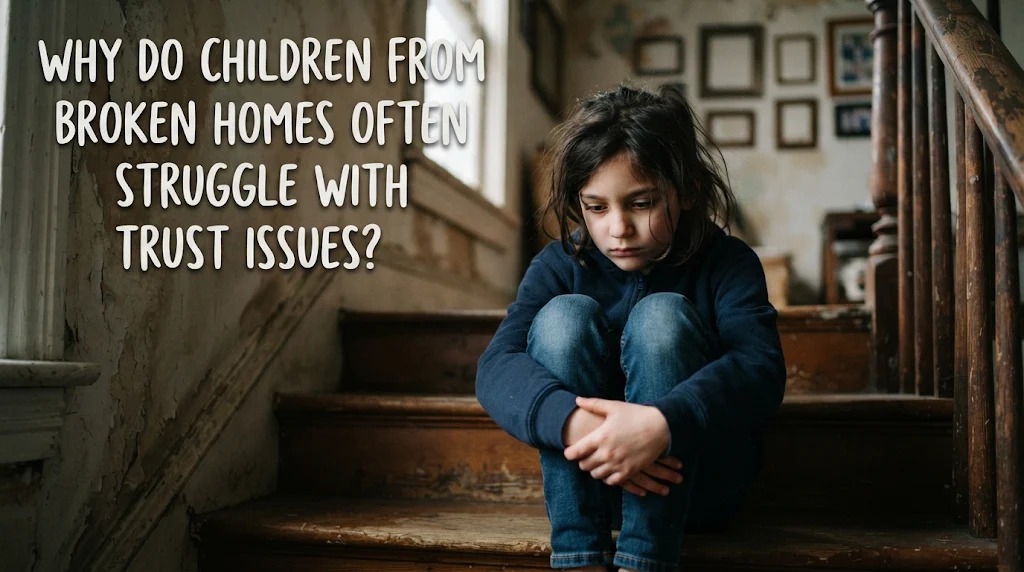
Children who grow up in broken homes may experience difficulties trusting other people because of painful family experiences. Frequent arguments, parental separation, emotional neglect, or broken promises can influence how children understand relationships. When the people they depend on do not provide a stable and supportive environment, they may become afraid of experiencing similar disappointment in the future. As a result, some children develop trust issues that affect their friendships, family relationships, and romantic relationships as they grow older. However, these difficulties do not happen to everyone, and with proper support, children can gradually learn to build healthy relationships.
UNDERSTANDING TRUST ISSUES IN CHILDREN FROM BROKEN HOMES
Trust issues refer to difficulties believing that other people are honest, reliable, and genuinely care about them. Children from broken homes may develop these difficulties when they repeatedly experience conflict, disappointment, or emotional insecurity within their families. Since parents are often children's first examples of love and relationships, negative experiences at home can influence their expectations of other people. They may begin to believe that relationships are temporary or that people they love will eventually leave them.
Furthermore, children who experience parental separation may struggle to understand changes in their family relationships. They might worry about losing the attention or affection of one or both parents. Some children become overly cautious when meeting new people, while others find it difficult to share personal feelings. These reactions can become part of their relationship patterns if they do not receive enough emotional support and reassurance.
THE ROLE OF PARENTAL CONFLICT AND BROKEN PROMISES
Frequent arguments between parents can create an environment where children feel unsafe and uncertain. When children regularly witness shouting, disagreements, or emotional tension, they may find it difficult to believe that relationships can be peaceful and stable. They can also become afraid that disagreements with friends or other people will eventually lead to rejection or separation. These experiences may influence their ability to develop trust and feel comfortable around others.
Broken promises can also contribute to trust issues during childhood. For example, when parents repeatedly fail to fulfill their commitments or provide consistent attention, children may feel disappointed and unimportant. Over time, they may become hesitant to depend on other people because they are afraid of being disappointed again. Consistency, honesty, and responsible communication from parents are important for helping children develop a healthier understanding of trust.
HOW EMOTIONAL NEGLECT AFFECTS A CHILD'S ABILITY TO TRUST
Emotional neglect occurs when children's emotional needs are not adequately recognized or supported by their caregivers. Children need affection, attention, understanding, and reassurance to develop a sense of security. When these needs are frequently ignored, they may feel lonely, unwanted, or unimportant. Such experiences can make it harder for them to believe that other people genuinely care about their feelings.
As they grow older, some children may avoid expressing their emotions because they are afraid of being ignored or misunderstood. Others may constantly seek reassurance because they worry that people will stop caring about them. These behaviors can affect friendships and other relationships, especially when children struggle to communicate their needs. Providing emotional attention and creating a safe environment can help them gradually develop confidence and a stronger sense of security.
SIGNS THAT CHILDREN MAY HAVE TRUST ISSUES
Children who struggle with trust may show different behaviors depending on their personalities and experiences. One common sign is difficulty sharing personal information or discussing feelings with others. Some children may become suspicious when someone offers help or shows affection because they are unsure about that person's intentions. Others may avoid close relationships because they are afraid of getting hurt or rejected.
Another possible sign is an excessive fear of abandonment. Children may become anxious when parents, friends, or trusted people are unavailable, even for ordinary reasons. Some may frequently ask whether others still care about them or become upset when plans suddenly change. However, these behaviors do not automatically indicate trust issues because they can also be influenced by age, temperament, and other experiences. Understanding the reasons behind a child's behavior is more helpful than immediately judging or labeling them.
THE EFFECTS OF TRUST ISSUES ON FUTURE RELATIONSHIPS
Trust issues that remain unresolved can influence how children build relationships during adolescence and adulthood. They may find it difficult to develop close friendships because they are constantly worried about betrayal or rejection. In romantic relationships, some individuals may struggle with jealousy, insecurity, or excessive fear of losing their partners. Others may avoid emotional closeness because they believe that depending on someone will eventually cause disappointment.
These difficulties can also affect communication and conflict management. For example, someone who has experienced unstable family relationships may interpret small disagreements as signs that a relationship is ending. This can create misunderstandings and emotional distance between people. Nevertheless, childhood experiences do not permanently determine someone's ability to maintain healthy relationships. With self-awareness, positive experiences, and appropriate support, individuals can develop healthier ways of communicating and building trust.
HOW CHILDREN CAN OVERCOME TRUST ISSUES AND BUILD CONFIDENCE
Helping children overcome trust issues begins with providing a safe and supportive environment. Parents or caregivers should demonstrate honesty, consistency, and affection through their everyday actions. They should also listen carefully when children express their worries without criticizing or dismissing their feelings. Most importantly, children need to understand that their parents' relationship problems are not their fault.
Children can also learn to build trust gradually by developing positive relationships with supportive friends, relatives, teachers, and other trusted adults. They should be encouraged to communicate their feelings, establish healthy boundaries, and recognize people who treat them with respect. When emotional difficulties become overwhelming or interfere with daily activities, professional support from a qualified mental health professional may be helpful. With patience and consistent encouragement, children can develop emotional resilience and understand that healthy relationships can be built on honesty, respect, and mutual understanding.
CONCLUSION
Children from broken homes may struggle with trust issues because of parental conflict, emotional neglect, separation, and inconsistent family relationships. These experiences can influence their ability to feel secure, express emotions, and build relationships with other people. However, not every child experiences the same effects, and a difficult family background does not determine their future. Through emotional support, consistent care, positive relationships, and appropriate guidance, children can gradually overcome their fears and develop healthy trust in others.
Recent Posts

How Does Technology Make Daily Evaluation... 21.11.2026/57 View

Apa Strategi Menghadapi Kesenjangan antara Kompetensi... 21.11.2026/59 View

Mengapa Inventaris Aset Penting bagi Kelancaran... 21.11.2026/54 View

When Should Musicians Join a Record... 21.11.2026/54 View

Daily Evaluation or Daily Planning Which... 21.11.2026/61 View
