

Why Do Food and Essential Goods Become More Expensive During Inflation?
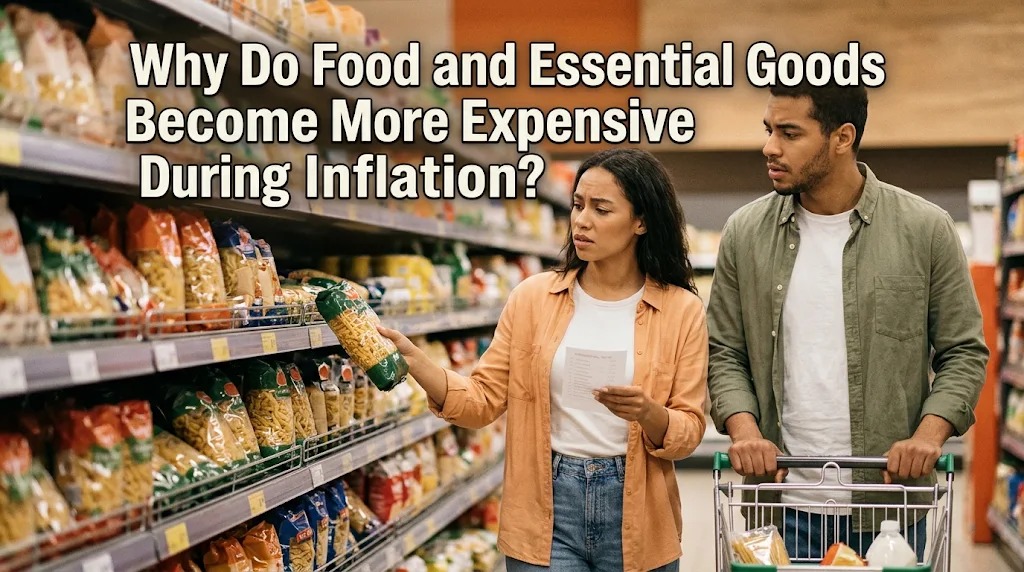
During periods of inflation, people often notice that food and essential goods become more expensive. Products such as rice, cooking oil, eggs, vegetables, fuel, and household supplies may experience price increases over time. These changes can make everyday shopping more expensive and place additional pressure on household budgets. Understanding the reasons behind rising prices helps consumers recognize how economic conditions influence the cost of basic necessities.
INCREASING PRODUCTION COSTS
One major reason food and essential goods become more expensive during inflation is the increase in production costs. Businesses need various resources to manufacture products, including raw materials, labor, electricity, machinery, and packaging. When the prices of these resources increase, producers often face higher expenses.
For example, farmers may spend more money on fertilizers, seeds, agricultural equipment, and transportation. Food manufacturers may also experience higher costs for ingredients, electricity, and packaging materials. To maintain their operations and avoid financial losses, producers may increase the selling prices of their products. These additional expenses can eventually be passed on to consumers.
RISING TRANSPORTATION AND DISTRIBUTION COSTS
Transportation plays an important role in delivering food and essential goods from producers to consumers. Agricultural products, manufactured goods, and household supplies must be transported through distribution networks before reaching traditional markets, supermarkets, and retail stores. When fuel prices, vehicle maintenance expenses, and transportation wages increase, distribution becomes more expensive.
These additional costs can influence the final prices of products in different regions. For instance, food transported over long distances may become more expensive because distributors need to spend more money on delivery. Businesses may adjust their prices to cover these expenses and maintain their distribution activities. Consequently, higher transportation costs can contribute to rising food prices and other essential goods.
INCREASING DEMAND AND LIMITED PRODUCT SUPPLY
The relationship between supply and demand also influences the prices of essential goods. When consumer demand increases while the available supply remains limited, sellers may raise prices because more people are competing to purchase the same products.
This situation can occur during certain seasons, holidays, or periods of unusual market activity. For example, demand for rice, cooking oil, eggs, and meat may increase before major celebrations. If producers and distributors cannot provide enough products to meet that demand, prices may rise. Supply shortages caused by extreme weather, crop failures, or distribution disruptions can create additional pressure on market prices.
CURRENCY DEPRECIATION AND IMPORTED GOODS
Some essential goods depend on imported raw materials, ingredients, machinery, or finished products. When a country's currency loses value against foreign currencies, importing these goods can become more expensive. Importers need more local currency to purchase the same quantity of products from international suppliers.
For example, food manufacturers that rely on imported ingredients may experience higher production expenses when the domestic currency depreciates. These costs can eventually affect the prices paid by consumers. Currency depreciation can also increase the cost of imported fertilizers, animal feed, and agricultural equipment, indirectly influencing domestic food production.
MARKET CONDITIONS AND BUSINESS PRICING DECISIONS
Market conditions and business decisions can also influence the prices of food and essential goods during inflation. Producers, distributors, wholesalers, and retailers consider several factors when determining their selling prices, including operating expenses, competition, product availability, and expected demand.
When businesses face continuous cost increases, they may adjust their prices to maintain profitability and support daily operations. However, the extent of these adjustments can vary depending on the industry and market conditions. Government policies, distribution efficiency, and competition among sellers can also influence how price increases reach consumers. Effective market supervision and reliable supply chains help reduce unnecessary price fluctuations.
CONCLUSION
Food and essential goods become more expensive during inflation because of several connected factors, including higher production costs, transportation expenses, increasing demand, limited supply, currency depreciation, and market conditions. These factors can increase the expenses of producers and distributors, eventually affecting the prices paid by consumers. Understanding these causes helps households manage their spending and recognize the economic factors behind rising everyday expenses.
Recent Posts

Bagaimana Sistem SKS pada Program Kuliah... 22.11.2026/35 View

How Does Technology Make Daily Evaluation... 21.11.2026/69 View

Apa Strategi Menghadapi Kesenjangan antara Kompetensi... 21.11.2026/69 View

Mengapa Inventaris Aset Penting bagi Kelancaran... 21.11.2026/67 View

When Should Musicians Join a Record... 21.11.2026/68 View
