

Why Do Haters Enjoy Criticizing Other People's Lives?
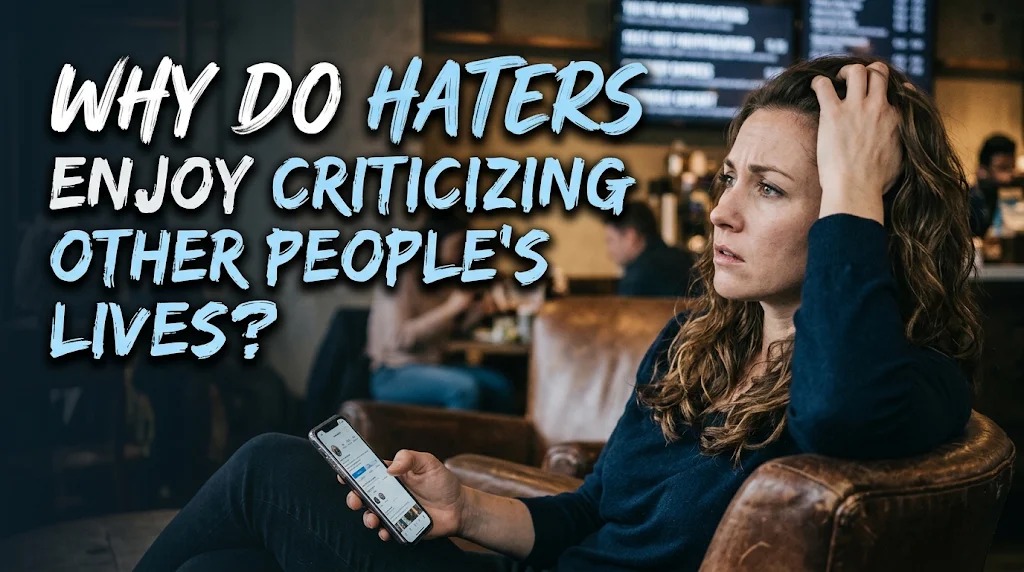
In everyday life, some people seem to enjoy commenting on other people's decisions, appearances, achievements, relationships, and personal problems. Their criticism may appear in direct conversations or through social media comments. While constructive criticism can help someone improve, repeated negative remarks without a clear purpose can create discomfort and damage relationships.
People who frequently criticize others are sometimes described as haters. Their behavior can have different causes, ranging from personal dissatisfaction and jealousy to a desire for attention or social influence. Understanding these possible reasons can help people respond more wisely without immediately assuming that every negative comment comes from the same motivation.
FEELING INSECURE ABOUT THEMSELVES
One possible reason people criticize others is personal insecurity. Individuals who feel uncertain about their abilities, appearance, or achievements may compare themselves with other people. These comparisons can make them focus on someone else's weaknesses instead of addressing their own concerns.
Criticizing others may temporarily make insecure individuals feel more confident or superior. However, this behavior does not resolve the underlying feelings of inadequacy. Building self-confidence through personal growth is a healthier way to manage insecurity.
ENVY OF OTHER PEOPLE'S SUCCESS
Jealousy can also influence negative comments. When someone sees another person achieving success, receiving recognition, or enjoying new opportunities, they may experience feelings of comparison or dissatisfaction.
Instead of appreciating the achievement, they may search for reasons to dismiss it. For example, they might suggest that someone succeeded only because of luck or special treatment. Such reactions can reflect difficulty accepting another person's progress.
SEEKING ATTENTION FROM OTHERS
Some people criticize others because negative comments can attract attention. On social media, controversial statements may generate replies, arguments, reactions, and increased visibility.
This attention can encourage repeated behavior, especially when the person enjoys being noticed. However, receiving attention through hostility can damage their reputation and create unnecessary conflict with others.
WANTING TO FEEL SUPERIOR
Criticizing other people can become a way to establish a sense of superiority. By pointing out another person's mistakes or weaknesses, some individuals attempt to present themselves as more intelligent, successful, or knowledgeable.
This attitude often creates unhealthy relationships because conversations become focused on judgment rather than understanding. Genuine confidence does not require someone to constantly lower other people's self-esteem.
DISAGREEING WITH DIFFERENT LIFESTYLES
People have different values, beliefs, habits, and priorities. Sometimes, individuals criticize others simply because their choices do not match their personal expectations.
Differences in clothing, careers, relationships, education, or financial decisions can become subjects of unnecessary judgment. However, having different preferences does not automatically mean that another person's choices are wrong. Respecting differences is important for maintaining healthy social relationships.
PROJECTING PERSONAL FRUSTRATIONS
Projection is a psychological concept that describes attributing one's own uncomfortable feelings or characteristics to another person. In some situations, individuals may criticize others for behaviors or weaknesses that they also struggle with themselves.
For example, someone who feels dissatisfied with their own progress may frequently accuse others of being unsuccessful. This does not mean every critic is projecting personal problems, but unresolved frustration can sometimes influence how people judge others.
BEING INFLUENCED BY A NEGATIVE ENVIRONMENT
A person's social environment can shape how they communicate and respond to others. If someone regularly spends time in groups where gossip, ridicule, and harsh criticism are common, they may begin treating these behaviors as normal.
Over time, negative communication can become a habit. Changing this pattern requires greater awareness, empathy, and willingness to communicate respectfully.
MISUNDERSTANDING OTHER PEOPLE'S LIVES
People often form opinions based on limited information. They may see a short social media post, a photograph, or one particular situation and assume they understand someone's entire life.
These assumptions can lead to unfair criticism. A person may not know the difficulties, responsibilities, or personal circumstances behind another individual's decisions. Before judging someone, it is important to recognize that visible information rarely represents the complete story.
ENJOYING GOSSIP AND SOCIAL DRAMA
Some individuals find gossip entertaining because it gives them something to discuss with others. Conversations about personal conflicts, mistakes, and private matters can become a source of excitement or social connection.
However, spreading unverified information can harm reputations and create misunderstandings. Healthy communication should focus on meaningful topics rather than repeatedly discussing other people's personal lives.
HOW TO RESPOND TO PEOPLE WHO CONSTANTLY CRITICIZE
Dealing with negative comments does not always require an argument. A calm and thoughtful response can prevent unnecessary conflict while protecting personal boundaries.
Several approaches can help:
- Evaluate the criticism: Determine whether the comment contains useful information or is simply intended to hurt.
- Avoid unnecessary arguments: Not every negative statement deserves a response.
- Set clear boundaries: Politely explain when someone's comments become disrespectful or intrusive.
- Limit exposure: Reduce interactions with people who repeatedly create emotional discomfort.
- Focus on personal development: Continue working toward meaningful goals instead of allowing negative opinions to control decisions.
- Seek support: Talk with trusted friends, family members, or other supportive people when criticism becomes difficult to manage.
These approaches help people maintain their confidence without responding to hostility with more hostility.
CONCLUSION
People may enjoy criticizing other people's lives for various reasons, including insecurity, jealousy, attention-seeking, frustration, and the influence of negative social environments. Sometimes, their comments also result from misunderstandings or limited information.
However, not every criticism comes from harmful intentions. Constructive feedback can be valuable when it is delivered respectfully and supported by reasonable explanations. The important distinction is whether criticism aims to help someone improve or simply to embarrass and diminish them. By recognizing this difference, individuals can respond more wisely and focus on building a healthier personal environment.
Recent Posts

Bagaimana Sistem SKS pada Program Kuliah... 22.11.2026/28 View

How Does Technology Make Daily Evaluation... 21.11.2026/65 View

Apa Strategi Menghadapi Kesenjangan antara Kompetensi... 21.11.2026/65 View

Mengapa Inventaris Aset Penting bagi Kelancaran... 21.11.2026/62 View

When Should Musicians Join a Record... 21.11.2026/63 View
