

Why Do Haters Hide Behind Anonymous Accounts?
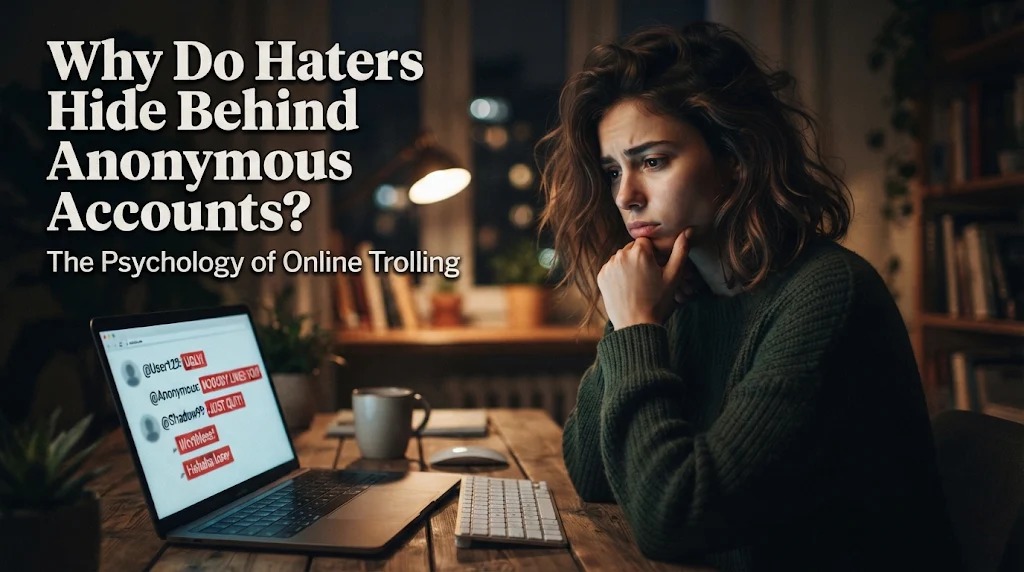
Anonymous accounts have become common on social media, online forums, and digital communities. Some people use them to protect their privacy, express personal opinions, or participate in discussions without revealing their identities. However, others use anonymity to post hateful comments, insult strangers, spread rumors, or attack people without showing who they really are.
Hiding behind an anonymous account can make negative behavior feel easier because the person believes they will not face direct consequences. Without a visible identity, some users become less concerned about how their words affect others. Understanding why this happens can help people recognize online harassment and respond to it more wisely.
THE FEELING OF BEING PROTECTED BY ANONYMITY
One common reason haters use anonymous accounts is the feeling of protection. When their real names, photographs, and personal information are hidden, they may believe that other people cannot easily identify them. This perceived distance can reduce their fear of being judged or held responsible for their comments.
As a result, some individuals feel more comfortable expressing anger, insults, or aggressive opinions online. They may say things they would avoid saying during a face-to-face conversation. However, anonymity does not completely guarantee privacy or freedom from consequences, especially when someone violates platform rules or applicable laws.
FEAR OF SOCIAL CONSEQUENCES
Some people hide their identities because they do not want their negative behavior to affect their reputation. They may worry that friends, relatives, classmates, coworkers, or professional contacts will discover their comments. Using an anonymous profile allows them to separate their online behavior from their real-life identity.
This can happen when someone wants to criticize or attack another person but does not want to be associated with the conflict. They may feel safer making harsh statements when others cannot immediately connect the account to them. Nevertheless, avoiding public identification does not make hurtful behavior acceptable.
INSECURITY AND THE NEED TO FEEL SUPERIOR
Insecurity can also influence why some people attack others through anonymous accounts. Individuals who feel dissatisfied with themselves may compare their lives with other people's achievements, appearance, relationships, or popularity. Instead of addressing those feelings constructively, they may express frustration by putting someone else down.
An anonymous account can make this behavior easier because the person does not have to reveal their own life or achievements. They can criticize others while avoiding questions about their personal circumstances. However, not every anonymous user is insecure, and the reasons behind online hostility can differ from one individual to another.
THE DESIRE TO PROVOKE EMOTIONAL REACTIONS
Some haters post negative comments because they want to see how other people respond. They may enjoy receiving angry replies, starting arguments, or attracting attention from other users. For these individuals, the reaction can become more important than the original topic of discussion.
Anonymous accounts can support this behavior because users may feel less personally exposed when provoking someone. They might repeatedly leave insulting comments to make their target feel uncomfortable or lose confidence. Responding emotionally to every provocation can sometimes encourage the behavior to continue, so choosing when to engage is important.
AVOIDING PERSONAL RESPONSIBILITY
Using an anonymous profile may create a false sense that words have no serious consequences. Some people believe they can insult others, spread misleading information, or make accusations without being held accountable. This mindset can weaken their consideration of other people's feelings and experiences.
In reality, online communication still has real-world effects. Harmful comments can damage someone's reputation, create emotional distress, and contribute to an unsafe digital environment. Depending on the circumstances, online harassment may also violate platform policies or applicable laws. An anonymous identity does not automatically remove responsibility for harmful actions.
FOLLOWING NEGATIVE ONLINE COMMUNITIES
Another reason people hide behind anonymous accounts is the influence of online communities that encourage hostile behavior. Certain groups normalize mocking others, spreading gossip, or attacking people who have different opinions. Members may participate because they want acceptance or fear becoming targets themselves.
When negative behavior becomes common within a group, individuals may gradually consider it normal. Anonymous profiles can make participation easier because members feel less pressure to maintain a positive public image. This demonstrates how group influence can shape online behavior, even when individuals might act differently in other environments.
WANTING TO EXPRESS OPINIONS WITHOUT BEING IDENTIFIED
Not everyone who uses an anonymous account has harmful intentions. Some people choose anonymity because they want to discuss sensitive experiences, ask personal questions, or express unpopular opinions without exposing their identities. In certain situations, anonymity can help individuals communicate more comfortably.
The difference lies in how the account is used. Expressing disagreement respectfully is not the same as insulting, threatening, or deliberately humiliating another person. Therefore, it is important not to assume that every anonymous account belongs to a hater. The behavior and content of the messages provide more meaningful evidence than the absence of a real name or photograph.
HOW TO RESPOND TO HATE FROM ANONYMOUS ACCOUNTS
Dealing with anonymous haters requires calm judgment and appropriate boundaries. Not every negative comment deserves a response, especially when the account appears to be deliberately seeking conflict. Instead of reacting immediately, consider whether the message contains useful feedback or is simply intended to provoke an emotional reaction.
Several practical steps can help protect your online experience:
- Avoid unnecessary arguments: Do not spend too much energy responding to accounts that repeatedly provoke or insult you.
- Block and report harmful accounts: Use platform features when someone engages in harassment, threats, or repeated abusive behavior.
- Save relevant evidence: Keep screenshots, account details, and message records if the behavior becomes persistent or threatening.
- Protect personal information: Avoid sharing private details that could expose your identity, location, or daily activities.
- Seek support: Talk to trusted people if online harassment begins affecting your confidence or emotional well-being.
- Evaluate criticism carefully: Separate useful feedback from personal attacks so that negative comments do not automatically influence how you see yourself.
If someone makes credible threats or engages in serious harassment, consider seeking appropriate assistance rather than confronting the account alone.
BUILDING CONFIDENCE AGAINST ANONYMOUS HATE
Anonymous comments can sometimes feel more intimidating because the person behind them is unknown. Their words may create questions about who they are, why they are targeting someone, or whether other people share their opinions. However, the number of negative comments does not determine whether those comments are accurate.
Building confidence means recognizing that personal worth should not depend on approval from strangers online. It also involves developing the ability to evaluate feedback without accepting every insult as a fact. Spending time with supportive people, focusing on meaningful goals, and maintaining healthy digital habits can help reduce the emotional influence of online negativity.
CONCLUSION
Haters may hide behind anonymous accounts because they feel protected, fear social consequences, seek attention, avoid responsibility, or follow negative online communities. In some cases, anonymity also provides a legitimate way for people to protect their privacy and express sensitive opinions. Therefore, anonymity itself should not automatically be considered a sign of harmful intentions.
The most important thing is to recognize the difference between respectful communication and deliberate online harassment. By setting boundaries, using reporting tools, protecting personal information, and maintaining self-confidence, people can respond to anonymous negativity without allowing it to control their lives.
Recent Posts

Bagaimana Sistem SKS pada Program Kuliah... 22.11.2026/27 View

How Does Technology Make Daily Evaluation... 21.11.2026/65 View

Apa Strategi Menghadapi Kesenjangan antara Kompetensi... 21.11.2026/65 View

Mengapa Inventaris Aset Penting bagi Kelancaran... 21.11.2026/62 View

When Should Musicians Join a Record... 21.11.2026/63 View
