

Why Do Life Experiences Affect Personality Formation?
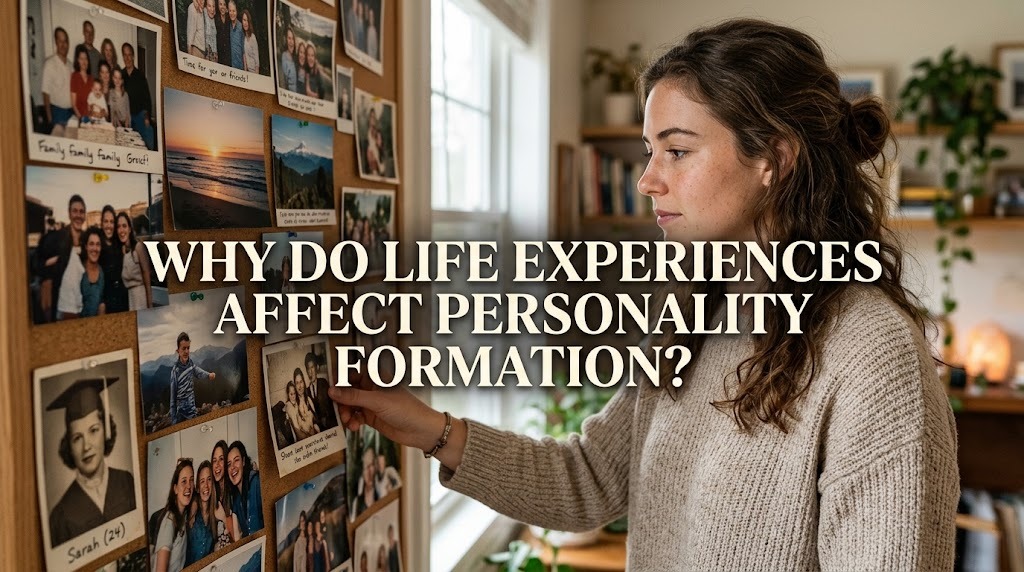
Life experiences play an important role in shaping a person's personality because they influence how individuals think, feel, behave, and respond to different situations. Every experience, whether positive or negative, provides opportunities to learn something new about themselves and the world around them. Experiences such as childhood memories, friendships, education, personal achievements, failures, and difficult situations can gradually change someone's attitudes and behavior.
Personality does not develop only through inherited characteristics or family influences. It also develops through the situations people encounter throughout their lives. For example, someone who experiences repeated encouragement may become more confident, while someone who faces difficult challenges may learn to become more patient and independent. Understanding the relationship between life experiences and personality formation helps explain why individuals can develop different characteristics even when they grow up in similar environments.
UNDERSTANDING THE RELATIONSHIP BETWEEN LIFE EXPERIENCES AND PERSONALITY
Life experiences are events, situations, and interactions that individuals encounter throughout their lives. These experiences influence the way people understand themselves, develop relationships, and respond to their surroundings. Some experiences may strengthen existing personality characteristics, while others may encourage individuals to develop new attitudes and behaviors.
Personality formation is closely connected to how individuals interpret and respond to these experiences. Two people can experience the same situation but develop different reactions because they have different backgrounds, emotions, and ways of thinking. For example, one person may see failure as an opportunity to improve, while another may become afraid of trying again. These different responses can influence their confidence, motivation, and behavior over time.
CHILDHOOD EXPERIENCES SHAPE EARLY PERSONALITY
Childhood is an important stage of personality development because children are still learning how to understand emotions, build relationships, and respond to their environment. Experiences during this period can influence their confidence, emotional security, independence, and social behavior. Positive childhood experiences, such as receiving affection, encouragement, and appropriate guidance, can help children develop a healthy sense of self-worth.
In contrast, unpleasant childhood experiences may influence how individuals view themselves and other people. Children who frequently experience rejection, excessive criticism, or a lack of emotional support may develop insecurity or difficulty trusting others. However, childhood experiences do not permanently determine someone's personality. Supportive relationships, education, and positive experiences later in life can help individuals develop healthier attitudes and behaviors.
POSITIVE EXPERIENCES BUILD CONFIDENCE AND SELF-ESTEEM
Positive experiences can help individuals develop confidence and a stronger belief in their abilities. Achievements, appreciation, encouragement, and successful social interactions provide opportunities for people to recognize their strengths. When individuals experience success after making an effort, they may become more willing to accept challenges and explore new opportunities.
These experiences can also improve self-esteem, which refers to how individuals evaluate and value themselves. For example, students who receive constructive encouragement from teachers may become more confident when expressing their opinions or participating in classroom activities. Over time, positive experiences can encourage independence, optimism, and motivation. These characteristics become important parts of how individuals behave and interact with others.
NEGATIVE EXPERIENCES TEACH RESILIENCE AND EMOTIONAL MATURITY
Negative experiences can influence personality by teaching individuals how to manage difficulties and respond to unexpected situations. Experiences such as failure, disappointment, rejection, and personal loss may create emotional challenges. However, these situations can also provide valuable lessons about patience, responsibility, and problem-solving.
When individuals learn to face difficulties instead of avoiding them, they may gradually develop resilience. Resilience is the ability to adapt and recover when experiencing challenges or stressful situations. For example, someone who experiences failure in an important examination may initially feel disappointed but eventually learn to prepare more effectively. Through reflection and support, difficult experiences can contribute to emotional maturity and a better understanding of personal strengths and weaknesses.
FAMILY EXPERIENCES INFLUENCE ATTITUDES AND BEHAVIOR
Family experiences have a significant influence on personality because the family is usually the first social environment individuals encounter. Children observe how parents and other family members communicate, solve problems, express emotions, and treat one another. These everyday interactions can influence how children develop attitudes toward responsibility, respect, honesty, and relationships.
Positive family experiences can help individuals feel accepted, supported, and emotionally secure. Children who receive appropriate attention and guidance may become more comfortable expressing their feelings and making decisions. Meanwhile, frequent family conflict or poor communication may create difficulties in developing trust and emotional regulation. Nevertheless, individuals can learn healthier behaviors through positive relationships and experiences outside the family.
FRIENDSHIPS AND SOCIAL INTERACTIONS CHANGE PERSONALITY
Friendships and social interactions provide experiences that influence how individuals communicate and understand other people. Through relationships with friends, classmates, and colleagues, individuals learn about cooperation, empathy, respect, and conflict resolution. These interactions also expose people to different opinions and perspectives that may change how they understand certain situations.
Positive friendships can encourage individuals to become more confident, open-minded, and supportive. For example, someone who is naturally shy may gradually become more comfortable speaking in public after spending time with encouraging friends. On the other hand, negative social experiences, such as bullying or unhealthy peer pressure, may affect self-confidence and social behavior. Therefore, healthy relationships are important for developing positive personality characteristics.
EDUCATION AND NEW EXPERIENCES ENCOURAGE PERSONAL GROWTH
Education provides various experiences that contribute to personality formation. Through learning activities, group projects, classroom discussions, and extracurricular programs, individuals develop discipline, responsibility, communication skills, and independence. These activities also encourage students to understand different perspectives and become more comfortable working with others.
New experiences outside formal education can also support personal growth. Joining organizations, participating in community activities, traveling, or learning new skills can help individuals become more adaptable and open to change. For example, students who participate in group activities may gradually develop leadership and teamwork skills. These opportunities allow individuals to discover their abilities and develop characteristics that may not have emerged in familiar environments.
LIFE CHANGES DEVELOP ADAPTABILITY AND INDEPENDENCE
Major life changes can influence personality because they require individuals to adjust to new situations and responsibilities. Changes such as starting university, entering the workplace, moving to another location, or becoming financially independent can introduce unfamiliar challenges. These situations encourage individuals to develop new ways of thinking and managing their daily lives.
Adapting to change can strengthen independence, flexibility, and decision-making abilities. For example, someone who moves away from their family for education may learn how to manage money, organize schedules, and solve everyday problems independently. Although significant changes can sometimes create stress, they can also provide opportunities for personal development. The way individuals respond to these transitions may gradually influence their personality.
SELF-REFLECTION HELPS INDIVIDUALS LEARN FROM EXPERIENCES
Self-reflection is the process of examining personal thoughts, emotions, decisions, and experiences to understand what can be learned from them. It helps individuals recognize behavioral patterns and identify areas that need improvement. Instead of simply moving from one experience to another, people can use reflection to understand why they reacted in certain ways and how they can respond better in the future.
For example, someone who frequently argues during disagreements can reflect on their emotional reactions and communication habits. By recognizing these patterns, they can practice listening carefully, controlling their emotions, and respecting different opinions. Self-reflection also encourages individuals to appreciate their progress and recognize personal strengths. This process supports continuous personality development and helps people make more thoughtful decisions.
CONCLUSION
Life experiences affect personality formation because they influence how individuals think, feel, behave, and understand the world. Childhood memories, family relationships, friendships, education, personal achievements, failures, and major life changes all contribute to personality development. Both positive and negative experiences can provide valuable lessons that shape attitudes, emotional responses, and social behavior.
However, life experiences do not determine personality in exactly the same way for everyone. Individual interpretations, personal choices, and available support also influence how people respond to different situations. By learning from experiences, practicing self-reflection, and building healthy relationships, individuals can continue developing positive characteristics throughout their lives.
Recent Posts

Bagaimana Sistem SKS pada Program Kuliah... 22.11.2026/45 View

How Does Technology Make Daily Evaluation... 21.11.2026/73 View

Apa Strategi Menghadapi Kesenjangan antara Kompetensi... 21.11.2026/75 View

Mengapa Inventaris Aset Penting bagi Kelancaran... 21.11.2026/71 View

When Should Musicians Join a Record... 21.11.2026/75 View
