

Why Do Many Taxpayers Experience Difficulties When Filing Tax Returns?
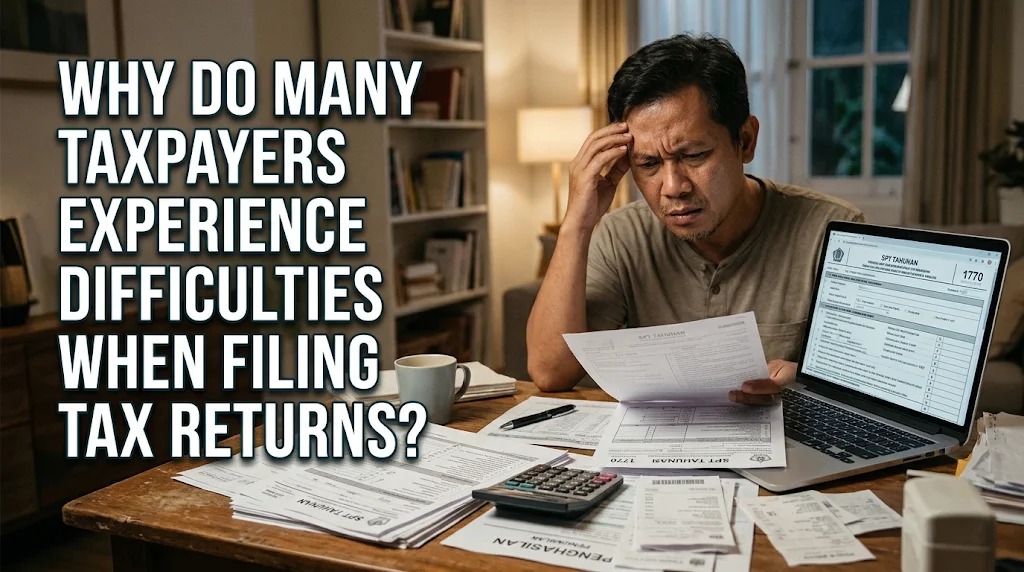
Filing an annual tax return is an important responsibility for individuals and businesses. Through this process, taxpayers report relevant financial information and fulfill their obligations according to applicable tax regulations. However, many people still experience difficulties when preparing and submitting their tax returns. These challenges can arise from limited knowledge, incomplete documents, complicated procedures, or technical problems with digital platforms.
Understanding the reasons behind these difficulties can help taxpayers prepare more effectively and avoid common reporting mistakes. Although digital services have made tax administration more accessible, taxpayers still need to understand the information they must provide and the procedures they need to follow. Identifying common tax reporting challenges is an important step toward making the filing process more accurate and manageable.
LIMITED UNDERSTANDING OF TAX REGULATIONS AND REPORTING PROCEDURES
One of the main reasons taxpayers experience difficulties is a lack of understanding of applicable tax regulations. Some individuals may not know which income must be reported, what deductions or tax credits may apply, or which annual tax return category they should use. This uncertainty can make the reporting process confusing, especially for people who are filing their taxes independently for the first time.
Tax regulations and administrative procedures can also change over time. Taxpayers who rely on outdated information may misunderstand current requirements or use procedures that are no longer applicable. This situation can lead to incorrect entries, incomplete reports, or unnecessary delays during submission.
To address this challenge, taxpayers should obtain information from official tax authority channels and review the instructions provided for their reporting category. They can also seek assistance from qualified tax professionals when their financial circumstances are complicated. Understanding tax obligations and reporting procedures helps taxpayers make more informed decisions throughout the filing process.
INCOMPLETE FINANCIAL DOCUMENTS AND INACCURATE RECORDS
Another common difficulty is the lack of complete supporting documents. Taxpayers may have trouble finding income statements, withholding certificates, payment records, invoices, or other financial information needed to prepare their returns. When these documents are scattered across different locations, collecting and verifying them can take considerable time.
Individuals with multiple income sources may face additional challenges because they need to organize financial information from different activities. For example, someone who receives employment income and freelance payments may need to combine several records before completing the annual return. Business owners may also need to review sales, expenses, and transaction records to ensure that the reported information is consistent.
Incomplete or inaccurate records can increase the risk of mistakes during tax reporting. Therefore, taxpayers should maintain organized financial documentation throughout the year rather than collecting everything shortly before the deadline. Consistent financial recordkeeping makes it easier to verify income, calculate tax obligations, and complete annual tax returns accurately.
COMPLICATED TAX CALCULATIONS AND DIFFERENT INCOME SOURCES
Tax calculations can become difficult when taxpayers have several sources of income or financial activities. Employees with only one source of employment income may have a relatively straightforward reporting process. However, individuals who also receive business income, freelance payments, rental income, or investment returns may need to review additional information before determining their tax position.
Business taxpayers may face even greater complexity because their calculations can involve revenue, deductible expenses, accounting adjustments, tax payments, and other business-related transactions. They need to ensure that the financial information used in their tax returns follows the applicable tax rules. Without proper accounting records, it may be difficult to identify which transactions should be included in the calculation.
Taxpayers who are uncertain about the calculations should avoid estimating figures without reliable supporting information. They can review official guidance, use available tax calculation tools, or consult qualified professionals when necessary. Accurate income classification and tax calculations are essential for reducing reporting errors and ensuring that the information submitted reflects the taxpayer's actual circumstances.
TECHNICAL PROBLEMS WITH DIGITAL TAX REPORTING PLATFORMS
Digital tax services have made it possible for taxpayers to complete many administrative tasks online. However, technical difficulties can still occur during the reporting process. Users may experience problems such as slow website performance, login errors, forgotten passwords, unstable internet connections, or difficulty understanding the platform's features.
Some taxpayers may also have limited experience using digital services. They might struggle to navigate online forms, upload supporting documents, or complete authentication procedures. These challenges can be more difficult for people who are unfamiliar with digital tax administration or do not have reliable access to internet facilities.
To reduce these problems, taxpayers should familiarize themselves with the official platform before the reporting period becomes busy. They should also ensure that their account information is updated, prepare the required documents, and use a stable internet connection. If technical issues continue, they can seek assistance through official tax authority support channels. Digital literacy and early preparation can help taxpayers use online reporting services more effectively.
PROCRASTINATION AND LACK OF PREPARATION BEFORE THE DEADLINE
Some taxpayers experience difficulties because they delay preparing their annual tax returns until the deadline approaches. When document collection, financial calculations, and account verification are postponed, the entire process can become more stressful. This habit may also increase the risk of incomplete information and submission errors.
Procrastination can occur for several reasons, including busy work schedules, uncertainty about reporting procedures, or the assumption that tax reporting will only take a short time. However, taxpayers with multiple income sources or complicated financial records may need additional time to prepare everything properly.
A practical solution is to create a simple preparation schedule and complete each task gradually. Taxpayers can collect supporting documents, review financial records, and check their account information well before the reporting deadline. Setting reminders can also help them monitor important dates. Early preparation and effective time management make tax reporting more organized and reduce the pressure associated with last-minute submissions.
CONCLUSION
Many taxpayers experience difficulties when filing tax returns because of limited knowledge of tax regulations, incomplete financial documents, complicated calculations, technical problems, and inadequate preparation. These challenges can affect both individuals and businesses, although the level of difficulty depends on their financial activities and reporting responsibilities.
To overcome these obstacles, taxpayers should understand the applicable procedures, maintain accurate financial records, use official digital services, and prepare their documents early. Seeking professional assistance may also be helpful when dealing with complicated tax matters. By improving financial organization and tax awareness, taxpayers can complete their annual tax returns more accurately and efficiently.
Recent Posts

How Does Technology Make Daily Evaluation... 21.11.2026/58 View

Apa Strategi Menghadapi Kesenjangan antara Kompetensi... 21.11.2026/60 View

Mengapa Inventaris Aset Penting bagi Kelancaran... 21.11.2026/56 View

When Should Musicians Join a Record... 21.11.2026/55 View

Daily Evaluation or Daily Planning Which... 21.11.2026/63 View
