

Why Does a School Health Unit Play an Important Role in Promoting Student Well Being?
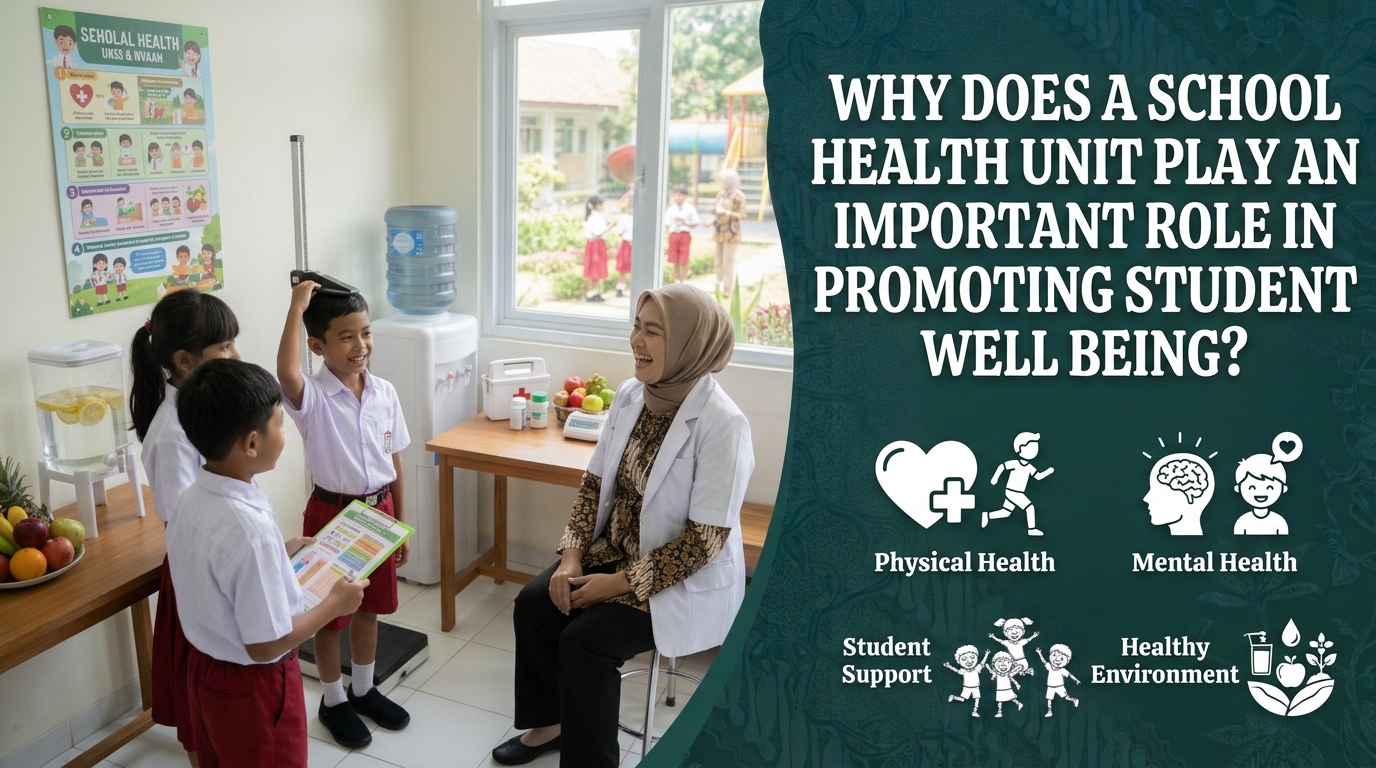
Student well-being is an important part of creating a successful learning environment. Students need more than academic knowledge to grow and achieve their goals. They also need good physical health, emotional support, personal hygiene, and a safe school environment. One way schools can support these needs is by providing a School Health Unit (SHU). In Indonesia, this is commonly known as Usaha Kesehatan Sekolah (UKS).
A School Health Unit plays an important role in maintaining students’ health and encouraging healthy habits from an early age. Through health education, basic health services, and a clean school environment, it helps students understand how to take care of themselves. A well-managed School Health Unit can support students’ physical, mental, and social well-being, helping them feel safer and more prepared to participate in learning activities.
WHAT IS A SCHOOL HEALTH UNIT?
A School Health Unit is a school-based facility or program designed to support and promote the health of students. It provides basic health assistance, health education, and activities that encourage healthy lifestyles. In Indonesia, the UKS program generally focuses on three main areas: health education, health services, and creating a healthy school environment. These areas work together to help students understand the importance of maintaining their health.
A School Health Unit is not intended to replace hospitals, clinics, or professional medical services. Instead, it provides basic support for students who feel unwell or need simple first aid during school hours. It can also help identify health concerns that require further attention from parents or healthcare professionals. With proper facilities and trained support, the School Health Unit becomes an important part of a school's efforts to protect student health.
WHY IS STUDENT WELL-BEING IMPORTANT?
Student well-being refers to students’ overall physical, mental, emotional, and social condition. It influences how they feel, behave, interact with others, and participate in school activities. Students who feel healthy and supported are generally better prepared to concentrate, communicate, and take part in classroom learning. On the other hand, health problems, stress, and uncomfortable school conditions can make learning more difficult.
Promoting student well-being is important because schools are not only places for academic development but also environments where children build lifelong habits. Healthy students need opportunities to develop confidence, social skills, emotional awareness, and personal responsibility. When schools pay attention to these needs, they create a more supportive atmosphere for students. Therefore, student well-being should be considered an essential part of education.
HOW DOES A SCHOOL HEALTH UNIT SUPPORT PHYSICAL HEALTH?
One of the main roles of a School Health Unit is to support students’ physical health during school activities. Students may experience headaches, dizziness, minor injuries, stomach discomfort, or other common health problems while at school. The School Health Unit can provide basic first aid and initial assistance according to its available facilities and procedures. If a condition requires medical attention, the school should contact parents or arrange an appropriate referral to a healthcare facility.
In addition, the School Health Unit can encourage students to maintain healthy daily routines. Activities may include promoting balanced nutrition, regular physical activity, adequate sleep, personal hygiene, and proper handwashing. Health checks or screening activities may also help identify certain concerns early when conducted by qualified health personnel. These efforts help students become more aware of their physical condition and the importance of preventing illness.
HOW DOES IT PROMOTE MENTAL AND EMOTIONAL WELL-BEING?
Student well-being is not limited to physical health. Mental and emotional health also influence how students experience school life. Academic pressure, bullying, friendship problems, family difficulties, and social expectations can affect students’ feelings and behavior. A supportive School Health Unit can contribute to a healthier school environment by providing health information and helping students access appropriate support.
Schools can work with teachers, counselors, parents, and healthcare professionals to respond to students who experience emotional difficulties. Students should feel safe when asking for help and should not be judged for discussing their concerns. Counseling services, anti-bullying programs, and mental health education can strengthen these efforts. When students receive appropriate support, they may feel more confident, valued, and comfortable participating in school activities.
HOW DOES A SCHOOL HEALTH UNIT BUILD HEALTHY HABITS?
Healthy habits are easier to develop when students learn and practice them consistently. A School Health Unit can organize educational activities about personal hygiene, nutritious food, physical activity, and disease prevention. For example, students can learn how to wash their hands correctly, maintain clean nails, brush their teeth, and choose healthier snacks. These simple activities teach students that everyday decisions can influence their health.
The program can also involve teachers and parents to ensure that healthy habits are practiced beyond the school environment. Students may participate in classroom discussions, health campaigns, clean-up activities, and school-wide hygiene programs. Active participation helps students develop independence and responsibility for their own health. Over time, these habits can become part of their daily routines at school and at home.
HOW DOES IT CREATE A CLEAN AND SAFE LEARNING ENVIRONMENT?
A clean and safe school environment is essential for protecting student health. Poor sanitation, dirty classrooms, unsafe drinking water, and unmanaged waste can increase the risk of illness and make students uncomfortable. A School Health Unit can work with school administrators and other staff to promote better hygiene and environmental health practices. These efforts may include encouraging clean toilets, proper waste disposal, adequate handwashing facilities, and access to safe drinking water.
School health activities should also promote safety in classrooms, playgrounds, sports areas, and other school facilities. Potential hazards need to be identified and addressed to reduce the risk of accidents. Students can contribute by keeping classrooms clean, disposing of rubbish properly, and following school safety rules. A clean, healthy, and safe environment helps students feel comfortable and protected while learning.
HOW DOES IT SUPPORT STUDENTS' LEARNING ACTIVITIES?
Health and learning are closely connected because students need physical and emotional readiness to participate effectively in education. When students experience illness, fatigue, hunger, or emotional distress, they may find it harder to concentrate and complete classroom activities. A School Health Unit helps address some of these challenges by promoting preventive health practices and providing basic assistance when needed. This support can help students return to learning activities when it is appropriate and safe to do so.
Health education also helps students understand how their lifestyle choices influence their daily performance. For example, eating nutritious meals, drinking enough water, getting sufficient sleep, and staying physically active can support general health and readiness to learn. A healthy school community creates better conditions for students to participate, interact, and develop their abilities. Although health programs cannot guarantee higher academic results, they can support the conditions needed for effective learning.
WHAT CAN SCHOOLS DO TO IMPROVE THE ROLE OF THE SCHOOL HEALTH UNIT?
Schools need proper planning and cooperation to make their School Health Unit effective. The facility should have suitable basic equipment, a clean and comfortable room, first-aid supplies, and clear procedures for handling health concerns. Schools should also establish communication with nearby healthcare facilities so that students who need further medical attention can receive appropriate assistance. Regular evaluation is important to identify weaknesses and improve the quality of the program.
Teachers, students, parents, and healthcare professionals all have important roles in supporting school health activities. Teachers can encourage healthy behavior, while parents can reinforce good habits at home. Students can participate in health campaigns and help maintain a clean environment. Cooperation among the school community and local health services makes health programs more consistent, practical, and responsive to students’ needs.
CONCLUSION
A School Health Unit plays an important role in promoting student well-being because it supports physical health, encourages healthy habits, contributes to emotional support, and helps create a clean and safe learning environment. Its activities also help students understand the importance of disease prevention, personal hygiene, and responsible health behavior.
However, an effective School Health Unit requires more than a room and basic medical supplies. It needs proper management, cooperation between schools and families, and support from qualified healthcare professionals. By strengthening health education, basic health services, and environmental health programs, schools can create a healthier atmosphere where students feel supported and ready to learn. Investing in student well-being means supporting their development both inside and outside the classroom.
Recent Posts

Bagaimana Sistem SKS pada Program Kuliah... 22.11.2026/35 View

How Does Technology Make Daily Evaluation... 21.11.2026/69 View

Apa Strategi Menghadapi Kesenjangan antara Kompetensi... 21.11.2026/70 View

Mengapa Inventaris Aset Penting bagi Kelancaran... 21.11.2026/67 View

When Should Musicians Join a Record... 21.11.2026/69 View
