

Why Does Asset Tracking Matter in Business Operations?
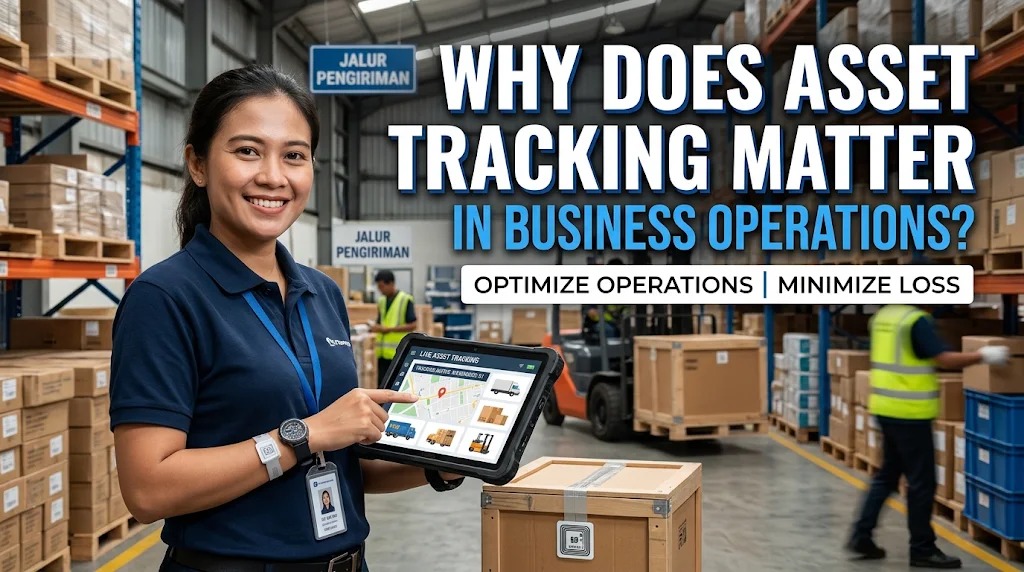
Asset tracking is an important process that helps businesses monitor the location, condition, usage, and movement of their resources. Every company relies on different assets, such as computers, machinery, vehicles, office equipment, and inventory, to support daily operations. Without proper tracking, these resources can become difficult to manage, increasing the risk of loss, damage, and unnecessary expenses. By implementing an effective asset tracking system, businesses can improve efficiency, protect company property, and make better operational decisions.
IMPROVING VISIBILITY OF COMPANY ASSETS
Asset tracking gives businesses clear information about the resources they own and how those resources are being used. Companies can record important details, including asset names, identification numbers, locations, purchase dates, and current conditions. This information makes it easier for managers to monitor company property and understand which resources are available.
Having accurate asset information also helps businesses avoid confusion when equipment is transferred between departments or locations. Employees can identify the resources they need without spending too much time searching for them. Better asset visibility supports more organized operations and improves resource management.
PREVENTING ASSET LOSS AND THEFT
One of the main benefits of asset tracking is reducing the risk of losing company property. Businesses often manage valuable equipment and resources that may be moved between offices, warehouses, or operational locations. Without proper monitoring, these assets can be misplaced, stolen, or used without authorization.
An asset tracking system helps companies identify where their resources are located and who is responsible for using them. Identification labels, barcodes, and tracking technologies can make asset monitoring more reliable. Regular inspections also help businesses detect missing items and take appropriate action before losses become more serious.
REDUCING OPERATIONAL COSTS
Asset tracking helps companies control expenses by providing accurate information about their existing resources. When businesses know what assets they have, they can avoid purchasing equipment that is already available but not being used effectively. This reduces unnecessary spending and improves budget planning.
Tracking also helps companies monitor maintenance expenses, equipment conditions, and replacement needs. Managers can identify assets that require frequent repairs or create excessive operating costs. By using this information, businesses can make more economical decisions and allocate their budgets more efficiently.
SUPPORTING REGULAR ASSET MAINTENANCE
Regular maintenance is necessary to keep business equipment functioning properly. Asset tracking allows companies to monitor maintenance schedules, repair histories, and equipment conditions. This information helps managers identify which assets need inspection or servicing.
For example, a manufacturing company can track the operating hours of production machines to determine when maintenance is required. Preventive maintenance reduces the possibility of unexpected breakdowns and production interruptions. It also helps extend the useful life of equipment and lower long-term repair expenses.
INCREASING EMPLOYEE PRODUCTIVITY
Employees can perform their tasks more efficiently when the equipment and resources they need are properly tracked and organized. Asset tracking makes it easier to locate available tools, computers, vehicles, and other work-related equipment. This reduces time wasted searching for missing resources.
Clear asset records also help employees understand their responsibilities when borrowing or using company property. When equipment is available and properly maintained, employees can complete their work with fewer interruptions. As a result, businesses can improve workplace productivity and operational efficiency.
IMPROVING FINANCIAL RECORDS AND ACCOUNTABILITY
Accurate asset tracking supports better financial management because companies need reliable information about their resources. Asset records can provide details about purchase costs, locations, conditions, depreciation, and disposal activities. These details help accounting departments maintain accurate financial information.
Asset tracking also improves accountability by identifying which departments or employees are responsible for specific resources. Companies can compare physical assets with accounting records during internal audits. This process helps detect recording errors, missing equipment, and unauthorized asset movements.
USING TECHNOLOGY FOR MORE EFFECTIVE TRACKING
Modern technology allows businesses to track assets more accurately and efficiently. Digital systems can store asset information in centralized databases, making records easier to update and access. Companies can also use tools such as barcodes, QR codes, RFID tags, and GPS devices, depending on their operational needs.
For example, warehouses can use barcode scanners to monitor inventory movements, while transportation companies can use GPS technology to track vehicle locations. Some asset management platforms also provide automated maintenance reminders and activity reports. These technologies help businesses reduce manual work and improve monitoring accuracy.
CONCLUSION
Asset tracking matters in business operations because it improves asset visibility, prevents losses, reduces expenses, and supports regular maintenance. It also increases employee productivity, strengthens financial records, and improves accountability. By combining accurate recordkeeping with suitable tracking technology, businesses can manage their resources more effectively and maintain smooth daily operations.
Recent Posts

How Does Technology Make Daily Evaluation... 21.11.2026/55 View

Apa Strategi Menghadapi Kesenjangan antara Kompetensi... 21.11.2026/57 View

Mengapa Inventaris Aset Penting bagi Kelancaran... 21.11.2026/52 View

When Should Musicians Join a Record... 21.11.2026/52 View

Daily Evaluation or Daily Planning Which... 21.11.2026/59 View
