

Why Does City History Matter to Future Generations?
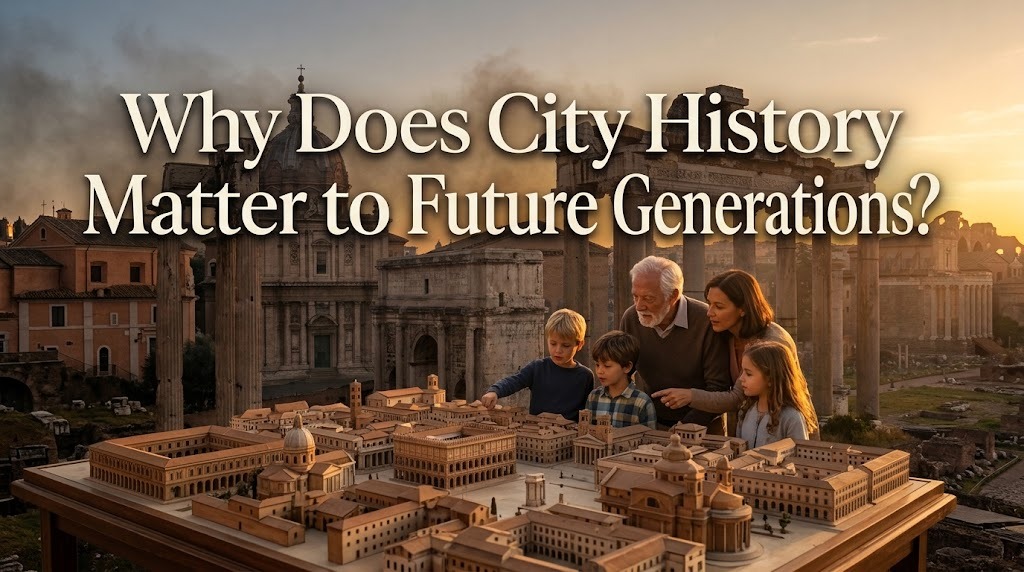
City history provides valuable insights into how communities develop, adapt, and respond to changes over time. Every city has a unique story shaped by migration, trade, political decisions, cultural traditions, technological progress, and major historical events. Understanding these experiences helps people recognize the origins of their surroundings and appreciate the contributions of earlier generations. More importantly, studying city history allows future generations to learn from past achievements and mistakes when planning sustainable and inclusive urban communities.
PRESERVING CULTURAL IDENTITY
City history helps preserve the cultural identity of a community. Historic buildings, traditional markets, public squares, monuments, and cultural festivals reflect the values and experiences of people who lived in earlier periods. These features provide visible connections between the past and present, allowing residents to understand how local traditions developed.
When younger generations learn about their city's history, they can develop a stronger sense of belonging and responsibility toward their cultural heritage. This knowledge also encourages communities to protect historical landmarks and traditional practices from disappearing. Preserving cultural identity does not mean rejecting change; it means ensuring that modernization respects the historical experiences that make each city distinctive.
LEARNING FROM PAST MISTAKES
Historical records reveal how cities responded to challenges such as natural disasters, economic crises, political conflicts, and public health emergencies. Examining these experiences helps communities identify decisions that succeeded and those that created additional problems. For example, historical flood records can show which neighborhoods have repeatedly experienced water damage and which infrastructure improvements have been effective.
Future generations can use these lessons to make better decisions about urban development and public safety. Understanding the consequences of poor planning, inadequate sanitation, or unequal access to resources can help prevent similar problems from recurring. Although historical circumstances differ from modern conditions, the lessons they provide can support more informed decision-making.
SUPPORTING BETTER URBAN PLANNING
City history helps urban planners understand why neighborhoods, transportation routes, and public spaces developed in particular ways. Old roads may follow former trade routes, while railway stations and ports may explain the growth of commercial districts. Historical development patterns can reveal how geography, economic activity, and government decisions influenced the structure of a city.
This information can guide future infrastructure projects and land-use decisions. Planners who understand historical settlement patterns may be better equipped to protect important landmarks, improve transportation connections, and avoid damaging culturally significant areas. Combining historical knowledge with modern technology can also help cities balance development needs with heritage conservation.
STRENGTHENING COMMUNITY CONNECTIONS
Learning about a city's past can bring residents together by highlighting shared experiences and collective achievements. Stories about local workers, community leaders, artists, traders, and ordinary families demonstrate how different groups contributed to urban development. These accounts can help residents appreciate the role of cooperation in building and maintaining their communities.
City history can also encourage meaningful conversations between generations. Older residents may share memories, photographs, documents, and traditions that younger people have never experienced directly. When these personal accounts are recorded and preserved, they become valuable resources for future researchers and community members.
PROTECTING HISTORIC BUILDINGS AND LANDMARKS
Historic buildings and landmarks are physical records of a city's development. Their architectural styles, construction materials, and original purposes can reveal information about past technologies, economic conditions, political systems, and cultural influences. Preserving these structures allows future generations to examine history through real places rather than relying entirely on written descriptions.
However, historic preservation requires careful planning. Some old buildings need structural reinforcement, accessibility improvements, or changes in use to remain safe and functional. Cities can protect their heritage by documenting important structures, maintaining historic districts, and adapting suitable buildings for museums, libraries, cultural centers, or community activities.
ENCOURAGING ECONOMIC AND TOURISM OPPORTUNITIES
City history can create economic opportunities through cultural tourism, heritage education, museums, and historical events. Visitors may travel to explore old city centers, traditional neighborhoods, archaeological sites, and buildings associated with significant events. These activities can support local businesses, including restaurants, accommodation providers, craft sellers, tour guides, and transportation services.
Historical attractions can also encourage residents to appreciate local products and traditional skills. When managed responsibly, heritage tourism creates opportunities to generate income while maintaining cultural traditions. Nevertheless, cities need to manage visitor numbers, protect historic structures, and involve local communities to ensure that tourism does not damage the heritage that attracts visitors in the first place.
IMPROVING ENVIRONMENTAL AWARENESS
Historical city records can reveal how communities interacted with their natural surroundings. Old maps, photographs, and documents may show former river channels, wetlands, forests, coastlines, and agricultural areas that have changed through urban expansion. Comparing historical conditions with the present can help researchers understand the environmental consequences of development.
This knowledge is useful for future environmental planning. Cities can use historical information alongside scientific data to identify long-term patterns of flooding, coastal change, pollution, and land-use transformation. Such evidence can support decisions about green spaces, drainage systems, conservation areas, and climate adaptation strategies.
USING TECHNOLOGY TO PRESERVE CITY HISTORY
Modern technology has created new ways to document and share historical information. Digital archives, online maps, virtual tours, geographic information systems, and three-dimensional models allow people to explore places and buildings that may no longer exist in their original form. Digitization also helps preserve fragile photographs, manuscripts, maps, and other historical materials.
These tools can make city history more accessible to students, researchers, and the general public. Schools can use digital resources to connect classroom learning with local historical sites, while communities can contribute photographs and personal stories to online collections. However, digital preservation should complement rather than replace the protection of original documents, historic buildings, and physical cultural sites.
INSPIRING RESPONSIBLE FUTURE DEVELOPMENT
Understanding city history encourages future generations to think critically about the relationship between progress and preservation. Every major development project can influence the character of neighborhoods, access to public spaces, housing affordability, and the survival of cultural landmarks. Historical knowledge helps communities consider these consequences before making decisions that may be difficult to reverse.
Responsible urban development should respect local identity while responding to contemporary needs. Governments, planners, businesses, and residents can work together to create cities that are economically productive, environmentally sustainable, and culturally meaningful. By learning from previous generations, future citizens can help ensure that urban growth benefits the wider community rather than only a limited group.
CONCLUSION
City history matters to future generations because it preserves cultural identity, provides lessons from past challenges, supports better urban planning, and strengthens community connections. It also helps protect historic landmarks, create responsible tourism opportunities, improve environmental awareness, and guide the use of modern technology. Most importantly, understanding the past allows people to make more informed decisions about the future. By preserving historical knowledge and applying its lessons carefully, communities can build cities that continue to develop without losing the heritage that makes them unique.
Recent Posts

Bagaimana Sistem SKS pada Program Kuliah... 22.11.2026/51 View

How Does Technology Make Daily Evaluation... 21.11.2026/81 View

Apa Strategi Menghadapi Kesenjangan antara Kompetensi... 21.11.2026/81 View

Mengapa Inventaris Aset Penting bagi Kelancaran... 21.11.2026/77 View

When Should Musicians Join a Record... 21.11.2026/82 View
