

Why Does Environment Influence People’s Reading Habits?
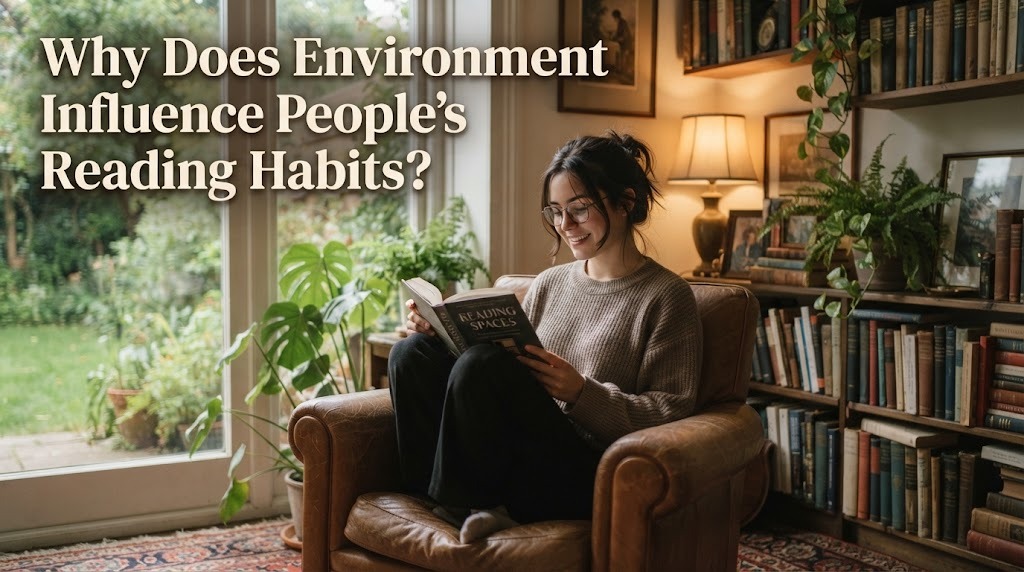
The environment around a person can strongly influence how often, where, and why they read. Reading habits are not formed only by personal interest because family, school, friends, libraries, and digital spaces can also shape reading behavior. A supportive environment can make books and other reading materials easier to access and encourage people to read regularly. In contrast, an environment with limited resources or frequent distractions can make reading more difficult. Understanding this influence can help families, schools, and communities create better conditions for developing a strong reading culture.
FAMILY CAN SHAPE EARLY READING HABITS
Family is one of the first environments that can influence a person's relationship with reading. Children who regularly see parents or other family members reading may view books as a normal part of everyday life. Families can also encourage reading by providing books, visiting libraries, or setting aside time for reading at home. Conversations about stories and interesting topics can make reading a shared experience. Positive experiences at home can help children develop reading habits that continue as they grow older.
SCHOOL CREATES READING OPPORTUNITIES
Schools provide an important environment for students to practice reading regularly. Libraries, classroom reading corners, literacy programs, and reading assignments can give students access to different types of materials. Teachers can also recommend books and organize activities that make reading more engaging. A school that values reading can encourage students to see it as an important part of learning. Consistent opportunities can gradually turn reading into a regular habit.
SOCIAL CIRCLES INFLUENCE READING INTEREST
Friends and peers can affect the types of activities people consider interesting or valuable. When students see their friends reading, discussing books, or recommending stories, they may become curious about the same materials. Reading groups and book clubs can make the activity more social and enjoyable. Positive peer influence can motivate people who may not normally choose to read on their own. However, a social environment that rarely values reading may provide less motivation to develop the habit.
ACCESS TO BOOKS MATTERS
People are more likely to read when suitable reading materials are easy to find. Libraries, bookstores, school collections, community reading centers, and digital platforms can provide different options for readers. If books are difficult to access or expensive, some people may have fewer opportunities to read regularly. Convenient access allows individuals to explore different genres and subjects without major barriers. A community with accessible reading resources can therefore support stronger reading habits.
A COMFORTABLE SPACE SUPPORTS CONCENTRATION
The physical environment can affect a person's ability to concentrate while reading. Quiet, comfortable, and well-lit spaces can make it easier to focus on longer texts. In contrast, excessive noise, interruptions, or uncomfortable surroundings can make reading less enjoyable. People may also need a suitable place where they can read without constantly checking other activities. Creating a comfortable reading space can therefore encourage longer and more consistent reading sessions.
DIGITAL ENVIRONMENTS CHANGE READING BEHAVIOR
Today's digital environment has created new opportunities and challenges for reading habits. Smartphones, tablets, and computers provide quick access to e-books, articles, news, and educational materials. However, the same devices also contain social media, games, videos, and other sources of distraction. People may therefore switch between reading and entertainment instead of concentrating on one text. Learning to manage digital distractions can help individuals use technology to support rather than weaken their reading habits.
COMMUNITY CULTURE CAN ENCOURAGE READING
The broader community can influence whether reading is considered valuable. Communities that organize book fairs, literacy programs, reading competitions, or library events can create more opportunities for people to engage with books. Public spaces that provide reading materials can also make reading more visible in everyday life. When people see others participating in reading activities, they may feel encouraged to join. A community that actively supports literacy can gradually develop a stronger reading culture.
MEDIA EXPOSURE CAN SHAPE READING PREFERENCES
People are constantly exposed to information through television, websites, social media, and other forms of media. This exposure can influence the topics they become interested in reading. For example, a popular film or online discussion may encourage someone to read a related book or explore the subject more deeply. At the same time, a constant focus on short-form content may reduce interest in longer texts. The media environment can therefore influence both what people read and how they read.
TIME AND DAILY ROUTINES AFFECT READING
A person's daily environment includes their schedule and routine, which can determine whether they have enough time to read. Busy school, work, household, or social activities may leave little time for books. Creating a regular reading period, even for a short amount of time, can make reading easier to maintain. A predictable routine can help reading become a habit rather than an activity people only do when they have free time. Time management is therefore an important part of creating a reading-friendly environment.
POSITIVE ENVIRONMENTS BUILD LONG-TERM HABITS
A supportive reading environment can influence habits over a long period. When people have access to books, encouragement from others, comfortable spaces, and enough time to read, they are more likely to develop consistency. These conditions can reduce barriers that often prevent people from reading regularly. Over time, repeated positive experiences can make reading feel natural and enjoyable. This can contribute to a stronger personal and community reading culture.
CONCLUSION
Environment influences people's reading habits because it affects access, motivation, concentration, social behavior, and daily routines. Families, schools, friends, libraries, communities, and digital platforms can either encourage or discourage regular reading. A supportive environment makes reading easier by providing suitable resources, positive examples, comfortable spaces, and opportunities to share ideas. Creating these conditions can help people develop stronger and more consistent reading habits. In the long term, a positive reading environment can contribute to a stronger culture of literacy and lifelong learning.
Recent Posts

Bagaimana Sistem SKS pada Program Kuliah... 22.11.2026/35 View

How Does Technology Make Daily Evaluation... 21.11.2026/69 View

Apa Strategi Menghadapi Kesenjangan antara Kompetensi... 21.11.2026/70 View

Mengapa Inventaris Aset Penting bagi Kelancaran... 21.11.2026/67 View

When Should Musicians Join a Record... 21.11.2026/69 View
