

Why Does Global Warming Increase the Risk of Heatwaves?
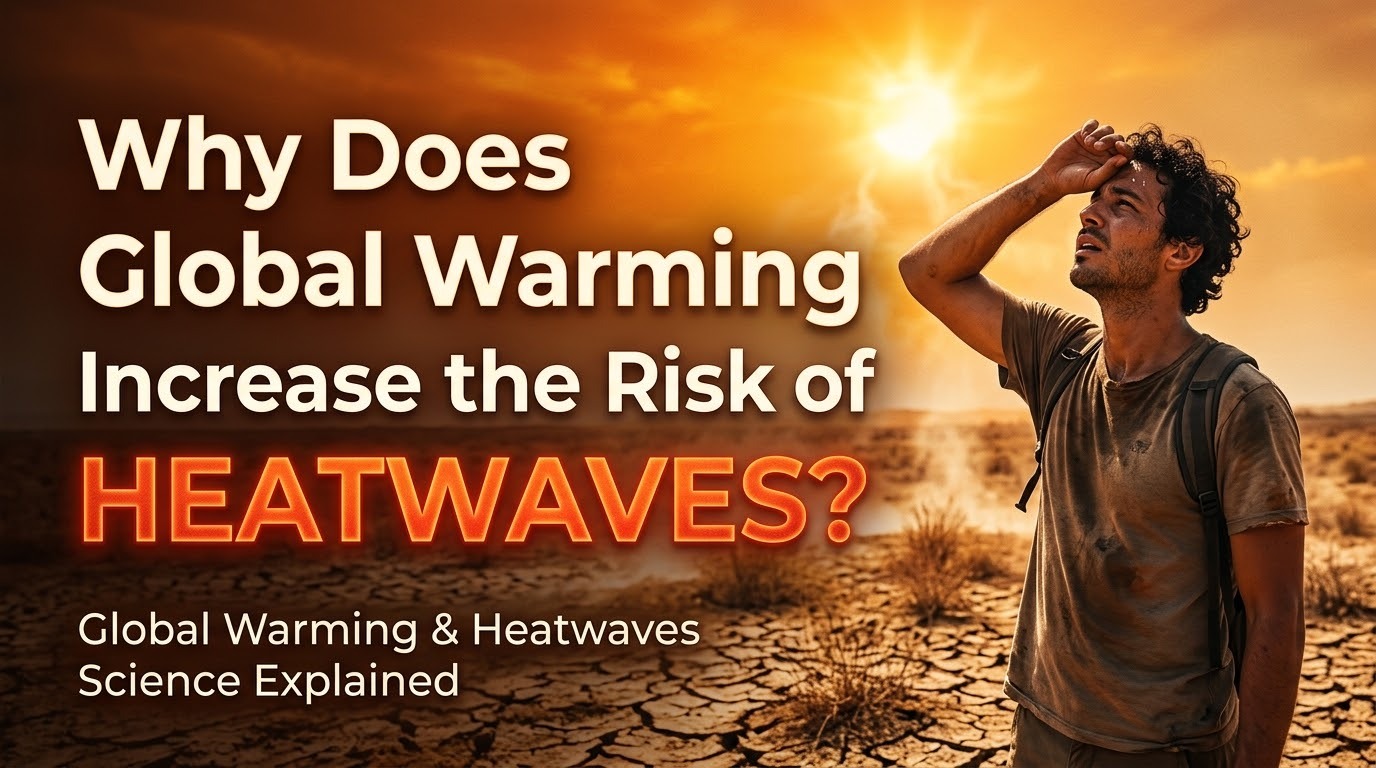
Global warming is the long-term rise in the Earth's average temperature, largely caused by greenhouse gas emissions from human activities. One of its major consequences is an increased risk of heatwaves, which occur when temperatures remain unusually high for several consecutive days compared with the normal conditions of a region. As the planet becomes warmer, extreme heat can occur more frequently, last longer, and reach higher temperatures in many parts of the world.
The relationship between global warming and heatwaves is closely connected to changes in the atmosphere, land surface, and water cycle. Rising average temperatures make it easier for extreme heat to develop, while certain weather patterns and dry conditions can intensify its effects. Understanding this connection helps explain why heatwaves are an important climate-related risk for human health, agriculture, ecosystems, and communities.
RISING GLOBAL TEMPERATURES MAKE EXTREME HEAT MORE LIKELY
One of the main reasons global warming increases the risk of heatwaves is that the Earth's average temperature is rising. When the overall climate becomes warmer, daily temperatures are more likely to reach unusually high levels. This means that temperatures once considered extreme may occur more frequently in some regions.
A warmer starting point can also make existing heat events more intense. Even without a major change in local weather patterns, higher background temperatures can push a period of warm weather into the heatwave category. The effect varies by location because geography, elevation, and regional climate influence local temperatures. Nevertheless, long-term warming has increased the likelihood and intensity of many heat extremes around the world.
HIGH-PRESSURE SYSTEMS CAN TRAP HOT AIR
Weather patterns also influence the development of extreme heat events. High-pressure systems can cause air to sink toward the ground, limiting cloud formation and allowing more sunlight to reach the surface. When these conditions persist, the land can absorb additional solar energy and temperatures may continue to rise.
High-pressure systems can also reduce wind and limit the arrival of cooler air in some situations. This allows hot conditions to remain over an area for several days or longer. Global warming does not directly create every high-pressure system, but it can increase the temperatures experienced during these events. When persistent high pressure occurs in an already warmer climate, the resulting heatwave can become more severe.
DRY SOIL AND DROUGHT CAN INTENSIFY HEATWAVES
The amount of moisture in the soil can affect how much energy from sunlight is used to heat the ground and the surrounding air. When soil contains enough water, some of the incoming energy supports evaporation, which helps cool the surface. During drought conditions, less water is available for evaporation, so a greater proportion of that energy can heat the land and nearby air.
This process can create a cycle in which dry conditions contribute to higher temperatures, while extreme heat increases evaporation and further dries the soil. The cycle can intensify heatwaves in some regions, especially during prolonged dry periods. However, the relationship differs between locations and depends on rainfall, vegetation, and local weather conditions. Understanding these interactions is important for managing water resources and preparing for periods of extreme heat.
HEATWAVES AFFECT HUMAN HEALTH AND DAILY ACTIVITIES
As global warming increases heatwave risks, more people may experience dangerous temperatures during outdoor activities, work, travel, and daily routines. Extreme heat can place additional stress on the body, particularly when high temperatures are combined with high humidity. The risk can be greater for older adults, young children, outdoor workers, and people with certain health conditions.
Heatwaves can also affect electricity demand as households and businesses use cooling systems more frequently. Roads, railways, and other infrastructure may experience additional stress during prolonged hot periods. Schools, workplaces, and public services may need to adjust schedules or provide cooling spaces to protect people from excessive heat. These effects demonstrate why heatwaves are not only a weather concern but also a public health and infrastructure challenge.
CLIMATE ACTION AND PREPARATION CAN REDUCE HEATWAVE RISKS
Reducing greenhouse gas emissions is an important way to limit future warming and reduce the additional risk of extreme heat. Expanding renewable energy, improving energy efficiency, protecting forests, and reducing fossil fuel consumption can contribute to climate change mitigation. Although these actions cannot eliminate all heatwaves, limiting global warming can help prevent some extreme events from becoming more severe.
Communities can also adapt by developing heat action plans, expanding shaded public spaces, planting suitable trees, and improving access to drinking water and cooling facilities. Individuals can follow local weather alerts, avoid strenuous activity during the hottest periods, and seek cooler environments when necessary. Buildings can be designed or upgraded to reduce indoor heat, while workplaces can introduce measures to protect people exposed to high temperatures. Combining emissions reductions with practical preparation can help protect health and reduce the damage caused by extreme heat.
CONCLUSION
Global warming increases the risk of heatwaves because rising average temperatures make extreme heat more likely, while persistent high-pressure systems and dry soil can intensify hot conditions. These events can affect human health, water availability, agriculture, infrastructure, and everyday activities. The exact effects vary by region, but the overall risk of many heat extremes increases as the climate becomes warmer.
Reducing greenhouse gas emissions is essential for limiting future warming, while heat action plans and climate-resilient infrastructure can help communities prepare for dangerous temperatures. Individuals can also take precautions by following weather warnings, staying hydrated, and limiting exposure to extreme heat. Through a combination of climate action and heatwave preparedness, societies can reduce risks and better protect vulnerable populations.
Recent Posts

Bagaimana Sistem SKS pada Program Kuliah... 22.11.2026/48 View

How Does Technology Make Daily Evaluation... 21.11.2026/76 View

Apa Strategi Menghadapi Kesenjangan antara Kompetensi... 21.11.2026/78 View

Mengapa Inventaris Aset Penting bagi Kelancaran... 21.11.2026/73 View

When Should Musicians Join a Record... 21.11.2026/78 View
