

Why Does Logistics Readiness Matter in Disaster Response?
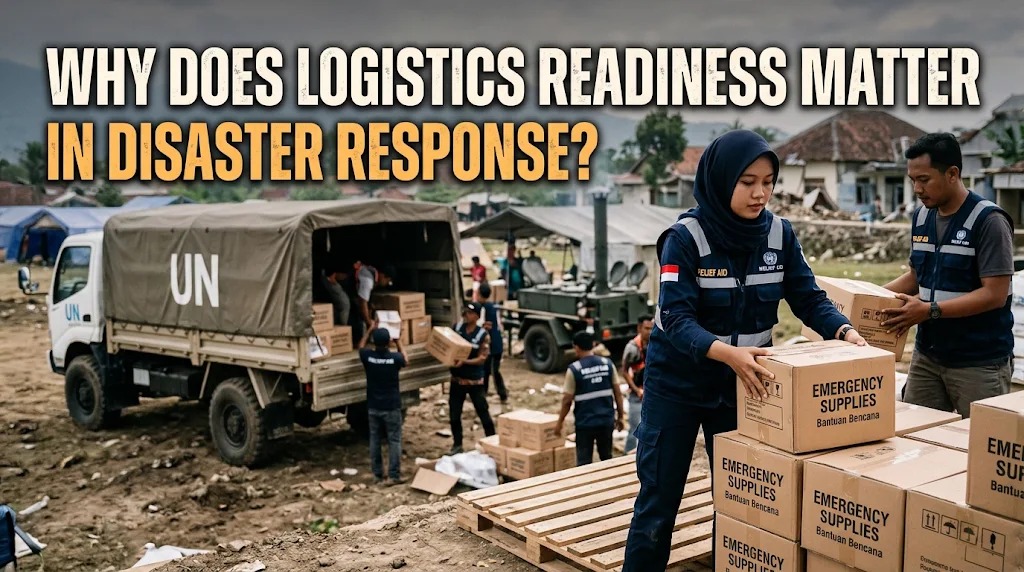
Disasters such as earthquakes, floods, landslides, and volcanic eruptions can disrupt transportation, damage infrastructure, and interrupt access to essential supplies. When communities are affected, emergency teams must deliver food, clean water, medicine, shelter materials, and other necessities as quickly as possible. Without proper preparation, these supplies may arrive late or fail to reach people who need them most.
Logistics readiness plays an important role in ensuring that disaster response activities run efficiently. It involves preparing supplies, transportation, storage facilities, communication systems, and distribution plans before an emergency occurs. Strong logistics preparation helps emergency organizations respond faster, use resources effectively, and support communities throughout the recovery process.
ENSURING THE AVAILABILITY OF ESSENTIAL SUPPLIES
One of the main reasons logistics readiness matters is that disaster victims need immediate access to basic necessities. Food, drinking water, medicine, blankets, hygiene products, and emergency equipment must be available when regular supply systems are disrupted.
Emergency organizations can prepare by identifying essential items, estimating potential needs, and maintaining appropriate stock levels. Supplies should be stored in locations that are accessible and protected from possible hazards. Regular inventory checks also help ensure that items are usable, properly packaged, and not expired when an emergency occurs.
SPEEDING UP EMERGENCY DISTRIBUTION
The speed of supply distribution can influence the effectiveness of disaster response operations. Delays in delivering food, medicine, and clean water may increase health risks and make difficult conditions worse for affected communities.
Prepared logistics systems help organizations identify distribution points, assign responsibilities, and establish delivery procedures in advance. Emergency teams can use these plans to organize supplies and transport them to affected locations more efficiently. Clear coordination also reduces confusion when several organizations are involved in the response.
SUPPORTING TRANSPORTATION AND ACCESSIBILITY
Disasters can damage roads, bridges, ports, and other transportation infrastructure. Flooding may block major routes, while landslides can isolate settlements in mountainous regions. These conditions make it difficult to transport emergency supplies using normal delivery methods.
Logistics readiness includes identifying alternative transportation routes and preparing suitable vehicles or equipment. Depending on local conditions, emergency organizations may need trucks, boats, motorcycles, or helicopters to reach affected locations. Mapping vulnerable routes before a disaster helps response teams prepare alternative access plans.
IMPROVING WAREHOUSE AND INVENTORY MANAGEMENT
Warehouses and storage facilities help maintain emergency supplies until they are needed. Their locations should be selected carefully to reduce exposure to hazards and allow quick access to affected communities.
Effective inventory management helps organizations monitor available quantities, expiration dates, storage conditions, and distribution records. Digital inventory systems can make it easier to track supplies and identify shortages. Proper storage also prevents damage, contamination, and unnecessary waste, ensuring that emergency resources remain ready for use.
STRENGTHENING COORDINATION BETWEEN RESPONSE ORGANIZATIONS
Disaster response often involves government agencies, humanitarian organizations, health services, volunteers, and private companies. Without coordination, different groups may deliver the same supplies to one location while other communities receive insufficient assistance.
Logistics readiness encourages organizations to establish communication channels, define responsibilities, and share information about available resources. Coordination meetings and joint emergency exercises can help identify operational problems before a real disaster occurs. A shared understanding of supply needs and distribution priorities makes emergency operations more organized.
PRIORITIZING VULNERABLE COMMUNITIES
Some groups require additional support during disasters, including children, older adults, pregnant women, people with disabilities, and individuals with medical needs. Logistics plans should consider their specific requirements when preparing and distributing emergency supplies.
For example, distribution centers may need accessible facilities, essential medicines, infant nutrition products, and appropriate sanitation supplies. Emergency organizations should also identify isolated settlements that may be overlooked because of difficult transportation access. Prioritizing vulnerable communities helps ensure that assistance reaches people according to their needs.
REDUCING OPERATIONAL COSTS AND RESOURCE WASTE
Poor logistics planning can lead to unnecessary transportation expenses, duplicated deliveries, damaged supplies, and inefficient storage. These problems reduce the resources available for emergency assistance.
Prepared logistics systems help organizations estimate demand, select suitable transportation methods, and distribute supplies according to priority. Accurate inventory records also reduce the risk of overstocking or shortages. By managing resources carefully, response organizations can use limited emergency budgets more effectively.
USING TECHNOLOGY FOR LOGISTICS MONITORING
Technology can improve the management of emergency supplies and transportation activities. Digital inventory systems, GPS tracking, and communication platforms allow organizations to monitor stock levels, vehicle movements, and delivery progress.
Geographic Information Systems (GIS) can also help identify affected locations, accessible routes, warehouses, and distribution centers. When combined with updated disaster information, these tools support better decisions about where supplies should be sent. However, technology must be supported by trained personnel and alternative communication methods in case electricity or internet services become unavailable.
PREPARING THROUGH TRAINING AND SIMULATION
Logistics plans are more effective when personnel understand how to implement them. Training helps staff and volunteers learn about inventory procedures, supply handling, transportation coordination, and emergency distribution.
Simulation exercises allow organizations to test their logistics systems under realistic conditions. These activities can reveal weaknesses, such as insufficient supplies, unclear responsibilities, or inaccessible storage locations. Evaluating the results helps organizations improve their procedures and become better prepared for actual emergencies.
CONCLUSION
Logistics readiness matters in disaster response because it ensures that essential supplies, transportation, storage facilities, and distribution systems are prepared before emergencies occur. It helps response organizations deliver assistance more quickly, coordinate their activities, and manage limited resources effectively.
Strong logistics preparation also supports vulnerable communities and reduces delays caused by damaged infrastructure or disrupted supply chains. Through proper planning, inventory management, technology, and regular training, disaster response organizations can improve their ability to protect lives and support affected communities.
Recent Posts

Bagaimana Sistem SKS pada Program Kuliah... 22.11.2026/37 View

How Does Technology Make Daily Evaluation... 21.11.2026/70 View

Apa Strategi Menghadapi Kesenjangan antara Kompetensi... 21.11.2026/73 View

Mengapa Inventaris Aset Penting bagi Kelancaran... 21.11.2026/68 View

When Should Musicians Join a Record... 21.11.2026/71 View
