

Why Does Personal Presentation Influence How Others Perceive You?
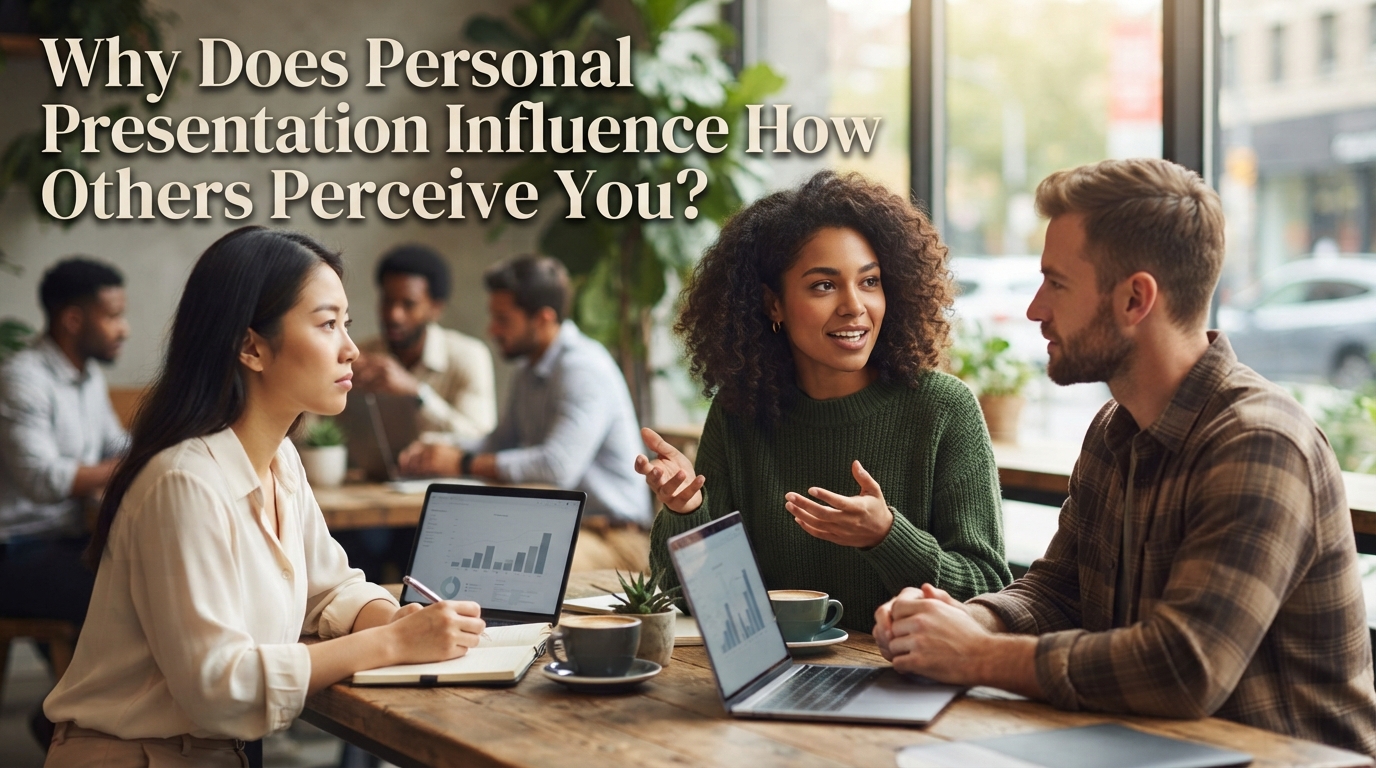
Personal presentation plays an important role in shaping how others see and evaluate an individual. It refers to the way people express themselves through physical appearance, communication, attitudes, body language, and everyday behavior. When meeting someone for the first time, people often form initial impressions based on visible actions and the way that person interacts with others. These impressions can influence social relationships, educational experiences, and professional opportunities. Therefore, understanding how personal presentation influences people's perceptions can help individuals develop a positive image, build confidence, and maintain better relationships.
1. CREATING A POSITIVE FIRST IMPRESSION
Personal presentation influences how people form their first impressions during social and professional interactions. Physical appearance, facial expressions, clothing, and communication styles are among the elements people may notice when meeting someone. Wearing clean and appropriate clothing can communicate that an individual pays attention to personal hygiene and the situation. A friendly smile and polite greeting can also make others feel more comfortable. A positive first impression can create an opportunity for better communication and future relationships.
However, first impressions are not always accurate because people have different experiences, expectations, and perspectives. Someone who appears quiet may simply feel nervous rather than unfriendly. For this reason, individuals should avoid judging others based only on their appearance or initial behavior. A positive presentation should be supported by consistent actions and genuine character. This helps create a more trustworthy image over time.
2. REFLECTING PERSONALITY AND CHARACTER
The way individuals present themselves can communicate aspects of their personality and character. People who behave politely, communicate respectfully, and show consideration for others may be perceived as approachable and responsible. Meanwhile, individuals who frequently interrupt conversations or behave disrespectfully may create a negative impression. These everyday actions provide information about how someone interacts with the surrounding environment. Personal behavior therefore plays an important role in shaping social perceptions.
Self-presentation should also reflect genuine personal values rather than an artificial image. Honesty, discipline, kindness, and responsibility are qualities that can be demonstrated through consistent actions. People are more likely to trust someone whose behavior matches their words. Although individuals may adjust their communication styles to different situations, they should remain authentic. A strong personal image develops when positive character is reflected in everyday behavior.
3. INFLUENCING TRUST AND CREDIBILITY
Trust is an important foundation of healthy personal and professional relationships. Personal presentation can influence whether others initially consider someone reliable and responsible. For example, individuals who communicate clearly, keep their promises, and show respect may create a stronger sense of credibility. In professional environments, these qualities can influence how colleagues, supervisors, and clients interact with them. Trust and credibility develop when individuals demonstrate consistency between their words and actions.
Maintaining trust requires more than creating a good appearance during the first meeting. People need to demonstrate honesty, fulfill their responsibilities, and communicate openly when problems occur. Making unrealistic promises or providing misleading information can damage credibility. On the other hand, admitting mistakes and taking responsibility can strengthen professional relationships. Consistent and responsible behavior helps maintain a positive personal reputation.
4. COMMUNICATING CONFIDENCE AND SELF-RESPECT
Personal presentation can influence how others perceive an individual's confidence. Speaking clearly, maintaining appropriate eye contact, and using relaxed body language can communicate that someone feels comfortable expressing themselves. Wearing suitable clothing and maintaining personal hygiene may also help individuals feel more prepared for different situations. These habits can create a positive impression during interviews, presentations, meetings, and social activities. Self-confidence helps individuals communicate their ideas without feeling unnecessarily intimidated.
Confidence, however, should not be confused with arrogance or the desire to dominate others. A confident person can express opinions while remaining open to feedback and different perspectives. Showing humility and respecting other people's contributions are equally important. Individuals should recognize their strengths without exaggerating their abilities. This balance helps create an impression of confidence, maturity, and self-respect.
5. AFFECTING SOCIAL AND PROFESSIONAL RELATIONSHIPS
The way people present themselves can influence the quality of their relationships. Individuals who communicate politely, listen carefully, and show genuine interest are often easier to approach. These behaviors encourage meaningful conversations and help people feel respected. In educational environments, positive self-presentation can support teamwork and cooperation among students. In professional settings, it can help establish productive relationships with colleagues, supervisors, and business partners.
Interpersonal skills become particularly important when individuals interact with people who have different backgrounds and perspectives. Respecting opinions, managing disagreements calmly, and understanding personal boundaries can prevent unnecessary conflicts. People who demonstrate these qualities are more likely to create comfortable social environments. Good relationships also require mutual effort, so individuals should not focus only on how they are perceived. Building connections through respect and cooperation is more valuable than simply trying to impress others.
6. SUPPORTING CAREER OPPORTUNITIES AND PROFESSIONAL GROWTH
Personal presentation can influence how employers and professional networks initially evaluate job candidates. During recruitment, interviewers may consider a candidate's communication skills, appearance, attitude, and professional behavior alongside their qualifications. Candidates who introduce themselves clearly and answer questions respectfully may communicate greater readiness for the position. Appropriate clothing and punctuality can also demonstrate preparation and professionalism. Professional image is therefore an important part of presenting qualifications effectively.
For students and fresh graduates, developing good self-presentation habits can support career preparation. Participating in internships, campus organizations, seminars, and professional events provides opportunities to practice these skills. Maintaining a responsible attitude and communicating effectively can also help individuals build useful professional connections. However, personal presentation cannot replace relevant knowledge, experience, or technical abilities. The strongest professional image combines a positive attitude with genuine competence.
7. SHAPING YOUR DIGITAL REPUTATION
Personal presentation is no longer limited to face-to-face interactions because digital platforms also influence how people perceive one another. Social media profiles, online comments, photographs, and shared information can contribute to an individual's public image. Employers, colleagues, and professional contacts may sometimes review publicly available online information when learning about someone. Therefore, sharing appropriate content and communicating respectfully online are important habits. Digital reputation has become an important part of modern personal presentation.
Individuals should think carefully before publishing information that could affect their personal or professional image. Avoid sharing offensive comments, misleading information, or private details about other people without permission. Maintaining a professional profile and highlighting relevant achievements can also support career development. However, people should remain authentic rather than creating an unrealistic online identity. Responsible digital behavior helps maintain a positive reputation across different environments.
CONCLUSION
Personal presentation influences how others perceive individuals because it communicates their appearance, personality, attitudes, and behavior. It can affect first impressions, trust, confidence, social relationships, professional opportunities, and digital reputation. However, a positive personal image should not depend only on physical appearance or the desire to impress others. Honesty, respect, consistency, and genuine character are equally important in building a trustworthy reputation. By improving communication skills and maintaining positive daily habits, individuals can present themselves more effectively and develop stronger personal and professional relationships.
Recent Posts

How Does Technology Make Daily Evaluation... 21.11.2026/55 View

Apa Strategi Menghadapi Kesenjangan antara Kompetensi... 21.11.2026/57 View

Mengapa Inventaris Aset Penting bagi Kelancaran... 21.11.2026/51 View

When Should Musicians Join a Record... 21.11.2026/52 View

Daily Evaluation or Daily Planning Which... 21.11.2026/59 View
