

Why Does Physical Appearance Attract Negative Judgments?
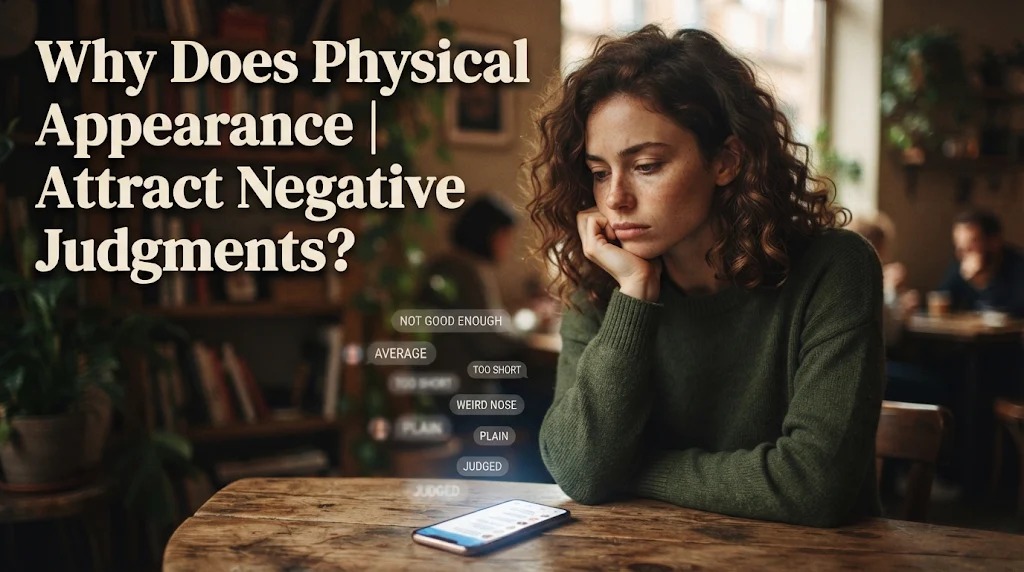
Physical appearance is often one of the first things people notice when meeting someone. Clothing, hairstyle, body shape, facial features, and personal style can influence initial impressions before people have the opportunity to understand someone's personality or character. Unfortunately, these observations sometimes turn into negative judgments, unfair comparisons, or hurtful comments.
Judging someone based on appearance can happen in everyday conversations, social environments, workplaces, and online communities. Some people criticize others because of beauty standards, personal preferences, stereotypes, or social pressure. Understanding why appearance attracts negative judgments can help individuals recognize these behaviors, develop healthier perspectives, and avoid allowing other people's opinions to determine their self-worth.
THE INFLUENCE OF SOCIAL BEAUTY STANDARDS
One major reason physical appearance attracts negative judgments is the influence of beauty standards. Society often promotes certain ideas about what an attractive person should look like. These expectations may involve body shape, skin condition, facial features, hairstyle, clothing, and other physical characteristics.
People who do not match these standards may experience unwanted comments or unfair comparisons. However, beauty standards differ across cultures, communities, and generations. What one group considers attractive may not be equally valued by another. This shows that physical attractiveness is influenced by social expectations rather than being determined by one universal definition.
THE HABIT OF COMPARING PEOPLE
Social comparison can encourage individuals to judge other people's appearances. People frequently compare themselves with friends, celebrities, influencers, or individuals they see on social media. These comparisons can create unrealistic expectations about how someone should look.
In some situations, people transfer their personal standards to others and criticize anyone who appears different. They may comment on someone's weight, clothing, hairstyle, or facial features without considering the emotional impact. This habit can make appearance-based judgment seem normal, even though it can damage confidence and relationships.
INSECURITY AND PERSONAL DISSATISFACTION
Personal insecurity may also influence how someone judges other people's physical appearance. Individuals who feel dissatisfied with themselves may become overly focused on the perceived imperfections of others. Criticizing someone else's appearance can sometimes provide temporary feelings of superiority or distraction from personal concerns.
However, insecurity does not explain every negative comment. Some people judge others because of learned behavior, social pressure, prejudice, or a lack of awareness. Regardless of the reason, personal dissatisfaction does not justify humiliating someone based on physical characteristics.
THE INFLUENCE OF SOCIAL MEDIA
Social media has increased exposure to photographs, videos, beauty trends, and carefully selected images. Many users regularly encounter content that presents highly polished appearances as ordinary or desirable. Filters, editing tools, professional lighting, and carefully arranged photographs can also create unrealistic expectations.
These conditions may encourage people to evaluate others based on visual impressions. Comment sections can become spaces where users openly criticize someone's body, face, clothing, or personal style. Because online interactions sometimes lack direct personal contact, certain individuals may feel less responsible for the effects of their words.
STEREOTYPES AND FIRST IMPRESSIONS
People sometimes make assumptions about personality, intelligence, confidence, or professional ability based on physical appearance. This tendency is connected to appearance-based stereotyping, in which visible characteristics influence judgments that are not supported by meaningful evidence.
For example, someone may assume that a person wearing casual clothing is irresponsible or that someone with a particular body type has certain personality traits. These assumptions can influence social relationships, educational experiences, and workplace opportunities. A person's appearance, however, cannot reliably establish their character, abilities, or personal values.
PEER PRESSURE AND SOCIAL ACCEPTANCE
The desire to fit into a particular social group can influence how people discuss physical appearance. Some individuals criticize others because their friends make similar comments or because they believe negative judgments will help them gain acceptance. In certain environments, making jokes about someone's appearance may even become a way to seek attention.
When this behavior is repeatedly accepted, people may stop recognizing how harmful it can be. Individuals who are targeted may feel pressured to change their appearance simply to avoid criticism. A healthier social environment encourages acceptance and discourages comments that make people feel inferior.
LACK OF EMPATHY AND AWARENESS
Another reason appearance-based judgment continues is a lack of empathy. Some people focus on their own opinions without considering how their comments might affect someone else's confidence or emotional well-being. They may believe that criticizing someone's appearance is harmless, particularly when they describe it as a joke.
However, the impact of a comment depends on its context, frequency, and intention, as well as how the recipient experiences it. Repeated insults and humiliation can become a form of bullying. Developing empathy means recognizing that people have different experiences and that physical differences should not become reasons for disrespect.
THE EFFECTS OF NEGATIVE JUDGMENTS ON SELF-CONFIDENCE
Repeated criticism about physical appearance can influence how individuals view themselves. Someone who frequently receives negative comments may become uncomfortable with their body, clothing choices, or facial features. They may also begin questioning their attractiveness or feeling that they must meet other people's expectations to be accepted.
These experiences can affect social confidence and everyday behavior. Some individuals may avoid photographs, public activities, or social gatherings because they fear being judged. Others may become excessively focused on changing their appearance. Although reactions vary, repeated appearance-based criticism should not be dismissed as ordinary teasing.
HOW TO RESPOND TO NEGATIVE COMMENTS ABOUT APPEARANCE
Handling negative judgments requires emotional awareness and healthy boundaries. People do not have to accept every opinion about their appearance, especially when comments become disrespectful or repeatedly target personal characteristics. Learning how to respond can help protect confidence without creating unnecessary conflict.
Several practical approaches include:
- Recognize personal worth: Remember that physical appearance does not determine intelligence, character, abilities, or overall value.
- Set clear boundaries: Explain calmly that comments about your body or facial features are inappropriate.
- Avoid unnecessary comparisons: Focus on personal growth rather than trying to meet every beauty standard.
- Limit harmful online interactions: Block or report accounts that repeatedly post insulting or harassing comments.
- Surround yourself with supportive people: Build relationships with individuals who respect differences and appreciate personal qualities.
- Practice self-acceptance: Develop a healthier relationship with your appearance without making external approval the main priority.
If appearance-based harassment becomes persistent or seriously affects emotional well-being, seeking support from trusted people or a qualified professional can also be helpful.
CONCLUSION
Physical appearance attracts negative judgments because of beauty standards, social comparisons, personal insecurity, stereotypes, peer pressure, and the influence of social media. These factors can encourage people to form opinions about others without understanding their personalities, experiences, or abilities.
However, appearance does not determine someone's worth or potential. Everyone has different physical characteristics, preferences, and circumstances. By developing empathy, questioning unrealistic beauty standards, and setting healthy boundaries, individuals can help create a more respectful environment where people are valued for more than how they look.
Recent Posts

Bagaimana Sistem SKS pada Program Kuliah... 22.11.2026/25 View

How Does Technology Make Daily Evaluation... 21.11.2026/64 View

Apa Strategi Menghadapi Kesenjangan antara Kompetensi... 21.11.2026/65 View

Mengapa Inventaris Aset Penting bagi Kelancaran... 21.11.2026/62 View

When Should Musicians Join a Record... 21.11.2026/61 View
