

Why Does Self Presentation Matter for Building Self Confidence?
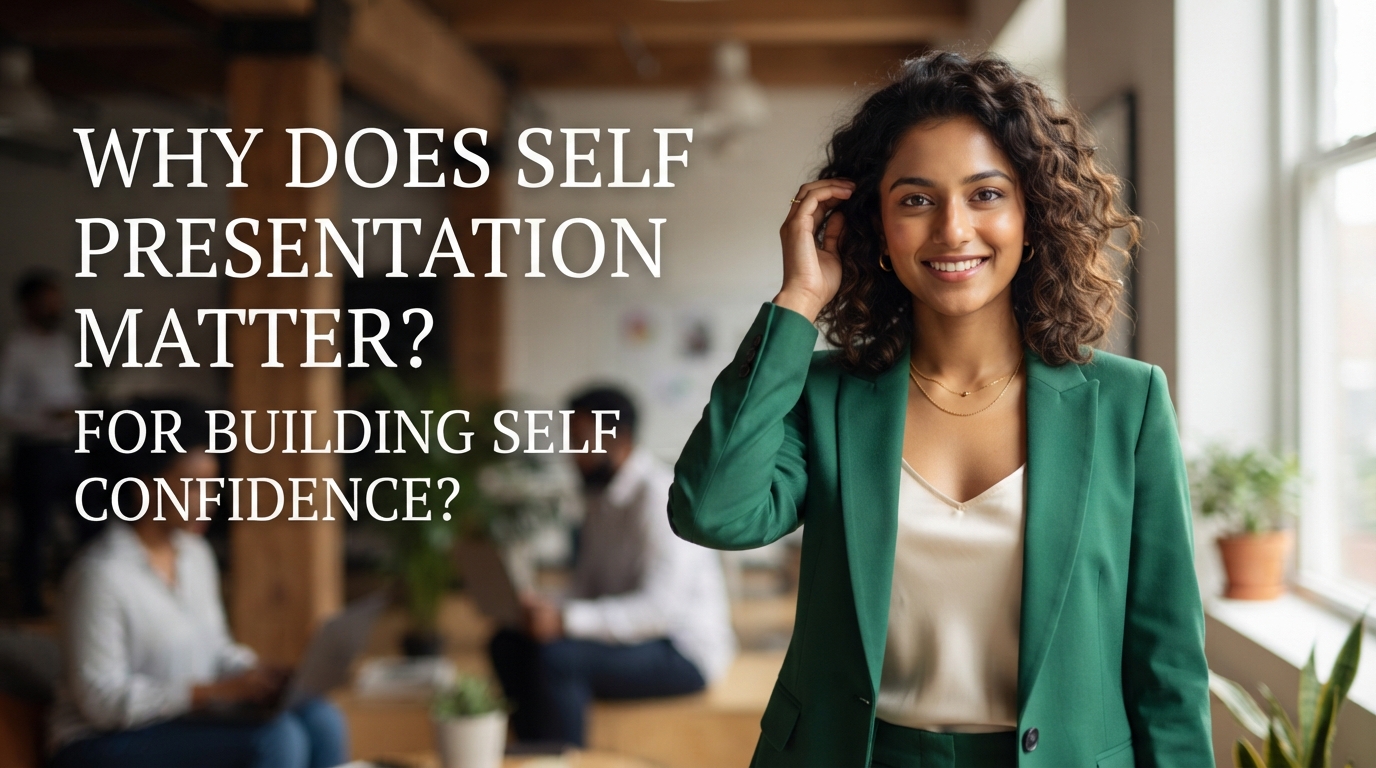
Self-presentation plays an important role in developing self-confidence because it influences how individuals express themselves and interact with other people. In everyday life, people communicate their personalities through appearance, behavior, body language, and speaking styles. These elements can affect how others perceive them and how they feel about themselves. When individuals learn to present themselves appropriately, they often become more comfortable expressing their thoughts, sharing ideas, and participating in social activities. Therefore, self-presentation is not only about creating a positive impression but also about developing confidence and a stronger sense of personal identity.
WHAT IS THE RELATIONSHIP BETWEEN SELF-PRESENTATION AND SELF-CONFIDENCE?
Self-presentation refers to the way individuals show their personalities, characteristics, and personal qualities to others. It includes how they dress, communicate, behave, and respond in different situations. Meanwhile, self-confidence is the belief in one's abilities, decisions, and personal value. Although these concepts have different meanings, they are closely connected because the way people express themselves can influence how they feel about their own abilities. For example, someone who communicates clearly and behaves confidently may gradually become more comfortable interacting with others.
A positive self-presentation can encourage individuals to recognize their strengths and develop a better understanding of themselves. When people feel comfortable with their appearance, communication, and behavior, they may become more willing to participate in social activities. However, self-confidence should not depend entirely on other people's opinions or approval. True confidence develops when individuals accept themselves and understand that personal growth is a continuous process. Combining authentic self-presentation with self-acceptance can help create a healthier and more stable sense of confidence.
HOW DOES SELF-PRESENTATION HELP BUILD SELF-CONFIDENCE?
Self-presentation helps build self-confidence by encouraging individuals to become more aware of how they express themselves. When someone practices positive communication, maintains appropriate body language, and behaves respectfully, they can feel more prepared to face different social situations. These habits also make it easier to communicate with new people and express personal opinions. For example, a student who regularly practices speaking in front of classmates may gradually become less nervous during presentations. Through repeated experiences, individuals can recognize their progress and develop greater confidence.
In addition, positive self-presentation encourages people to focus on their abilities rather than constantly comparing themselves with others. Understanding personal strengths can make individuals more comfortable with their identity and decisions. They also learn that mistakes are normal and do not determine their entire personal value. Instead of avoiding challenges, confident individuals are more willing to learn from new experiences. As a result, consistent positive self-presentation can support personal growth and strengthen self-belief.
THE ROLE OF PERSONAL APPEARANCE IN DEVELOPING CONFIDENCE
Personal appearance can influence how individuals feel when interacting with others. Wearing clean, neat, and appropriate clothing can make people feel more comfortable and prepared for social situations. Maintaining personal hygiene also demonstrates self-respect and awareness of one's surroundings. These simple habits do not require expensive products or fashionable clothing. The most important factors are cleanliness, comfort, and suitability for the occasion.
However, confidence should not depend only on physical appearance. Every individual has different characteristics, and comparing personal appearance with unrealistic standards can reduce self-esteem. People should focus on taking care of themselves rather than trying to meet every expectation of others. Accepting personal differences and appreciating individual qualities can create a healthier relationship with one's appearance. Self-acceptance and personal care are more valuable for long-term confidence than seeking perfection.
HOW DOES EFFECTIVE COMMUNICATION INCREASE SELF-CONFIDENCE?
Effective communication is an important part of self-presentation because it allows individuals to express their thoughts and feelings clearly. People who develop good communication skills may feel more comfortable participating in conversations, asking questions, and sharing opinions. Speaking politely and choosing appropriate words can also help prevent misunderstandings. In educational and professional environments, clear communication makes it easier to explain ideas and cooperate with others. These experiences can gradually strengthen confidence in social interactions.
Listening is equally important because effective communication involves understanding other people, not just speaking. Individuals should practice maintaining appropriate eye contact, using a friendly tone, and paying attention when someone is talking. They can also improve their confidence by practicing conversations and public speaking in comfortable environments. Although mistakes may happen, every interaction provides an opportunity to learn. Strong communication skills help individuals express themselves with greater confidence and develop meaningful relationships.
WHY IS BODY LANGUAGE IMPORTANT FOR SELF-CONFIDENCE?
Body language is an important element of self-presentation because it communicates feelings and attitudes without requiring spoken words. Facial expressions, posture, gestures, and eye contact can influence how people interpret social interactions. For example, maintaining a relaxed posture and showing natural facial expressions can make someone appear more approachable. Appropriate eye contact can also demonstrate attention and interest during conversations. Practicing positive body language may help individuals feel more prepared when communicating with others.
Body language can also influence personal feelings and behavior. When individuals practice standing comfortably, avoiding unnecessary movements, and maintaining a calm expression, they may become more aware of their presence. However, confidence does not mean forcing certain gestures or maintaining constant eye contact. Cultural differences and personal comfort should always be considered. The goal is to develop natural and appropriate body language that supports clear communication and genuine self-expression.
HOW DOES SELF-PRESENTATION INFLUENCE SOCIAL RELATIONSHIPS?
Positive self-presentation can help individuals establish better relationships by creating an atmosphere of trust and mutual respect. People generally appreciate interactions that involve friendliness, honesty, and good manners. Simple actions such as greeting others, listening carefully, and showing appreciation can make conversations more comfortable. These behaviors also demonstrate that individuals value the people around them. As a result, positive self-presentation can support stronger friendships and healthier social connections.
Furthermore, positive relationships can contribute to the development of self-confidence. When individuals feel accepted and respected, they may become more comfortable expressing their ideas and personalities. Supportive friends and colleagues can also provide encouragement when someone faces difficulties. However, people should not change their identity simply to gain acceptance from a particular social group. Healthy relationships should encourage authenticity, mutual respect, and personal growth.
WHAT FACTORS CAN REDUCE SELF-CONFIDENCE IN SELF-PRESENTATION?
Several factors can make individuals feel less confident when presenting themselves. One common factor is fear of judgment, which causes people to worry excessively about how others perceive their appearance, behavior, or opinions. Negative experiences, such as criticism, embarrassment, or rejection, can also make someone hesitant to participate in social situations. In addition, constantly comparing personal achievements or appearance with others may create feelings of inadequacy. These experiences can prevent individuals from expressing themselves naturally.
Another factor is the pressure to meet unrealistic social expectations, especially through social media. People may feel that they must always look attractive, successful, or popular to receive approval. This mindset can create unnecessary stress and reduce self-acceptance. To overcome these challenges, individuals should focus on personal improvement rather than external validation. Learning to accept mistakes, recognize achievements, and establish realistic expectations can help rebuild self-esteem and confidence.
PRACTICAL WAYS TO IMPROVE SELF-PRESENTATION AND SELF-CONFIDENCE
Improving self-presentation begins with developing positive habits in everyday life. Individuals can start by maintaining personal hygiene, choosing appropriate clothing, and practicing clear communication. They should also learn to recognize their strengths and accept areas that still need improvement. Setting small and realistic goals can make personal development easier to manage. For example, someone who feels nervous speaking in public can begin by expressing opinions in small group discussions before moving to larger audiences.
Another effective approach is to practice self-reflection and learn from everyday experiences. Individuals can evaluate how they communicate, respond to criticism, and interact with different people. Seeking constructive feedback from trusted friends, teachers, or colleagues can also reveal areas for improvement. Most importantly, people should avoid expecting immediate results because confidence develops gradually through practice and experience. Consistency, self-awareness, and self-acceptance are essential for building positive self-presentation and lasting confidence.
CONCLUSION
Self-presentation matters for building self-confidence because it helps individuals understand their personal qualities and express themselves more effectively. Through appropriate appearance, positive body language, effective communication, and respectful behavior, people can become more comfortable in different social situations. These habits also support better relationships and encourage personal development. However, true confidence does not come from trying to impress everyone or seeking constant approval. It develops through self-acceptance, genuine behavior, and the willingness to improve continuously. By practicing positive self-presentation, individuals can build stronger confidence and face everyday challenges with a more positive attitude.
Recent Posts

How Does Technology Make Daily Evaluation... 21.11.2026/55 View

Apa Strategi Menghadapi Kesenjangan antara Kompetensi... 21.11.2026/57 View

Mengapa Inventaris Aset Penting bagi Kelancaran... 21.11.2026/52 View

When Should Musicians Join a Record... 21.11.2026/52 View

Daily Evaluation or Daily Planning Which... 21.11.2026/59 View
