

Why Does Spending Prioritization Matter in Budget Allocation?
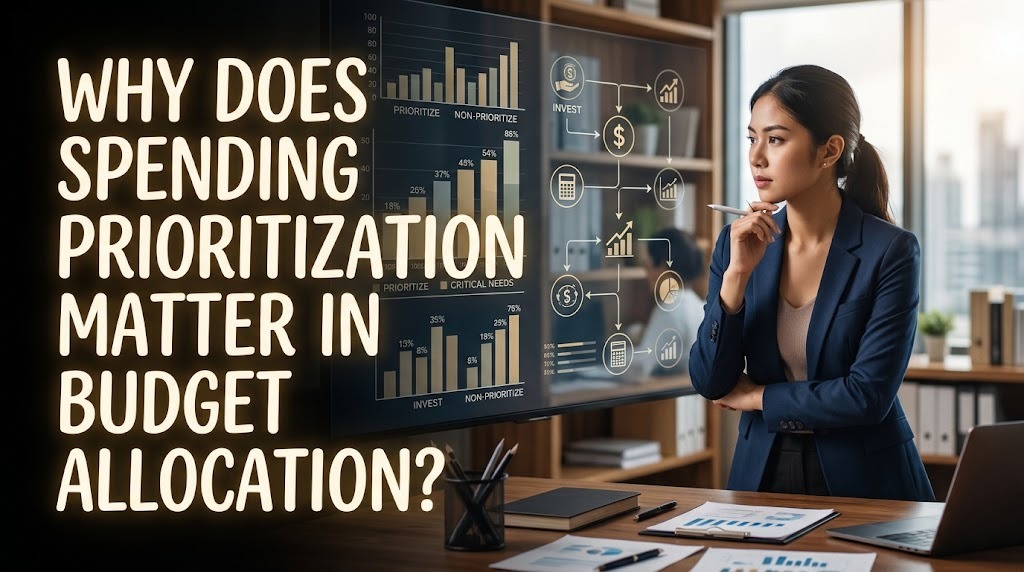
Managing money effectively requires careful decisions about how available funds should be distributed. Whether for individuals, businesses, or organizations, financial resources are often limited while expenses continue to increase. Without clear priorities, money can be spent on less important activities, leaving essential needs underfunded.
Spending prioritization helps determine which expenses should receive funding first based on their importance, urgency, and contribution to financial goals. When applied to budget allocation, this approach supports better financial control, reduces unnecessary spending, and helps ensure that available resources are used efficiently.
ENSURING ESSENTIAL NEEDS RECEIVE FUNDING
One important reason for prioritizing spending is to ensure that essential expenses are covered before optional purchases. These expenses may include food, housing, utilities, employee salaries, raw materials, and operational costs.
By identifying essential financial obligations, individuals and businesses can avoid situations where important payments are delayed because money has been used for less necessary activities. This approach creates a more organized spending structure and supports the continuity of daily activities.
PREVENTING UNNECESSARY EXPENDITURES
Without spending priorities, individuals and organizations may purchase products or services that provide limited benefits. Small unnecessary expenses can accumulate and reduce the amount of money available for more important purposes.
Prioritization encourages people to evaluate whether a purchase is necessary before allocating funds. Businesses can also establish approval procedures for expenses that exceed predetermined limits. These practices help reduce impulsive spending and improve overall budget discipline.
SUPPORTING BETTER FINANCIAL DECISIONS
Budget allocation involves choosing how limited resources should be distributed among different needs. Spending prioritization provides a clear basis for making these decisions.
For example, a business may need to choose between upgrading essential production equipment and purchasing additional office decorations. By considering operational impact and expected benefits, management can direct funds toward activities that support business performance. This makes financial decisions more objective and aligned with organizational goals.
MAINTAINING FINANCIAL STABILITY
Financial stability depends on the ability to meet obligations without experiencing excessive financial pressure. Prioritizing expenses helps individuals and businesses maintain sufficient funds for recurring payments, savings, and unexpected costs.
When essential expenses are funded first, the risk of missed payments and financial shortages can be reduced. Businesses can also maintain better cash flow by ensuring that money is available for important operational requirements.
IMPROVING BUDGET CONTROL AND MONITORING
Clear spending priorities make it easier to compare planned expenditures with actual spending. Individuals and financial managers can monitor whether money is being used according to established priorities.
If certain expenses exceed their allocated budgets, they can investigate the reasons and determine whether adjustments are necessary. Regular monitoring also helps identify spending patterns that may create financial problems over time.
HELPING BUSINESSES ACHIEVE THEIR OBJECTIVES
Businesses need to distribute their budgets across departments and activities that contribute to organizational performance. These may include production, marketing, technology, employee development, and customer service.
Spending prioritization helps management determine which activities require immediate financial support and which can be postponed. For instance, a company experiencing production delays may need to prioritize equipment maintenance over less urgent administrative purchases. This ensures that financial resources support important business objectives.
PREPARING FOR UNEXPECTED EXPENSES
Unexpected financial situations can occur at any time. Individuals may face medical expenses or urgent repairs, while businesses may experience equipment failures, supply disruptions, or sudden increases in operating costs.
Spending prioritization encourages individuals and organizations to include emergency savings in their financial plans. Setting aside funds for unexpected situations can reduce the need for emergency borrowing and help protect essential financial commitments.
ENCOURAGING LONG-TERM FINANCIAL PLANNING
Spending priorities should consider both immediate needs and future financial goals. Focusing entirely on short-term expenses may leave insufficient resources for education, retirement, business expansion, or investment.
By including long-term objectives in budget allocation, individuals and businesses can distribute funds more strategically. This approach helps balance current responsibilities with future opportunities and reduces the risk of sacrificing important goals for temporary spending.
CONCLUSION
Spending prioritization matters in budget allocation because it helps individuals and businesses direct limited financial resources toward their most important needs. It supports essential payments, prevents unnecessary expenditures, improves financial monitoring, and strengthens overall financial stability.
By evaluating expenses based on urgency, importance, and expected benefits, financial decision-makers can create more effective budgets. Consistent prioritization also helps maintain a balance between daily responsibilities and long-term financial objectives.
Recent Posts

Bagaimana Sistem SKS pada Program Kuliah... 22.11.2026/45 View

How Does Technology Make Daily Evaluation... 21.11.2026/73 View

Apa Strategi Menghadapi Kesenjangan antara Kompetensi... 21.11.2026/75 View

Mengapa Inventaris Aset Penting bagi Kelancaran... 21.11.2026/71 View

When Should Musicians Join a Record... 21.11.2026/75 View
