

Why Does Success Often Attract Negative Comments?
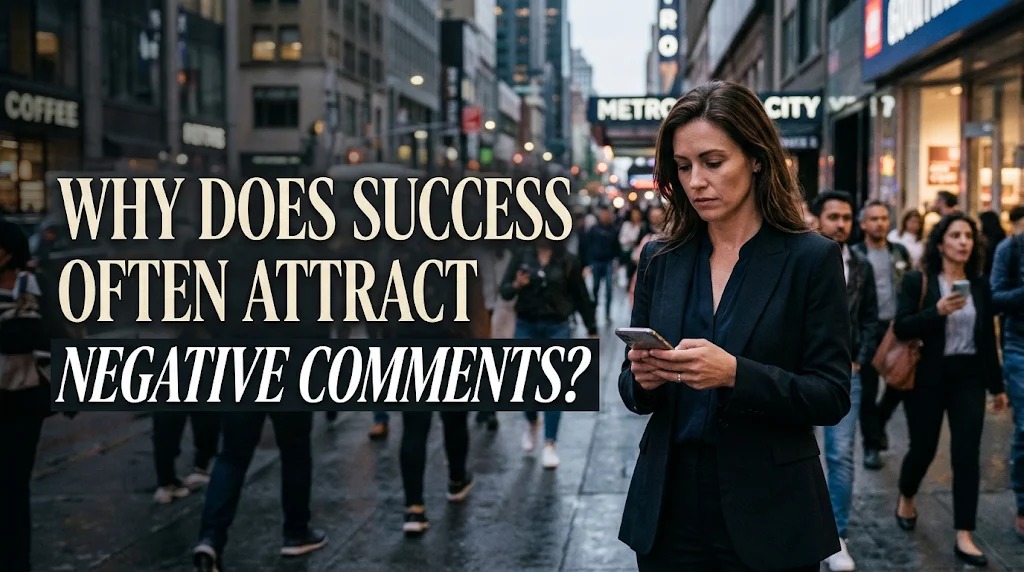
Success is often associated with achievement, recognition, and personal growth. However, reaching important milestones does not always result in positive reactions from everyone. Some people may respond with criticism, sarcastic remarks, jealousy, or negative assumptions when they see someone making progress. This situation can happen in education, careers, business, relationships, and everyday social interactions.
Negative comments about successful people can come from different personal and social factors. Feelings of jealousy, insecurity, competition, and misunderstandings may influence how individuals respond to someone else's achievements. Understanding these reasons can help people deal with criticism without allowing it to interfere with their confidence or motivation.
JEALOUSY TOWARD OTHER PEOPLE'S ACHIEVEMENTS
Jealousy is one possible reason success attracts negative comments. When someone achieves something that another person wants, it may create feelings of dissatisfaction or comparison. Instead of appreciating the achievement, some individuals may focus on finding weaknesses in the successful person's journey.
For example, a student who receives an award may face comments suggesting that the achievement was based on luck rather than effort. Such reactions can occur when people struggle to accept someone else's progress. Recognizing jealousy as a possible influence helps explain why not every achievement receives encouragement.
FEELING INSECURE ABOUT PERSONAL PROGRESS
Seeing another person succeed can remind individuals of goals they have not yet achieved. This comparison may create insecurity, especially when they feel dissatisfied with their own circumstances.
Rather than using another person's progress as motivation, they may respond with criticism. Pointing out someone else's weaknesses can temporarily make them feel less inferior. However, this reaction does not improve their own situation or contribute to personal development.
SOCIAL COMPARISON AND COMPETITION
People naturally compare themselves with others in different areas of life, including education, income, appearance, and professional achievements. These comparisons can sometimes create healthy motivation, but they may also develop into unhealthy competition.
When success is viewed as a contest, another person's achievement may be interpreted as a personal disadvantage. This mindset can encourage negative comments, unnecessary rivalry, and attempts to diminish someone else's accomplishments.
ASSUMING SUCCESS COMES FROM LUCK
People often see the final result without understanding the effort behind it. They may notice a promotion, business achievement, academic award, or financial improvement without knowing the challenges involved.
As a result, some individuals assume that success happened because of luck, connections, or special treatment. Although external opportunities can influence outcomes, dismissing someone's effort without sufficient information creates an unfair judgment.
FEELING THREATENED BY SOMEONE ELSE'S PROGRESS
In certain situations, another person's success may create concerns about competition. This can happen in workplaces, businesses, academic environments, or organizations where opportunities and recognition are limited.
For example, a colleague who receives a promotion may be viewed as a competitor by others. Instead of recognizing their qualifications, some people may respond with negative remarks or question their abilities. Such reactions can make professional relationships less supportive.
DIFFERENT EXPECTATIONS AND PERSONAL VALUES
Not everyone has the same understanding of success. Some people value financial stability, while others prioritize education, career development, family, or personal independence.
When someone achieves success in a way that differs from another person's expectations, criticism may arise. People may question their choices simply because they would make different decisions. However, having different priorities does not mean that someone's achievements are less meaningful.
ATTENTION-SEEKING THROUGH NEGATIVE COMMENTS
Negative comments can sometimes attract attention, especially on social media. Controversial statements may encourage arguments, reactions, and discussions among other users.
Some individuals may criticize successful people to become more visible or gain recognition within a particular online community. Although this behavior can attract short-term attention, it may damage their credibility and relationships with others.
MISUNDERSTANDING THE REAL EFFORT BEHIND SUCCESS
Success is often presented through photographs, announcements, awards, and other visible achievements. These moments rarely show every difficulty, failure, sacrifice, or period of uncertainty that occurred along the way.
When people only see the positive results, they may underestimate the effort required to achieve them. This limited perspective can lead to unfair assumptions and unnecessary criticism. Understanding that success often involves unseen challenges encourages more thoughtful reactions.
HOW TO HANDLE NEGATIVE COMMENTS ABOUT SUCCESS
Receiving negative comments after achieving something meaningful can be disappointing. However, people can manage these reactions without losing confidence or becoming involved in unnecessary conflicts.
Several practical approaches include:
- Focus on personal goals: Continue developing your abilities instead of allowing negative opinions to distract you.
- Evaluate criticism carefully: Accept feedback that provides useful information and avoid taking unsupported insults personally.
- Avoid unnecessary arguments: Not every negative comment requires a response or explanation.
- Appreciate personal progress: Recognize the effort and improvement behind every achievement.
- Maintain supportive relationships: Spend time with people who respect your growth and encourage positive development.
- Set healthy boundaries: Limit interactions with individuals who repeatedly make disrespectful comments.
These approaches help protect emotional well-being while maintaining a balanced attitude toward success and criticism.
CONCLUSION
Success often attracts negative comments because people may experience jealousy, insecurity, social comparison, or concerns about competition. Misunderstandings about the effort behind achievements can also contribute to unfair judgments.
However, negative reactions should not automatically determine how someone views their accomplishments. Constructive feedback can provide opportunities for improvement, while disrespectful comments do not need to control personal decisions. By staying focused, maintaining healthy relationships, and continuing to develop their abilities, individuals can appreciate their success without depending on everyone's approval.
Recent Posts

Bagaimana Sistem SKS pada Program Kuliah... 22.11.2026/27 View

How Does Technology Make Daily Evaluation... 21.11.2026/65 View

Apa Strategi Menghadapi Kesenjangan antara Kompetensi... 21.11.2026/65 View

Mengapa Inventaris Aset Penting bagi Kelancaran... 21.11.2026/62 View

When Should Musicians Join a Record... 21.11.2026/63 View
