

Why Does Teaching Style Affect Students’ Learning Motivation?
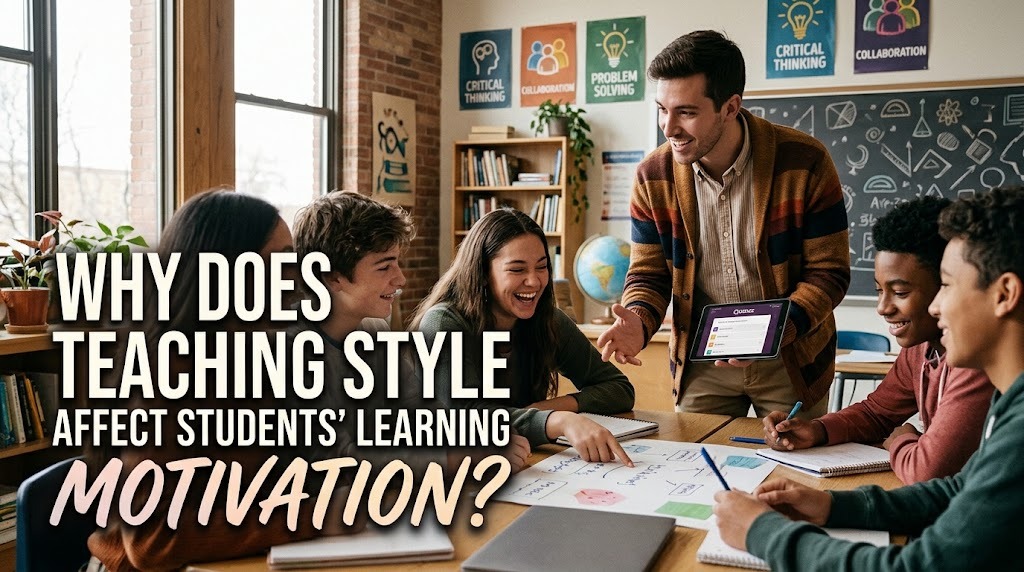
Teaching style plays an important role in determining how students experience the learning process. The way teachers explain lessons, communicate with students, organize classroom activities, and provide feedback can influence students’ interest and willingness to participate. When teaching methods match students’ learning needs, lessons can become more engaging and easier to understand. However, teaching approaches that rely only on repetitive explanations or limited interaction may make some students lose interest.
Every student has different abilities, preferences, and learning challenges. By understanding these differences, teachers can create a classroom environment that encourages curiosity, confidence, and active participation. An appropriate teaching style can help students recognize the value of education and become more motivated to achieve their learning goals.
CREATING AN ENGAGING LEARNING ENVIRONMENT
An engaging classroom encourages students to pay attention and participate actively. Teachers can create this environment by combining explanations with discussions, demonstrations, group activities, and practical exercises. These approaches give students different ways to explore a subject instead of simply listening throughout the lesson.
When classroom activities are interesting and relevant, students may find it easier to maintain their attention. For example, a business teacher can explain marketing concepts through familiar products, advertisements, or real-world sales situations. Connecting lessons to everyday experiences helps students understand how classroom knowledge can be applied outside school.
MAKING LESSONS EASIER TO UNDERSTAND
Students are more likely to remain motivated when they understand what they are learning and why it matters. A teaching style that uses clear explanations, relevant examples, and step-by-step guidance can make difficult topics feel more manageable. Teachers can also adjust their explanations when students struggle with particular concepts.
When lessons are confusing, students may become frustrated or believe that they cannot succeed. Providing additional examples, checking understanding, and allowing students to ask questions can reduce these difficulties. As students experience progress, they may develop greater confidence and become more willing to continue learning.
ENCOURAGING ACTIVE STUDENT PARTICIPATION
Active participation allows students to contribute ideas, ask questions, and practice new skills during lessons. Teachers who encourage discussion and collaborative activities give students opportunities to become involved in their own learning. This approach can make classroom experiences feel more interactive and meaningful.
Students may also become more motivated when they know their opinions are valued. For instance, a teacher can invite students to analyze a case study, present different solutions, or discuss a topic from several perspectives. These activities help students develop communication skills while taking greater responsibility for their learning.
BUILDING STUDENT CONFIDENCE
Teaching style can influence how students view their abilities. Supportive teachers recognize improvement, explain mistakes constructively, and provide guidance that helps students move forward. Instead of comparing students constantly, they can focus on individual progress and encourage realistic learning goals.
Constructive feedback helps students understand what they have done well and what they need to improve. When students receive specific advice rather than harsh criticism, they may feel more comfortable attempting challenging tasks. This confidence can encourage them to participate more often and persist when lessons become difficult.
CONNECTING LESSONS WITH REAL-LIFE EXPERIENCES
Students often become more interested in subjects when they can see how the knowledge applies to real situations. Teachers can increase motivation by using practical examples, demonstrations, simulations, and project-based learning. These methods help students understand that education provides skills they can use beyond examinations.
For example, mathematics lessons can involve budgeting or calculating discounts, while language lessons can include writing professional messages or presenting ideas. Business students can practice creating promotional content or identifying customer needs. These practical activities make learning more relevant and help students understand the purpose of developing new skills.
SUPPORTING DIFFERENT LEARNING NEEDS
Students do not all learn at the same pace or respond to identical teaching methods. Some need additional examples, while others benefit from practical activities, independent work, or opportunities to discuss ideas. A flexible teaching style allows educators to provide different forms of support without assuming that every student has the same needs.
Teachers can vary classroom activities, offer additional explanations, and provide assignments with appropriate levels of difficulty. They can also give students different ways to demonstrate their understanding when learning objectives allow it. This flexibility can reduce unnecessary frustration and help more students participate meaningfully.
DEVELOPING POSITIVE TEACHER-STUDENT RELATIONSHIPS
The relationship between teachers and students can influence classroom motivation. Students may feel more comfortable learning when teachers communicate respectfully, listen to concerns, and respond fairly. A positive relationship can create an environment where asking questions and admitting confusion are treated as normal parts of learning.
Teachers do not need to make every lesson entertaining to build strong relationships. Consistency, fairness, patience, and clear expectations also matter. When students trust that their teacher wants them to improve, they may be more willing to accept feedback, participate in activities, and seek help when necessary.
PROVIDING CHALLENGES AND MEANINGFUL FEEDBACK
Students need learning activities that encourage growth without making success feel impossible. Tasks that are too easy may become repetitive, while tasks that are too difficult without adequate support can reduce motivation. Teachers can maintain engagement by setting clear goals, gradually increasing difficulty, and providing guidance when students encounter obstacles.
Meaningful feedback helps students understand their progress and identify practical next steps. Teachers can explain why an answer is incorrect, suggest ways to improve, and recognize the strategies students used effectively. This process encourages students to focus on learning and improvement rather than viewing grades as the only measure of success.
BALANCING TEACHER GUIDANCE AND STUDENT INDEPENDENCE
Teacher guidance is essential, especially when students encounter unfamiliar concepts. However, students also need opportunities to make decisions, solve problems, and manage parts of their own learning. A balanced teaching style combines clear instruction with activities that encourage independent thinking.
Teachers can gradually give students more responsibility through research assignments, projects, presentations, and self-reflection. Students learn to plan tasks, evaluate information, and monitor their progress. Developing these skills can strengthen their sense of ownership and help them become more independent learners.
CONCLUSION
Teaching style affects students’ learning motivation because it shapes how they understand lessons, participate in activities, receive feedback, and view their own abilities. Engaging activities, clear explanations, supportive relationships, and meaningful challenges can help students remain interested in learning. However, no single teaching method works equally well in every situation. Teachers can improve motivation by adapting their approaches to learning objectives and student needs while maintaining a supportive and well-organized classroom environment.
Recent Posts

Bagaimana Sistem SKS pada Program Kuliah... 22.11.2026/58 View

How Does Technology Make Daily Evaluation... 21.11.2026/86 View

Apa Strategi Menghadapi Kesenjangan antara Kompetensi... 21.11.2026/84 View

Mengapa Inventaris Aset Penting bagi Kelancaran... 21.11.2026/82 View

When Should Musicians Join a Record... 21.11.2026/86 View
