

Why Does Team Communication Matter in Production Processes?
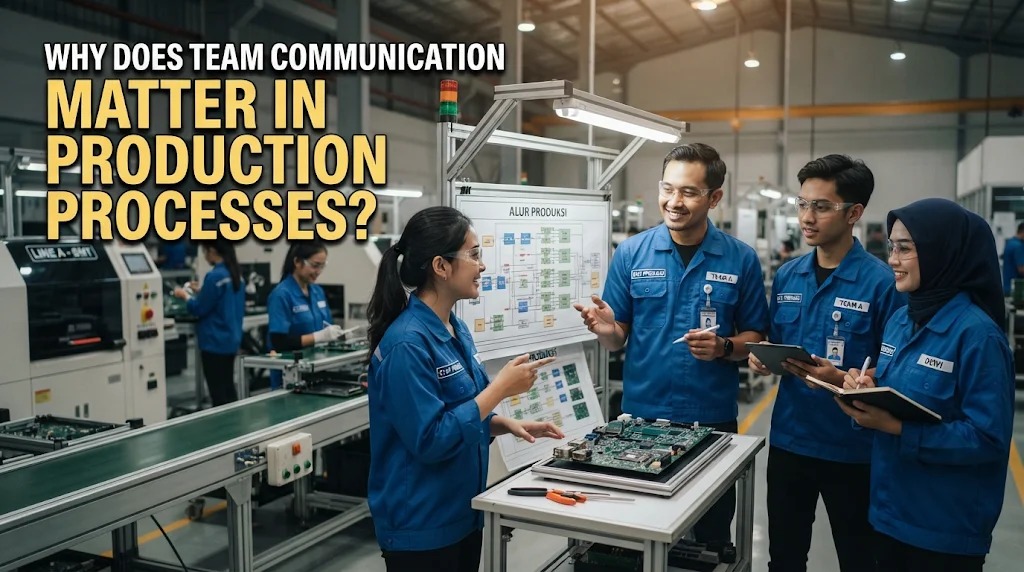
Team communication is an essential part of successful production processes because manufacturing activities involve different employees, departments, and responsibilities. Every stage of production requires accurate information to ensure that tasks are completed according to established procedures and schedules. Production staff, operators, supervisors, and quality control teams must work together to achieve common targets. Without effective communication, misunderstandings and operational delays can affect productivity, product quality, and workplace safety.
IMPROVING COORDINATION BETWEEN DEPARTMENTS
Production processes often involve several departments that depend on one another to complete their responsibilities. For example, the warehouse team provides raw materials, operators handle manufacturing activities, and quality control employees inspect finished products. Each department needs accurate information to perform its tasks properly. Team communication helps ensure that everyone understands their responsibilities and knows when their contribution is needed.
Good coordination also prevents unnecessary delays between production stages. Production staff can share updates about material availability, work schedules, and manufacturing progress with relevant departments. When information is communicated clearly, employees can prepare their resources and organize their activities more effectively. This cooperation helps maintain a smooth workflow from the beginning to the end of production.
REDUCING ERRORS AND MISUNDERSTANDINGS
Miscommunication can lead to incorrect instructions, inaccurate records, and mistakes during manufacturing. Employees may misunderstand product specifications, production quantities, or task requirements when information is incomplete. These errors can result in defective products, wasted materials, and additional work. Therefore, clear communication is necessary to ensure that every employee follows the correct instructions.
Production staff should provide accurate information and confirm that important messages are understood by the responsible employees. Written instructions, production documents, and regular briefings can help reduce confusion. Employees should also ask questions whenever they receive unclear information. These communication practices help prevent avoidable mistakes and improve consistency throughout production activities.
MAINTAINING PRODUCT QUALITY
Product quality depends on the cooperation of employees involved in different manufacturing stages. Operators must understand production standards, while quality control teams need accurate information about inspection requirements and product specifications. Production staff help connect these responsibilities by sharing quality information and monitoring production progress. Effective communication ensures that quality expectations remain consistent across the entire process.
When defects are discovered, employees must report them quickly so that corrective actions can be taken. For example, quality control personnel may identify an issue caused by incorrect machine settings or unsuitable materials. By communicating these findings to production staff and operators, the company can investigate the problem and prevent similar defects. This cooperation helps maintain product reliability and customer satisfaction.
INCREASING PRODUCTION EFFICIENCY
Effective team communication can improve production efficiency by helping employees complete tasks without unnecessary interruptions. When workers receive the information they need at the right time, they can focus on their responsibilities and avoid waiting for instructions. Production staff can also use regular updates to identify delays and coordinate activities more efficiently. As a result, the manufacturing process becomes more organized and productive.
Communication also makes it easier to distribute workloads and adjust schedules when production requirements change. Supervisors can explain new priorities, while employees can report their progress and resource needs. This exchange of information helps teams respond quickly to operational demands. Better communication ultimately supports the achievement of daily production targets.
SUPPORTING WORKPLACE SAFETY
Communication is important for maintaining safety in manufacturing environments because employees may work with machinery, electrical equipment, chemicals, and heavy materials. Everyone must understand safety procedures and recognize potential hazards in their working areas. Clear instructions help employees perform tasks correctly and avoid dangerous actions. Production staff should also ensure that important safety information reaches the relevant team members.
Employees must report accidents, equipment malfunctions, and unsafe conditions as soon as possible. This allows supervisors and safety personnel to take appropriate action before the situation becomes more serious. Safety briefings and warning signs can also help strengthen employee awareness. Through consistent communication, production teams can create a safer working environment.
SOLVING PRODUCTION PROBLEMS FASTER
Unexpected problems can occur at any stage of manufacturing, including machine breakdowns, material shortages, and production delays. When employees communicate effectively, they can report these problems and provide information needed to identify their causes. Production staff can then coordinate with supervisors, maintenance personnel, or warehouse teams to find suitable solutions. Quick information sharing helps prevent small problems from disrupting the entire production schedule.
Team communication also encourages employees to share ideas and suggest improvements. Operators may understand specific machine problems, while production staff may have information about scheduling and material availability. Combining these different perspectives can help teams make better decisions. A cooperative approach makes problem-solving more effective and reduces repeated operational difficulties.
BUILDING TEAMWORK AND EMPLOYEE RESPONSIBILITY
Strong communication helps employees develop trust and understand how their responsibilities contribute to shared production goals. When team members exchange information openly, they can support one another and complete tasks with greater confidence. Employees also become more aware of how their work affects other departments. This understanding encourages responsibility and cooperation throughout the workplace.
A positive communication environment also allows employees to express concerns and provide constructive feedback. Supervisors should listen to employee suggestions and explain important decisions clearly. Recognizing individual contributions can further strengthen team motivation. Good teamwork creates a more supportive workplace and helps production activities run consistently.
CONCLUSION
Team communication matters in production processes because it improves coordination, reduces mistakes, maintains product quality, and increases operational efficiency. It also supports workplace safety, faster problem-solving, and stronger cooperation between employees. Production staff and other manufacturing workers must exchange accurate information to ensure that every activity follows established requirements. With clear and consistent communication, companies can maintain smoother production processes and achieve better manufacturing results.
Recent Posts

How Does Technology Make Daily Evaluation... 21.11.2026/56 View

Apa Strategi Menghadapi Kesenjangan antara Kompetensi... 21.11.2026/58 View

Mengapa Inventaris Aset Penting bagi Kelancaran... 21.11.2026/52 View

When Should Musicians Join a Record... 21.11.2026/53 View

Daily Evaluation or Daily Planning Which... 21.11.2026/60 View
