

Why Does the General Elections Commission Play an Important Role in Democracy?
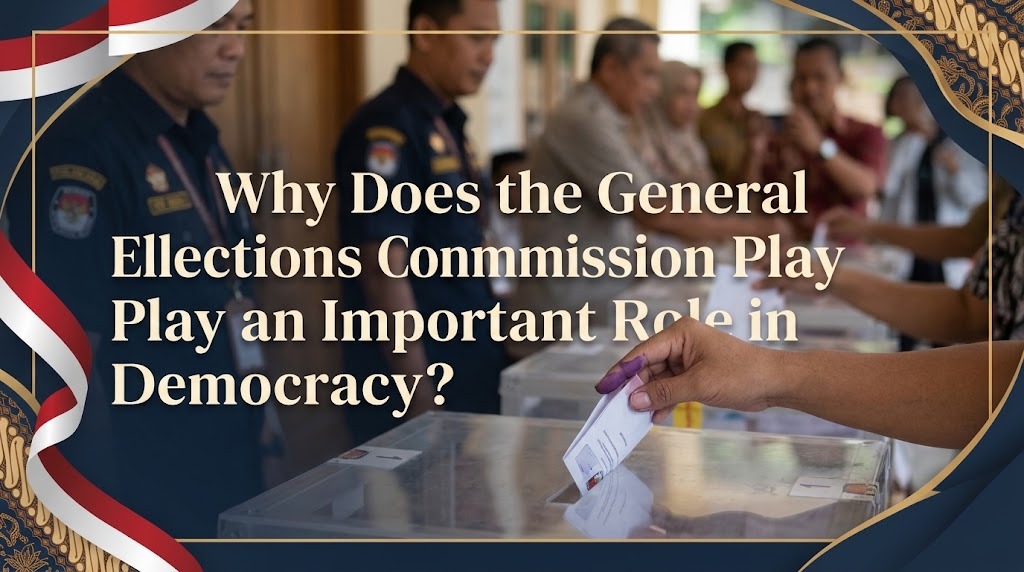
Democracy is a system of government that gives people the right to participate in determining the direction of their country. One of the most important ways citizens exercise this right is through elections. In Indonesia, elections allow people to choose their representatives, including the President, Vice President, members of the House of Representatives, and regional representatives. To ensure that this process runs properly, the country needs an independent institution responsible for organizing elections, known as the General Elections Commission (Komisi Pemilihan Umum or KPU).
The General Elections Commission plays an essential role in maintaining the quality of democracy. Its responsibilities go beyond organizing voting activities because it must also ensure that elections are fair, transparent, orderly, and accessible to eligible voters. Through professional election management, the commission helps protect citizens' political rights and strengthens public confidence in the democratic system.
PROTECTING PEOPLE'S DEMOCRATIC RIGHTS
One of the most important reasons the General Elections Commission matters is its responsibility to protect people's democratic rights. Every eligible Indonesian citizen has the right to vote and participate in choosing national and regional leaders. The KPU helps ensure that citizens can exercise these rights without discrimination based on their background, social status, religion, or political preferences. It also works to ensure that election procedures are accessible to people living in different regions, including remote areas. By maintaining an inclusive election process, the commission helps make democracy meaningful for all citizens.
Furthermore, the KPU is responsible for preparing accurate voter data and providing clear information about election procedures. Citizens need to know when elections take place, where they can vote, and what requirements they must fulfill. Accurate information helps prevent eligible voters from losing their opportunity to participate. Protecting voting rights is essential because every legitimate vote represents an individual's political voice. When these rights are respected, people can participate more confidently in determining their country's future.
ENSURING FAIR AND EQUAL ELECTIONS
Democracy can only function properly when elections are conducted fairly and without favoritism. The General Elections Commission has an important responsibility to treat all election participants equally, including political parties and candidates. It must implement election regulations consistently so that no participant receives unfair advantages from the organizing institution. The commission also establishes technical procedures and schedules to ensure that every stage follows applicable laws. These responsibilities help create a fair electoral environment where candidates compete according to established rules.
In addition, the KPU must maintain neutrality when carrying out its duties and responsibilities. Its decisions should be based on regulations rather than personal interests or political pressure. Equal treatment is important because unfair election management can damage public confidence and create disputes between competing groups. The commission must also coordinate with relevant election institutions to support an orderly process. Through consistent regulations and professional administration, the KPU contributes to electoral integrity and strengthens the foundations of democracy.
MAINTAINING TRANSPARENCY AND PUBLIC TRUST
Transparency is another important factor that makes the General Elections Commission essential to democracy. The public needs access to reliable information about election schedules, candidate registration, voting procedures, and vote-counting results. By providing accurate and accessible information, the KPU allows citizens to understand how elections are organized. Transparent procedures also make it easier for election participants and the public to monitor the process. This openness helps reduce misunderstandings and encourages greater public confidence in election administration.
Public trust is particularly important because election results determine who receives political authority. If people believe that election procedures are conducted openly and professionally, they are more likely to respect the results. The KPU therefore needs to communicate important information clearly and provide opportunities for public oversight. It also coordinates with the Election Supervisory Agency (Bawaslu), which has a separate responsibility to supervise elections and address violations within its authority. Transparency and accountability work together to strengthen public confidence in democratic institutions.
Tugas dan Kewenangan+2
PROVIDING POLITICAL EDUCATION TO CITIZENS
The General Elections Commission also contributes to democracy by providing political education and encouraging public awareness. Many citizens may understand that voting is important but have limited knowledge about election procedures, candidate qualifications, or the responsibilities of elected officials. Through public information campaigns, educational activities, and community outreach, the KPU helps people understand their political rights and responsibilities. This education allows voters to make decisions based on information rather than pressure or misleading claims. An informed population is an important foundation for a healthy democratic system.
Political education is also valuable for young people who are preparing to participate in elections for the first time. The commission can introduce democratic principles through educational programs, discussions, and digital communication. Young voters need to understand the importance of evaluating candidates based on their programs, experience, and public commitments. They should also learn to recognize misinformation and avoid spreading unverified election-related information. By improving political awareness, the KPU helps develop responsible voters who can contribute positively to the country's democratic future.
STRENGTHENING DEMOCRATIC STABILITY AND GOVERNMENT LEGITIMACY
The General Elections Commission plays an important role in maintaining democratic stability by organizing elections according to established laws and procedures. Regular elections provide a peaceful mechanism for citizens to choose new leaders and representatives. This process allows changes in political leadership to take place through voting rather than violence or force. When elections are managed properly, political competition can take place within a clear legal framework. As a result, the KPU contributes to a more stable political environment.
Furthermore, credible elections help strengthen the legitimacy of government institutions. Leaders who are elected through a properly administered democratic process gain a constitutional basis for exercising their responsibilities. Although election administration alone cannot guarantee effective government performance, it provides an important foundation for public acceptance of political leadership. The KPU must therefore maintain professional standards throughout the electoral process, from preparation to the official announcement of results. Its performance influences how citizens view the democratic system and the institutions responsible for managing it.
SUPPORTING INCLUSIVE PARTICIPATION AND DEMOCRATIC DEVELOPMENT
Democracy requires more than the participation of political parties and government institutions. It also depends on the involvement of ordinary citizens, community organizations, young people, and other groups in society. The General Elections Commission supports this participation by providing opportunities for eligible citizens to vote and obtain election-related information. It must also pay attention to accessibility so that people with disabilities and citizens in remote locations can exercise their voting rights. Inclusive election management helps ensure that different parts of society have an opportunity to participate in political decision-making.
In the long term, the KPU's work can contribute to the development of a stronger democratic culture in Indonesia. Citizens who regularly participate in elections can become more aware of government policies, public issues, and their responsibilities as members of society. The commission can also improve election management through better administrative systems, public communication, and evaluation of previous electoral activities. However, democratic development requires cooperation between election organizers, supervisory institutions, political participants, and the public. Active citizen participation combined with professional election management creates a stronger foundation for sustainable democracy.
CONCLUSION
The General Elections Commission plays an essential role in maintaining and strengthening democracy in Indonesia. Its responsibilities include protecting voting rights, organizing fair elections, maintaining transparency, providing political education, and encouraging inclusive public participation. Through independent and professional election management, the KPU helps ensure that citizens can choose their leaders through a legitimate democratic process. However, the success of democracy does not depend on the commission alone. It also requires public awareness, responsible political participation, effective supervision, and respect for election regulations. Therefore, the General Elections Commission remains an important institution in protecting democratic values and supporting Indonesia's political development.
Recent Posts

Bagaimana Sistem SKS pada Program Kuliah... 22.11.2026/47 View

How Does Technology Make Daily Evaluation... 21.11.2026/74 View

Apa Strategi Menghadapi Kesenjangan antara Kompetensi... 21.11.2026/76 View

Mengapa Inventaris Aset Penting bagi Kelancaran... 21.11.2026/72 View

When Should Musicians Join a Record... 21.11.2026/76 View
