

Why Does the Music Industry Have a Major Influence on Society?
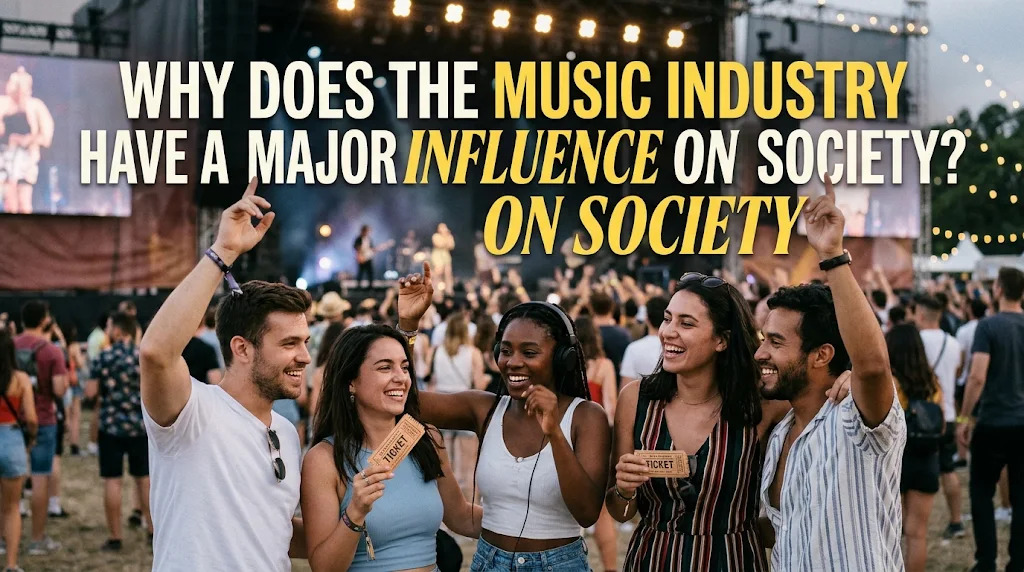
The music industry has a major influence on society because music is closely connected to people's emotions, cultures, lifestyles, and daily activities. It is more than a form of entertainment because it can communicate ideas, spread messages, and bring people together from different backgrounds. Through songs, concerts, digital platforms, and music-related businesses, the industry influences how people express themselves and understand the world. Its impact can be seen in social relationships, cultural development, education, economic activities, and even public awareness of important issues.
MUSIC AS A FORM OF CULTURAL EXPRESSION
Music plays an important role in preserving and introducing cultural identities. Different regions and communities have their own musical traditions, instruments, rhythms, and performance styles that reflect their histories and values. Traditional songs can communicate cultural stories from one generation to another, helping younger people understand their heritage. Through the music industry, these cultural expressions can reach audiences beyond their original communities.
Modern music also encourages cultural exchange between countries and generations. International collaborations, global concerts, and digital streaming platforms allow listeners to discover music from different parts of the world. For example, Indonesian traditional music can attract international attention when combined with modern musical arrangements. This interaction helps promote cultural diversity while creating opportunities for artists to introduce their identities to a wider audience.
MUSIC INFLUENCES EMOTIONS AND DAILY LIFE
Music has a strong connection with human emotions and personal experiences. People often listen to particular songs when they feel happy, sad, motivated, relaxed, or nostalgic. Different musical styles can create different atmospheres and become part of everyday activities, such as studying, exercising, traveling, or spending time with friends. This makes music an important part of how individuals manage their daily experiences and express their feelings.
The music industry also influences lifestyles through artists, performances, and popular music trends. Musicians often become public figures whose creative work, messages, and artistic identities attract large audiences. Listeners may discover new interests, fashion trends, or creative activities through the music they enjoy. However, people should maintain critical thinking when following entertainment trends and remember that personal decisions do not need to depend entirely on celebrity influence.
THE ROLE OF MUSIC IN SOCIAL AWARENESS
Music can communicate social messages in a way that is accessible and emotionally meaningful. Songwriters often create compositions about friendship, equality, environmental protection, education, peace, and other important issues. These songs can encourage listeners to think about situations that affect individuals and communities. Through meaningful lyrics and public performances, musicians can help increase social awareness among their audiences.
Music events and digital campaigns can also provide opportunities to support humanitarian and community activities. Artists sometimes participate in benefit concerts, fundraising projects, and public awareness campaigns. Their popularity can help important messages reach people who might not otherwise encounter them. Although music alone cannot solve complex social problems, it can support positive conversations and encourage people to become more aware of their surroundings.
MUSIC CREATES ECONOMIC AND CAREER OPPORTUNITIES
The music industry contributes to economic development by creating employment across many professional fields. Musicians, singers, songwriters, producers, sound engineers, event organizers, designers, marketers, and journalists can all participate in music-related activities. Concerts and festivals also create business opportunities for transportation providers, food vendors, accommodation services, and other local businesses. This demonstrates that the industry's economic impact extends beyond artists and record labels.
The development of digital technology has expanded these opportunities even further. Independent musicians can distribute their work through streaming platforms and promote their songs through social media. Young people can also explore careers in music management, digital marketing, content creation, and audio production. As a result, the music industry supports creative entrepreneurship and provides different ways for people to turn their skills and interests into professional opportunities.
MUSIC CONNECTS PEOPLE AROUND THE WORLD
One of the most significant influences of music is its ability to connect people regardless of language, nationality, or cultural background. International songs can become popular in countries where listeners do not understand every lyric. Musical rhythms, melodies, and performances can create shared experiences among people with different perspectives. This makes music a powerful form of communication that can cross geographical and cultural boundaries.
Social media and streaming services have strengthened these connections by allowing people to share songs, discuss artists, and participate in online music communities. Global concerts and international collaborations also encourage interaction between musicians and audiences from different countries. Through these activities, the global music community continues to grow and develop. Music therefore contributes to social connections by creating common interests and shared cultural experiences.
KESIMPULAN
The music industry has a major influence on society because it shapes cultural expression, emotional experiences, social awareness, economic activities, and international relationships. Music helps preserve traditions while encouraging cultural exchange between different communities. It also creates employment opportunities and supports the growth of creative businesses. With the development of digital technology, its influence continues to expand across countries and generations. Therefore, the music industry is not only an entertainment sector but also an important part of modern social and cultural development.
Recent Posts

How Does Technology Make Daily Evaluation... 21.11.2026/55 View

Apa Strategi Menghadapi Kesenjangan antara Kompetensi... 21.11.2026/57 View

Mengapa Inventaris Aset Penting bagi Kelancaran... 21.11.2026/52 View

When Should Musicians Join a Record... 21.11.2026/52 View

Daily Evaluation or Daily Planning Which... 21.11.2026/59 View
