

Why Does Waste Contribute to Flooding in Cities?
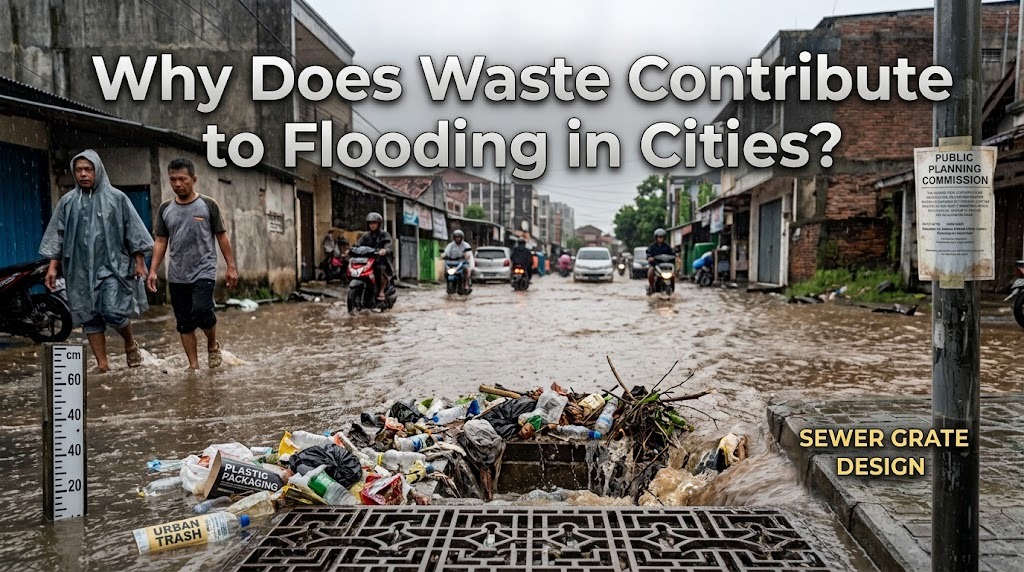
Waste contributes to flooding in cities by blocking drainage systems, restricting water flow, and reducing the ability of waterways to carry excess rainwater. When garbage accumulates in drains, canals, rivers, and culverts, heavy rainfall can cause water to back up and overflow into streets and residential areas. The problem becomes more serious when poor waste management combines with inadequate drainage infrastructure, rapid urbanization, and intense rainfall. Understanding the relationship between waste and urban flooding can help communities develop better waste disposal habits and improve flood prevention efforts.
BLOCKED DRAINS PREVENT WATER FROM FLOWING
One of the main ways waste contributes to urban flooding is by obstructing drainage channels. Plastic bags, food packaging, bottles, leaves, and other discarded materials can collect inside drains and prevent water from passing through freely. As rainwater enters the system, the blockage reduces the amount of water that can be transported away.
During heavy rainfall, water may accumulate around blocked drains and spread onto nearby roads, sidewalks, and properties. Even a relatively small obstruction can create problems when the drainage system is already operating near its capacity. Keeping drains clear helps water move more efficiently and reduces the likelihood of localized flooding.
PLASTIC WASTE ACCUMULATES IN WATERWAYS
Plastic waste is particularly problematic because many plastic products break down very slowly in the environment. Lightweight materials, such as bags and wrappers, can easily be carried by wind or rainwater into drainage channels, rivers, and canals.
As these materials accumulate, they can become trapped against bridges, grates, and narrow sections of waterways. Other waste may collect around the plastic, creating larger obstructions over time. Reducing single-use plastic waste and providing accessible disposal facilities can help limit the amount of debris entering urban drainage networks.
POOR WASTE DISPOSAL INCREASES FLOOD RISK
Improper waste disposal allows garbage to enter the environment instead of being collected and processed safely. Throwing rubbish into streets, open drains, empty lots, or rivers creates pathways through which rainwater can carry waste into drainage infrastructure.
In areas without reliable waste collection services, residents may have limited alternatives for disposing of household rubbish. Therefore, preventing waste-related flooding requires more than asking individuals to change their behavior. Cities also need dependable collection services, suitable disposal facilities, public education, and enforcement against illegal dumping.
WASTE AND SEDIMENT REDUCE DRAINAGE CAPACITY
Urban drainage systems can become less effective when waste combines with soil, sand, mud, and other sediments. These materials may settle at the bottom of channels or accumulate around existing obstructions, reducing the space available for water to flow.
Sediment buildup can also make drainage channels shallower and reduce their capacity during heavy rainfall. If maintenance is delayed, the combined effects of debris and sediment may increase the frequency of water overflow. Regular inspections, sediment removal, and proper waste management are important for maintaining drainage performance.
HEAVY RAINFALL CARRIES GARBAGE INTO DRAINS
Rainwater flowing across streets and other paved surfaces can carry discarded materials into drainage systems. Waste that appears harmless when the weather is dry may become a serious obstruction once rainfall begins moving it toward drains and waterways.
Strong surface runoff can transport rubbish over considerable distances, especially in densely developed neighborhoods. Materials may eventually become trapped at drainage entrances, culverts, or river crossings. Keeping public spaces clean before rainfall occurs can reduce the amount of waste transported by stormwater.
FLOODING CAN BECOME MORE SEVERE IN DENSELY POPULATED AREAS
Densely populated urban neighborhoods often generate large quantities of household and commercial waste. Markets, food stalls, shopping areas, and residential streets can produce packaging, food scraps, and other discarded materials every day.
When waste collection and drainage maintenance do not keep pace with these activities, rubbish may accumulate in public spaces and waterways. The problem can become more severe where roads are narrow, drainage channels are small, or access for cleaning equipment is limited. Coordinated waste collection and infrastructure maintenance are especially important in these locations.
WASTE-RELATED FLOODING CAN DAMAGE COMMUNITIES
When blocked drainage systems contribute to flooding, communities may experience damage to homes, shops, roads, and public facilities. Floodwater can disrupt transportation, interrupt business activities, and prevent people from reaching schools or workplaces.
Waste carried by floodwater can also contaminate residential areas and water sources. After flooding, residents may face additional cleaning costs and sanitation problems. Reducing waste accumulation in drainage systems can help limit these avoidable risks, although it cannot prevent every flood caused by extreme rainfall or other environmental factors.
POOR WASTE MANAGEMENT AFFECTS RIVERS AND CANALS
Rivers and canals often serve as important outlets for urban stormwater. When garbage accumulates in these waterways, it can obstruct water movement and interfere with the drainage of nearby neighborhoods.
Waste may also become trapped around bridges, gates, and other structures where water flow is already restricted. During intense rainfall, these obstructions can contribute to rising water levels and overflow. Regular river cleaning, responsible waste disposal, and protection of waterways can help maintain their ability to carry excess water.
HOW CITIES CAN PREVENT WASTE-RELATED FLOODING
Preventing waste-related flooding requires cooperation between residents, businesses, waste-management services, and local authorities. Communities can reduce risks by disposing of rubbish properly, separating recyclable materials, and avoiding dumping waste into drains or rivers.
Local governments can strengthen waste collection, provide sufficient public bins, maintain drainage channels, and organize regular cleaning programs. Installing suitable waste traps at selected drainage points may also help capture debris, provided they are inspected and cleared frequently. These measures should complement broader flood-management strategies, including improved drainage, green spaces, and responsible urban development.
THE ROLE OF PUBLIC AWARENESS AND COMMUNITY PARTICIPATION
Public awareness can help residents understand how everyday waste disposal practices affect urban flood risks. Educational campaigns in schools, neighborhoods, markets, and public spaces can explain why keeping drains and waterways clear is important.
Community clean-up activities can also help remove accumulated waste and encourage shared responsibility for public spaces. However, these activities are most effective when supported by consistent waste collection and appropriate infrastructure. Long-term improvement depends on making responsible disposal convenient and ensuring that collected waste is managed properly.
CONCLUSION
Waste contributes to flooding in cities by blocking drains, reducing the capacity of waterways, and preventing rainwater from flowing away efficiently. Plastic packaging, household rubbish, and accumulated sediment can become especially problematic during heavy rainfall. Although waste is not the only cause of urban flooding, poor waste management can intensify existing drainage problems and increase damage to communities. Combining responsible disposal habits, reliable collection services, regular drainage maintenance, and public participation can help cities reduce waste-related flood risks.
Recent Posts

Bagaimana Sistem SKS pada Program Kuliah... 22.11.2026/54 View

How Does Technology Make Daily Evaluation... 21.11.2026/83 View

Apa Strategi Menghadapi Kesenjangan antara Kompetensi... 21.11.2026/81 View

Mengapa Inventaris Aset Penting bagi Kelancaran... 21.11.2026/78 View

When Should Musicians Join a Record... 21.11.2026/82 View
