

Why Has Digital Literacy Become an Essential Skill for Students and Teachers?
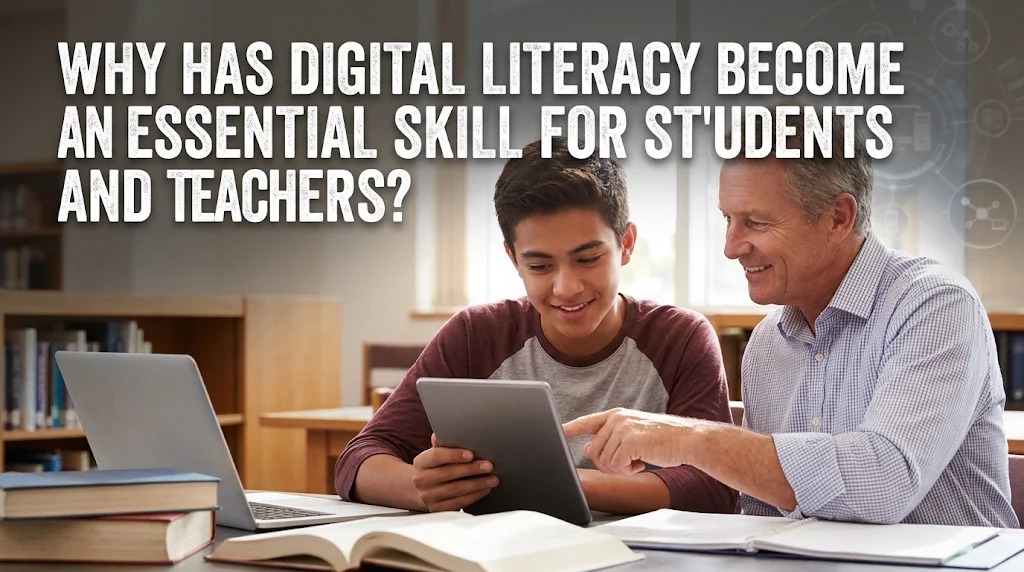
Digital technology has become an important part of modern education. Students and teachers increasingly depend on the internet, digital learning platforms, computers, and educational applications to support teaching and learning activities. These developments have changed how people access information, communicate, and complete academic tasks. As a result, digital literacy has become an essential skill that everyone in the educational environment needs to develop.
Digital literacy is not simply the ability to operate smartphones or computers. It also involves finding reliable information, understanding digital content, protecting personal data, and using technology responsibly. Students need these abilities to improve their learning experiences, while teachers require them to create effective and engaging lessons. By developing strong digital literacy, both students and teachers can adapt to technological changes and participate more confidently in modern education.
UNDERSTANDING THE IMPORTANCE OF DIGITAL LITERACY IN EDUCATION
Digital literacy refers to the ability to access, understand, evaluate, create, and communicate information through digital technology. This skill helps individuals use various digital tools effectively while recognizing the opportunities and risks of the online environment. In education, digital literacy allows students and teachers to take advantage of technology to support academic activities. It also helps them become more independent when searching for information and completing learning tasks.
The importance of digital literacy continues to increase because educational activities are becoming more connected to technology. Students use online platforms to attend classes, submit assignments, conduct research, and communicate with teachers. Meanwhile, educators use digital resources to prepare teaching materials, evaluate student performance, and organize classroom activities. Therefore, digital literacy is an essential foundation for creating an educational environment that is more flexible, productive, and relevant to modern needs.
HELPING STUDENTS ACCESS AND EVALUATE INFORMATION
One of the main benefits of digital literacy is helping students find educational information more easily. Through the internet, they can access electronic books, academic articles, educational videos, online libraries, and various learning resources. These materials allow students to explore subjects beyond the explanations provided in classrooms. They can also compare different perspectives and develop a deeper understanding of academic topics.
However, having access to a large amount of information does not automatically mean that students can identify accurate knowledge. The internet contains misleading information, outdated content, and unreliable sources that may affect their understanding. Digital literacy teaches students to check the credibility of websites, examine information sources, and compare facts before accepting or sharing content. These abilities strengthen critical thinking skills and help students make better academic decisions.
IMPROVING TEACHING METHODS THROUGH DIGITAL TECHNOLOGY
Digital literacy is equally important for teachers because technology provides various opportunities to improve teaching methods. Educators can use presentation applications, educational videos, digital quizzes, virtual classrooms, and interactive learning platforms to explain lessons. These tools help teachers present information in different formats, making complicated subjects easier to understand. They can also encourage students to participate more actively during learning activities.
Teachers who have strong digital skills can select technology according to their educational objectives. For example, online discussion platforms can support classroom communication, while digital assessment tools can help evaluate student understanding. Educators can also use learning management systems to distribute materials, collect assignments, and monitor academic progress. By improving digital teaching competencies, teachers can create more organized, engaging, and effective learning experiences.
DEVELOPING RESPONSIBLE AND SAFE DIGITAL BEHAVIOR
Digital literacy also teaches students and teachers how to use technology safely and responsibly. When accessing online platforms, individuals may encounter privacy risks, cyberbullying, phishing messages, and fraudulent websites. Without sufficient knowledge, they may accidentally share sensitive information or become victims of online threats. Understanding digital safety helps users recognize potential dangers and take appropriate precautions.
Another important aspect is understanding digital ethics and responsible communication. Students need to respect other people's opinions, avoid spreading misinformation, and acknowledge original sources when using online materials. Teachers should also guide students in understanding copyright, online behavior, and appropriate technology use. Developing digital responsibility helps create a safer online learning environment where everyone can communicate respectfully and protect their personal information.
SUPPORTING INDEPENDENT LEARNING AND FUTURE CAREER DEVELOPMENT
Strong digital literacy encourages students to become more independent in managing their learning activities. They can explore online courses, use educational applications, access digital references, and practice new skills according to their individual needs. This flexibility allows them to develop knowledge beyond the classroom and take greater responsibility for their academic progress. It also encourages curiosity and a willingness to continue learning throughout life.
Digital literacy is also valuable when students enter the professional world. Many industries require employees to understand digital communication, data management, online collaboration, and technology-based work systems. Individuals who can adapt to new digital tools may have better opportunities to meet changing workplace requirements. Therefore, digital skills for future careers should become an important part of educational development from an early stage.
BUILDING ADAPTABILITY IN AN INCREASINGLY DIGITAL WORLD
Technology continues to develop, bringing new applications, platforms, and ways of working into everyday life. Students and teachers need to develop the ability to understand and adapt to these changes. Digital literacy helps them become more confident when learning unfamiliar technologies and exploring new digital resources. This adaptability is important because the tools used in education today may change significantly in the future.
In addition, digital literacy encourages individuals to become lifelong learners. Students can continue developing their knowledge through online courses, digital communities, and educational resources after completing formal education. Teachers can also improve their professional competencies by attending webinars, participating in online training, and exploring innovative teaching strategies. With continuous learning and technological adaptability, students and teachers can remain prepared for future educational and professional challenges.
CONCLUSION
Digital literacy has become an essential skill for students and teachers because technology now plays an important role in modern education. It helps students access reliable information, improve critical thinking, develop independent learning habits, and prepare for future careers. For teachers, digital literacy supports more interactive teaching methods, effective classroom management, and better use of educational resources.
However, digital literacy is not only about understanding how digital devices work. It also involves information evaluation, online safety, digital ethics, and responsible communication. Schools should provide continuous digital literacy education so students and teachers can use technology effectively. By developing these abilities, educational institutions can create a learning environment that is more productive, secure, and adaptable to technological developments.
Recent Posts

Bagaimana Sistem SKS pada Program Kuliah... 22.11.2026/33 View

How Does Technology Make Daily Evaluation... 21.11.2026/67 View

Apa Strategi Menghadapi Kesenjangan antara Kompetensi... 21.11.2026/67 View

Mengapa Inventaris Aset Penting bagi Kelancaran... 21.11.2026/65 View

When Should Musicians Join a Record... 21.11.2026/66 View
