

Why Is a Clean School Environment Essential for Student Health?
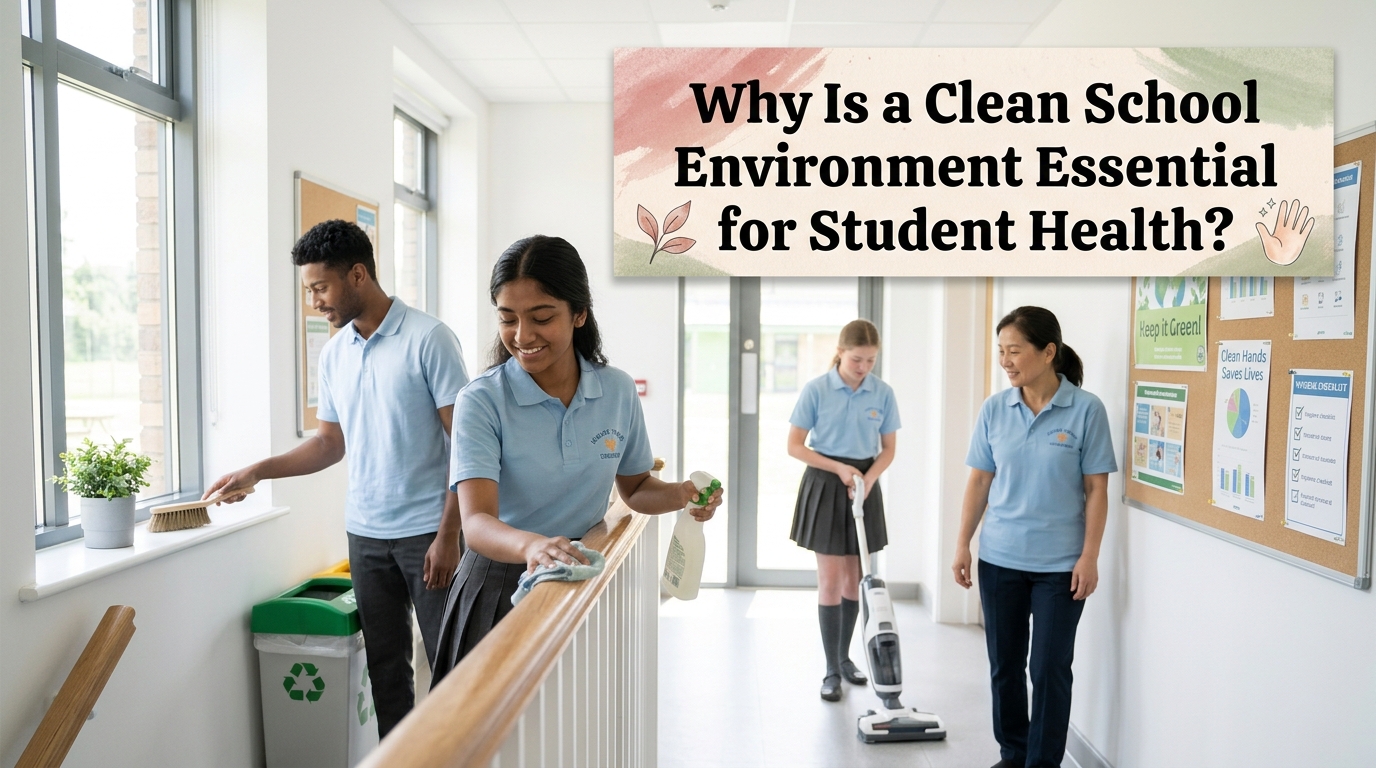
A clean school environment is an important factor in maintaining students' health, comfort, and learning performance. Students spend many hours at school every day, using classrooms, toilets, playgrounds, libraries, and other shared facilities. If these areas are not properly maintained, they can become sources of germs, pollution, and diseases that may affect students' well-being. Therefore, maintaining school cleanliness is not only about creating a pleasant appearance but also about protecting students from potential health risks.
A healthy school environment encourages students to develop positive habits, such as washing their hands, disposing of waste properly, and keeping their surroundings clean. It also supports a safer atmosphere where students can focus on learning without unnecessary health-related distractions. Understanding why a clean school environment is essential for student health can help schools, teachers, parents, and students work together to create better learning conditions.
1. PREVENTING THE SPREAD OF INFECTIOUS DISEASES
One of the most important benefits of a clean school environment is preventing the spread of infectious diseases. Schools are places where many students interact closely, share facilities, and use common objects every day. Without proper cleaning practices, germs such as bacteria and viruses can spread through contaminated surfaces, respiratory droplets, or unwashed hands. This can increase the risk of illnesses such as influenza, common colds, and gastrointestinal infections.
Regularly cleaning classrooms, desks, door handles, toilets, and other frequently touched surfaces helps reduce contamination. Schools should also provide sufficient handwashing facilities with clean water and soap. Students need to understand the importance of washing their hands before eating, after using the toilet, and whenever their hands are visibly dirty. These simple practices can help protect students and reduce the transmission of infectious diseases.
2. SUPPORTING STUDENTS' PHYSICAL HEALTH
A clean school environment contributes directly to students' physical health and overall well-being. Poor environmental conditions, such as dirty classrooms, accumulated waste, and unclean toilets, can expose students to harmful microorganisms and other health hazards. Inadequate sanitation may also increase the risk of skin infections, digestive problems, and other preventable illnesses.
Maintaining clean classrooms, proper drainage, and hygienic school facilities helps reduce these risks. Schools should ensure that toilets are cleaned regularly, drinking water is safe, and waste is managed properly. These efforts create a healthier environment where students can participate in daily activities more comfortably. As a result, students have better opportunities to maintain their health and enjoy a more supportive school experience.
3. IMPROVING STUDENTS' CONCENTRATION AND LEARNING PERFORMANCE
School cleanliness also affects students' ability to concentrate and participate in learning activities. A classroom filled with dust, unpleasant odors, scattered waste, or poor ventilation can make students feel uncomfortable and distracted. In some cases, dust and indoor air pollutants may trigger allergies or respiratory symptoms, making it harder for students to focus on lessons.
On the other hand, a clean, organized, and well-ventilated classroom creates a more comfortable learning atmosphere. Students can pay greater attention to teachers, complete assignments more effectively, and participate actively in classroom discussions. Although cleanliness alone does not guarantee academic success, it is an important part of creating favorable learning conditions that support students' educational development.
4. PROTECTING STUDENTS FROM ENVIRONMENTAL HAZARDS
An unclean school environment can expose students to various physical and environmental hazards. For example, wet floors, scattered rubbish, broken furniture, and poorly maintained playgrounds can cause accidents and injuries. Accumulated waste may also attract flies, cockroaches, rats, and mosquitoes, which can create additional health risks.
To prevent these problems, schools need to conduct regular inspections of classrooms, corridors, toilets, playgrounds, and schoolyards. Waste should be disposed of in appropriate containers, while potentially dangerous objects must be removed immediately. Schools should also maintain proper drainage systems to prevent standing water, which can become a breeding place for mosquitoes. Through consistent maintenance, schools can create a safer environment for students and reduce preventable accidents and health problems.
5. PROMOTING PERSONAL HYGIENE AND HEALTHY HABITS
A clean school environment helps students develop good personal hygiene habits from an early age. Daily activities at school provide opportunities for students to practice proper handwashing, maintain clean uniforms, keep their belongings organized, and dispose of rubbish correctly. These habits are important because they help students understand how everyday behavior influences their health.
Teachers and school staff play an important role in encouraging these positive behaviors. They can introduce hygiene education through classroom discussions, practical demonstrations, posters, and regular cleaning activities. Students should also be encouraged to take responsibility for keeping their classrooms and shared facilities clean. When practiced consistently, these behaviors can become healthy habits that students continue to apply at home and in their communities.
6. SUPPORTING STUDENTS' MENTAL HEALTH AND COMFORT
The condition of the school environment can also influence students' emotional well-being. A dirty, overcrowded, or poorly maintained school may create feelings of discomfort, stress, and dissatisfaction. Students may feel less motivated to spend time in an environment that appears neglected or does not provide adequate sanitation and privacy.
In contrast, a clean, organized, and comfortable school environment can help students feel safer and more relaxed. Clean toilets, tidy classrooms, green spaces, and well-maintained common areas can contribute to a more positive school atmosphere. A supportive physical environment is not a substitute for professional mental health services, but it can help promote emotional comfort and psychological well-being. This is particularly important because students need to feel comfortable and secure to participate in school activities.
7. PROVIDING CLEAN WATER AND PROPER SANITATION
Access to clean water and proper sanitation is a fundamental requirement for maintaining student health. Schools need safe water for drinking, handwashing, cleaning, and other daily activities. If drinking water is contaminated or sanitation facilities are poorly maintained, students may face an increased risk of waterborne diseases and other infections.
Schools should regularly check the quality and safety of drinking water and ensure that toilets are functional, clean, and accessible. Handwashing stations should be equipped with clean water and soap, while wastewater and rubbish must be managed appropriately. Proper sanitation also requires sufficient facilities that accommodate students' needs, including students with disabilities. Providing these essential services helps schools maintain hygiene standards and protect students from preventable health risks.
8. REDUCING STUDENT ABSENTEEISM DUE TO ILLNESS
Maintaining a clean school environment can help reduce the risk of illnesses that may cause students to miss classes. When hygiene and sanitation are neglected, students may be exposed to conditions that increase the transmission of infectious diseases. Frequent illness can interrupt learning activities, reduce classroom participation, and make it harder for students to keep up with their lessons.
Regular cleaning, proper waste disposal, safe drinking water, and adequate ventilation can help reduce some of these health risks. Schools should also encourage students who are sick to follow appropriate health guidance and avoid spreading infections to others. Although a clean environment cannot eliminate every cause of illness, it is an important preventive measure. By maintaining school hygiene, schools can support student attendance and learning continuity.
9. BUILDING ENVIRONMENTAL RESPONSIBILITY AMONG STUDENTS
A clean school environment is also an effective way to teach students about environmental responsibility. When students participate in maintaining their surroundings, they learn that cleanliness is a shared responsibility rather than a task that belongs only to cleaning staff. These activities can help develop discipline, cooperation, and respect for public facilities.
Schools can encourage environmental awareness through waste separation, recycling activities, school gardening, and regular classroom cleaning schedules. Students can also learn to reduce single-use plastics and avoid littering. Teachers should explain how proper waste management helps protect the environment and prevent pollution. These experiences help students develop environmentally responsible behavior that can benefit their families and communities.
10. CREATING A SAFE AND SUPPORTIVE LEARNING ENVIRONMENT
Cleanliness is an essential part of creating a school environment that supports students' health, safety, and development. Students need classrooms with good ventilation, clean floors, adequate lighting, functional sanitation facilities, and properly maintained learning equipment. When these basic conditions are available, students can carry out their activities more comfortably and safely.
School administrators, teachers, cleaning staff, parents, and students should work together to maintain these conditions. Schools need clear cleaning schedules, regular facility inspections, sufficient cleaning supplies, and procedures for reporting environmental problems. By involving the entire school community, cleanliness can become part of the school's daily culture. This approach helps establish a healthy, safe, and supportive learning environment for everyone.
HOW CAN SCHOOLS MAINTAIN A CLEAN AND HEALTHY ENVIRONMENT?
Maintaining a clean school environment requires consistent action and cooperation from the entire school community. Schools should not depend only on occasional cleaning activities or special environmental campaigns. Instead, cleanliness should become part of daily routines and school management policies.
Here are several practical ways schools can maintain a healthy environment:
- Establish Regular Cleaning Schedules: Clean classrooms, toilets, corridors, libraries, and other shared facilities every day.
- Provide Adequate Waste Bins: Place waste containers in accessible locations and encourage students to separate recyclable and non-recyclable waste.
- Maintain Clean Water and Sanitation: Ensure that drinking water is safe and toilets and handwashing facilities are properly maintained.
- Improve Classroom Ventilation: Keep air circulation adequate by maintaining ventilation systems and opening windows when appropriate.
- Organize Hygiene Education: Teach students about handwashing, personal hygiene, food safety, and proper waste disposal.
- Conduct Environmental Inspections: Check school facilities regularly to identify damaged equipment, standing water, and other potential hazards.
- Encourage Student Participation: Organize classroom cleaning activities, school gardening, and environmental awareness campaigns.
- Strengthen School Cooperation: Involve teachers, parents, cleaning staff, and local health professionals in maintaining school cleanliness.
These actions should be supported by clear responsibilities and regular evaluations. Schools should also provide appropriate cleaning equipment and ensure that cleaning products are used safely. With consistent implementation, these efforts can create lasting improvements in school hygiene and student health.
CONCLUSION
A clean school environment is essential for student health because it helps prevent infectious diseases, supports physical well-being, improves learning comfort, and reduces environmental hazards. It also encourages personal hygiene, supports emotional well-being, provides access to proper sanitation, and helps reduce illness-related school absences.
However, maintaining school cleanliness is not the responsibility of one person or group. School administrators, teachers, students, parents, and cleaning staff must work together to establish healthy daily practices and maintain school facilities. Through regular cleaning, proper sanitation, environmental education, and consistent monitoring, schools can create a healthier and safer place for students to learn and grow. Ultimately, a clean school environment is not just about appearance but also about protecting student health and supporting better educational experiences.
Recent Posts

Bagaimana Sistem SKS pada Program Kuliah... 22.11.2026/35 View

How Does Technology Make Daily Evaluation... 21.11.2026/69 View

Apa Strategi Menghadapi Kesenjangan antara Kompetensi... 21.11.2026/69 View

Mengapa Inventaris Aset Penting bagi Kelancaran... 21.11.2026/67 View

When Should Musicians Join a Record... 21.11.2026/68 View
