

Why Is A Travel Schedule Important For An Out-Of-Town Business Trip?
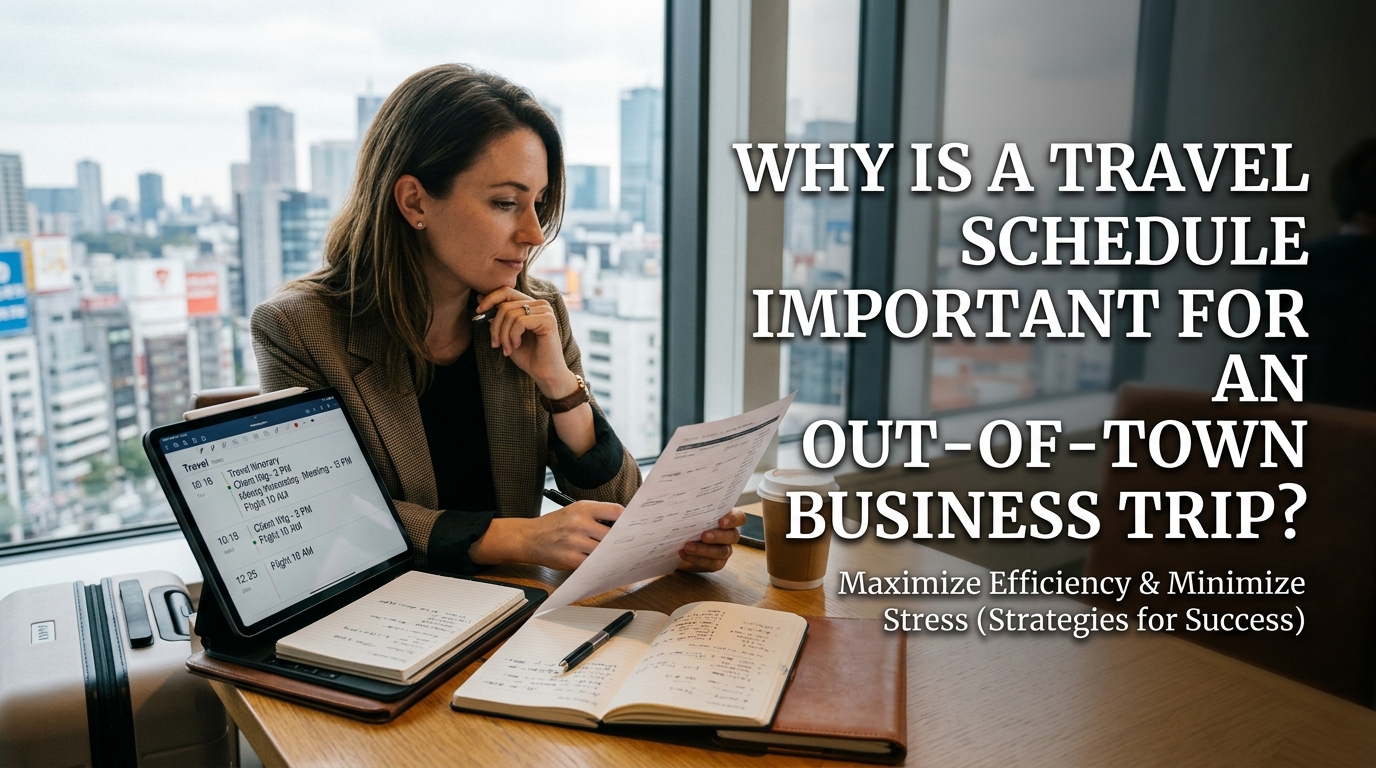
A travel schedule is an important part of planning an out-of-town business trip because it helps employees organize their activities, manage their time, and achieve their work goals. Business trips may involve transportation, hotel check-ins, client meetings, company visits, and other professional responsibilities. Without a clear schedule, employees may experience delays, miss appointments, or spend more money than necessary. A well-prepared schedule provides a clear plan for each stage of the journey. By organizing travel activities in advance, employees can make business trips more efficient, comfortable, and productive.
IMPROVES TIME MANAGEMENT
A travel schedule helps employees determine when to leave, arrive, attend meetings, and complete other business activities. By setting specific times for each task, they can organize their day more effectively. It also helps them identify which activities should receive the most attention. Good time management reduces the risk of arriving late and missing important appointments.
Employees should include enough time for transportation, waiting periods, and possible delays. For example, traffic congestion may affect road travel, while train or flight schedules may change. Leaving extra time between important activities gives employees more flexibility when unexpected problems occur. A realistic schedule should include both planned activities and additional time for unexpected situations.
HELPS CONTROL BUSINESS TRAVEL EXPENSES
A clear travel schedule can help employees manage the costs of an out-of-town business trip. When transportation, accommodation, and meeting times are planned in advance, employees have more opportunities to compare prices and choose suitable services. Early reservations may also provide more options, although savings depend on availability and booking conditions. Planning ahead helps employees avoid unnecessary expenses and stay within the company's travel budget.
A schedule can also reduce extra costs caused by missed departures, last-minute bookings, or extended hotel stays. Employees can estimate how much money they need for transportation, meals, accommodation, and local travel. They should also check company policies regarding spending limits and reimbursement procedures. Careful budgeting makes travel expenses easier to track and report after the trip.
MAKES BUSINESS ACTIVITIES MORE ORGANIZED
Out-of-town business trips often involve several activities that must be completed within a limited period. Employees may need to meet clients, visit business partners, attend seminars, or inspect company operations. A travel schedule helps them arrange these activities in a logical order based on location, priority, and available time. An organized itinerary ensures that important responsibilities receive enough attention during the trip.
Employees can also share their schedules with supervisors, coworkers, or meeting participants when appropriate. This allows everyone involved to understand the planned activities and expected arrival times. If a meeting needs to be changed, the schedule can be updated so that other activities remain organized. Clear scheduling improves coordination and supports smoother communication among everyone involved.
REDUCES STRESS AND UNCERTAINTY
Traveling to another city can be challenging, especially when employees are unfamiliar with the destination. They may need to find transportation, locate meeting venues, and manage unfamiliar routes. A detailed schedule helps them prepare for these tasks before leaving. Knowing where to go and what to do next can reduce confusion and travel-related stress.
Employees should keep important information, such as hotel addresses, transportation bookings, meeting locations, and contact details, in an accessible place. Digital calendars and travel applications can help them review their plans quickly. However, they should also keep backup copies of essential information in case their phone battery runs out or internet access becomes unavailable. Preparation gives employees greater confidence and helps them focus on their professional responsibilities.
HELPS EMPLOYEES MEET BUSINESS OBJECTIVES
The main purpose of a business trip is to complete specific work-related goals. These goals may include negotiating with clients, building partnerships, attending training, or gathering information for company decisions. A travel schedule helps employees connect each activity with the purpose of the trip. Prioritizing activities according to business objectives makes the journey more productive and meaningful.
Employees can review their schedules to make sure that enough time is available for important discussions and follow-up tasks. They should avoid filling every hour with activities because meetings may take longer than expected. Allowing reasonable breaks can also help employees stay focused and prepared. A balanced schedule supports productivity without creating unnecessary pressure.
MAKES IT EASIER TO HANDLE UNEXPECTED CHANGES
Unexpected situations can occur during any business trip, including bad weather, transportation delays, canceled meetings, or changes in work priorities. A travel schedule provides a starting point for deciding how to respond to these problems. Employees can identify which activities can be moved and which commitments must remain a priority. A flexible schedule helps employees adjust their plans without disrupting the entire trip.
Employees should check transportation updates and confirm important appointments before departure. It is also useful to prepare alternative routes or backup transportation options for essential journeys. If a significant change occurs, employees should notify the relevant people as soon as possible. Flexibility and timely communication help protect business commitments when plans change.
CONCLUSION
A travel schedule is essential for an out-of-town business trip because it helps employees manage time, control expenses, organize activities, and reduce uncertainty. It also supports communication, improves productivity, and makes it easier to respond to unexpected changes. Employees should prepare their schedules before departure, include realistic travel times, and prioritize activities according to their business goals. A well-planned and flexible travel schedule helps employees complete their responsibilities efficiently while making the most of their business trip.
Recent Posts

Bagaimana Sistem SKS pada Program Kuliah... 22.11.2026/57 View

How Does Technology Make Daily Evaluation... 21.11.2026/86 View

Apa Strategi Menghadapi Kesenjangan antara Kompetensi... 21.11.2026/84 View

Mengapa Inventaris Aset Penting bagi Kelancaran... 21.11.2026/82 View

When Should Musicians Join a Record... 21.11.2026/86 View
