

Why Is Academic Portal Account Security Important?
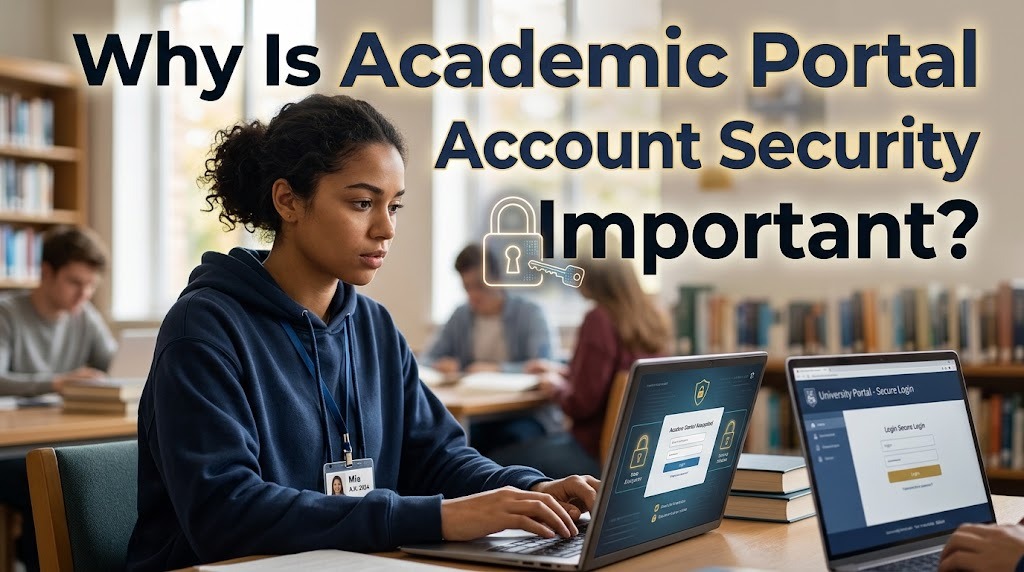
An academic portal provides students, lecturers, and university staff with access to important academic information and administrative services. Users may rely on the platform to check grades, register for courses, view personal records, and receive official announcements. Because these activities involve personal and academic data, protecting account access is essential for maintaining privacy and ensuring that the system is used appropriately.
Academic portal account security helps prevent unauthorized access, misuse of personal information, and unwanted changes to academic records. Students and university staff can contribute to account protection by using strong passwords, recognizing suspicious messages, and following the institution's security procedures. Universities also have an important role in maintaining secure systems and managing user permissions responsibly.
PROTECTING PERSONAL AND ACADEMIC INFORMATION
One important reason for maintaining academic portal security is to protect personal and academic information. Student accounts may contain names, identification numbers, contact details, grades, enrollment records, and other information that should only be accessible to authorized users.
If an account is accessed without permission, private information could be viewed, copied, or misused. Such incidents may affect a student's privacy and create difficulties in managing academic activities. Protecting account credentials and using secure devices can reduce the risk of unauthorized access. Universities should also apply suitable data protection measures to ensure that sensitive information is handled responsibly.
PREVENTING UNAUTHORIZED CHANGES TO ACADEMIC RECORDS
Academic portals may allow authorized users to manage course registration, update personal information, submit grades, or perform other academic tasks. If an unauthorized person gains access to an account, they may attempt to change information or perform actions without the account owner's permission.
Maintaining academic account security helps protect the accuracy and reliability of university records. Students should never share their login credentials with other people, even when requesting help with routine academic tasks. Universities can strengthen protection through role-based permissions, authentication procedures, activity monitoring, and clear processes for investigating suspicious account activity.
REDUCING THE RISK OF PHISHING AND ACCOUNT THEFT
Phishing is a form of online fraud in which attackers attempt to trick users into revealing passwords, verification codes, or other sensitive information. These attempts may appear as emails, text messages, or websites that imitate official university communications.
Students should check website addresses carefully before entering their academic portal login details. They should be cautious of unexpected messages that demand immediate action, request confidential information, or direct them to unfamiliar login pages. Using official university links, avoiding suspicious attachments, and reporting questionable messages can help reduce the risk of account theft. Users should also remember that legitimate support staff should not ask them to disclose their passwords.
MAINTAINING ACCESS TO ACADEMIC SERVICES
Students often depend on an academic portal to complete time-sensitive activities, including course registration, checking examination schedules, reviewing grades, and accessing academic announcements. Losing access because of a compromised account can disrupt these activities and create additional administrative work.
Good security practices help students maintain reliable access to their accounts. Using unique passwords, enabling multifactor authentication when available, and keeping recovery information updated can improve protection. Students should also sign out after using shared computers and avoid saving passwords on devices they do not control. If unusual account activity occurs, they should follow the university's official reporting and recovery procedures promptly.
BUILDING A SECURE AND TRUSTWORTHY UNIVERSITY ENVIRONMENT
Academic portal security depends on both individual behavior and institutional safeguards. Students and staff should follow responsible account practices, while universities need to maintain secure systems, update software, review access permissions, and provide guidance on recognizing online threats.
Universities should also establish clear procedures for reporting security incidents and recovering compromised accounts. When users understand their responsibilities and institutions apply appropriate technical controls, the risk of unauthorized access can be reduced. A secure academic environment helps users trust the digital services they rely on for educational and administrative activities.
CONCLUSION
Academic portal account security is important because it protects personal information, helps maintain accurate academic records, reduces the risk of phishing, and supports uninterrupted access to university services. Strong passwords, careful browsing habits, and responsible account management are practical steps that students and staff can take to improve protection.
Universities must also support these efforts through appropriate security controls, user education, and effective incident response procedures. By combining responsible user behavior with reliable institutional safeguards, universities can create a safer digital environment for managing academic information and services.
Recent Posts

Bagaimana Sistem SKS pada Program Kuliah... 22.11.2026/56 View

How Does Technology Make Daily Evaluation... 21.11.2026/86 View

Apa Strategi Menghadapi Kesenjangan antara Kompetensi... 21.11.2026/84 View

Mengapa Inventaris Aset Penting bagi Kelancaran... 21.11.2026/82 View

When Should Musicians Join a Record... 21.11.2026/86 View
