

Why Is An Academic Calendar Important For Improving Student Discipline?
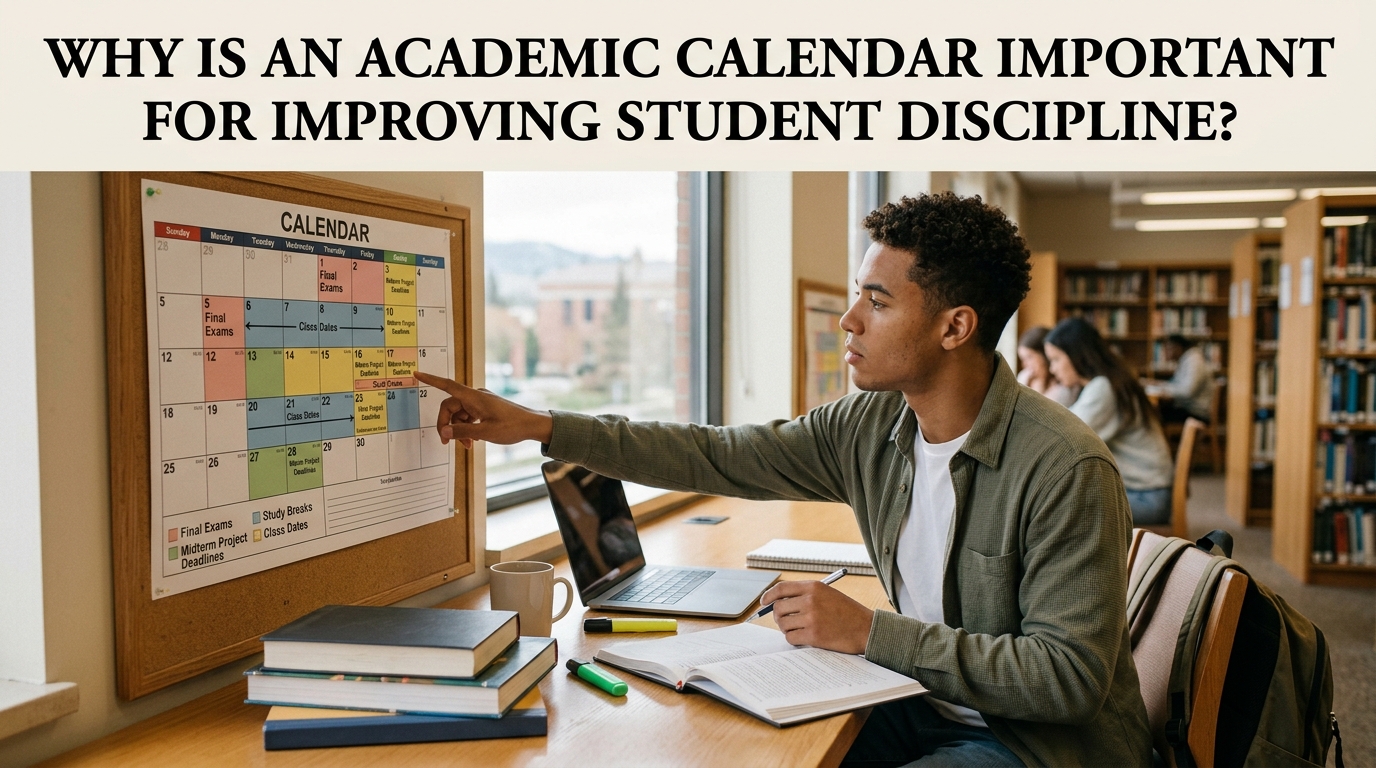
An academic calendar is an essential tool that helps students organize their learning activities and develop better discipline. It provides a clear schedule of important academic events, including class periods, assignment deadlines, examinations, registration dates, and holidays. By following this schedule, students can understand their responsibilities and prepare for upcoming tasks more effectively. An academic calendar also encourages students to manage their time wisely instead of completing everything at the last minute. Using an academic calendar consistently can help students build discipline, improve responsibility, and develop productive study habits.
UNDERSTANDING THE CONNECTION BETWEEN AN ACADEMIC CALENDAR AND STUDENT DISCIPLINE
Student discipline refers to the ability to follow rules, manage responsibilities, and maintain consistent habits when working toward academic goals. It involves attending classes on time, completing assignments according to deadlines, and preparing for examinations regularly. An academic calendar supports these behaviors by providing a clear overview of what students need to do and when they need to do it. With this information, students can organize their priorities and avoid overlooking important responsibilities. A clear academic schedule helps students turn expectations into practical daily actions.
Without proper planning, students may struggle to balance multiple subjects, assignments, and personal activities. They might postpone difficult tasks, forget deadlines, or spend too much time on less important activities. An academic calendar helps reduce these problems by making upcoming responsibilities more visible. Students can use it to establish routines and monitor their progress throughout the semester. Discipline becomes easier to maintain when students have a clear plan and understand their priorities.
DEVELOPING BETTER TIME MANAGEMENT SKILLS
Time management is one of the most important parts of student discipline. An academic calendar allows students to identify busy periods, examination weeks, and major assignment deadlines in advance. They can then divide their available time between attending classes, reviewing lessons, completing assignments, and taking breaks. This approach prevents them from relying entirely on last-minute preparation. Effective time management helps students use their time responsibly and complete tasks more consistently.
Students can improve their schedules by setting aside specific hours for studying each subject. For example, they might review lecture materials after class and reserve additional time for assignments that require research. They should also include enough time for rest and unexpected responsibilities. At the end of each week, students can review their progress and adjust their plans when necessary. A realistic and flexible schedule encourages consistency without creating unnecessary pressure.
ENCOURAGING RESPONSIBILITY AND PUNCTUALITY
An academic calendar reminds students of their responsibilities and encourages them to complete tasks within the expected timeframe. When students know their deadlines in advance, they can prepare materials, organize their work, and submit assignments on time. The calendar also helps them recognize the importance of attending classes and examinations according to the official schedule. These habits can gradually strengthen their sense of responsibility. Following an academic schedule teaches students to respect deadlines and take ownership of their learning.
Punctuality is another important aspect of student discipline. Students who regularly check their schedules are more likely to prepare for classes, examinations, and academic meetings ahead of time. They can plan their travel, arrange study materials, and avoid preventable delays. Although unexpected circumstances may occur, advance preparation makes it easier to respond appropriately. Being punctual demonstrates respect for time, academic commitments, and other people's responsibilities.
REDUCING PROCRASTINATION AND AVOIDING LAST MINUTE WORK
Procrastination occurs when students delay important tasks even though they know those tasks need to be completed. This habit can lead to rushed assignments, poor examination preparation, and unnecessary stress. An academic calendar helps students identify approaching deadlines before their workload becomes overwhelming. They can divide large assignments into smaller steps and set personal deadlines earlier than the official submission date. Breaking tasks into manageable steps makes it easier to begin working and maintain consistent progress.
Students should avoid waiting until they feel completely motivated before starting an assignment. Instead, they can use their calendar to establish a regular study routine and focus on completing one task at a time. For example, a research project can be divided into topic selection, information gathering, drafting, and editing. Completing each stage according to a planned schedule reduces the pressure of doing everything at once. Consistent action is more effective than relying on last-minute effort.
BUILDING CONSISTENT STUDY HABITS
Consistent study habits help students understand lessons more deeply and remember information more effectively. An academic calendar allows them to schedule regular review sessions instead of studying only when examinations approach. They can allocate time to revisit difficult topics, complete practice questions, and prepare for upcoming lessons. Repeating these activities according to a routine makes studying a more natural part of daily life. Regular study sessions encourage discipline and support long-term learning.
Students should choose study times that fit their personal routines and learning needs. Some may prefer studying in the morning, while others may concentrate better in the afternoon or evening. The most important factor is maintaining a realistic routine and following it as consistently as possible. If a session is missed, students can adjust their plans and continue rather than abandoning the schedule entirely. Small, repeated efforts can create stronger habits than occasional periods of intensive study.
BALANCING ACADEMIC RESPONSIBILITIES AND PERSONAL LIFE
Student discipline does not mean spending every available hour studying. Students also need time for sleep, exercise, family, friendships, and recreational activities. An academic calendar helps them see how academic commitments fit alongside these personal responsibilities. By planning ahead, they can make time for relaxation without neglecting assignments or examinations. A balanced schedule supports both academic performance and personal well-being.
Students can use their calendars to avoid conflicts between academic deadlines and extracurricular activities. If several major assignments are due in the same week, they can begin working earlier or temporarily reduce less urgent activities. They should also protect sufficient time for rest because exhaustion can make concentration and time management more difficult. When unexpected events occur, the schedule can be adjusted to reflect changing priorities. Healthy balance makes student discipline more sustainable over the long term.
USING DIGITAL CALENDARS TO STRENGTHEN DISCIPLINE
Digital calendars provide convenient ways for students to organize their academic schedules. They can record assignment deadlines, examination dates, class times, and important campus events in one place. Many applications also provide notifications that remind students about upcoming responsibilities. These features can reduce the likelihood of forgetting important dates and help students prepare in advance. Digital reminders support discipline by making academic commitments easier to track.
However, using a digital calendar effectively requires regular updates and consistent attention. Students should verify schedule information through official school or university announcements, especially when dates change. They should also avoid creating unrealistic plans with too many tasks for a single day. Reviewing the calendar each morning or evening can help them identify their priorities and prepare for the next day. Technology is most useful when students combine it with personal commitment and responsible planning.
CONCLUSION
An academic calendar is important for improving student discipline because it helps students organize responsibilities, manage time, and maintain consistent study habits. It encourages punctuality, reduces procrastination, and makes academic deadlines easier to follow. By planning assignments early, reviewing lessons regularly, and balancing studies with personal activities, students can develop greater responsibility and independence. Digital reminders and weekly schedule reviews can make this process even more effective. When students use an academic calendar consistently, they build the discipline needed to achieve academic goals and prepare for future responsibilities.
Recent Posts

Bagaimana Sistem SKS pada Program Kuliah... 22.11.2026/50 View

How Does Technology Make Daily Evaluation... 21.11.2026/79 View

Apa Strategi Menghadapi Kesenjangan antara Kompetensi... 21.11.2026/79 View

Mengapa Inventaris Aset Penting bagi Kelancaran... 21.11.2026/75 View

When Should Musicians Join a Record... 21.11.2026/80 View
