

Why Is Character Education Important For The Development Of Young People?
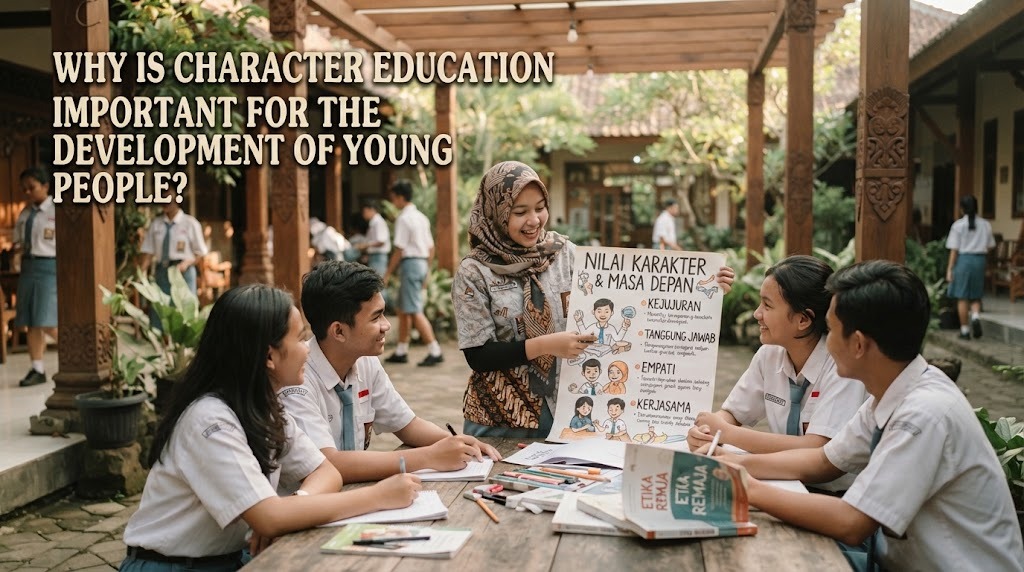
Character education is an important part of young people’s development because it helps them build good attitudes, responsible behavior, and strong values. Academic knowledge can help students understand subjects, but character shapes how they use that knowledge in daily life. Young people face many influences from family, school, friends, and social media, so they need positive values to make good decisions. Through character education, they can learn how to respect others, manage emotions, take responsibility, and solve problems wisely. Therefore, character education plays an important role in preparing young people to become responsible, confident, and respectful individuals.
BUILDING STRONG PERSONAL VALUES
Character education helps young people understand the importance of honesty, responsibility, discipline, respect, and empathy. These values guide them when they make decisions at school, at home, or in their social environment. For example, honesty teaches students to tell the truth even when they may face consequences. Responsibility encourages them to complete their duties and accept the results of their actions. By practicing these values regularly, young people can develop a strong moral foundation.
Strong personal values also help young people understand what is right and wrong in different situations. They become more careful when responding to problems because they consider the impact of their actions on themselves and others. Good character is not formed instantly, but develops through repeated habits and positive examples. Parents, teachers, and communities can support this process by showing consistent behavior. As a result, young people can carry these values into their future education, relationships, and careers.
DEVELOPING SOCIAL AND EMOTIONAL SKILLS
Young people need more than academic knowledge to build healthy relationships with others. Character education teaches them how to communicate respectfully, cooperate, listen, and understand different perspectives. These skills are useful when students work in groups or interact with people who have different opinions. Learning empathy can also help them recognize the feelings and difficulties experienced by others. This can reduce conflicts and encourage more positive relationships.
Character education also supports emotional development. Young people may experience stress, disappointment, anger, or uncertainty as they grow. Learning how to control emotions and respond calmly can help them deal with these situations more effectively. Instead of reacting immediately, they can learn to think about possible consequences before taking action. These emotional and social skills can become valuable foundations for their future personal and professional lives.
ENCOURAGING RESPONSIBLE DECISION MAKING
Young people make many decisions that can influence their education, friendships, habits, and future goals. Character education helps them develop the ability to consider consequences before making choices. They learn that freedom should be balanced with responsibility. For example, a student may need to decide whether to complete an assignment honestly or copy someone else’s work. Understanding integrity can encourage the student to choose the responsible action even when it is difficult.
Responsible decision making is especially important in the digital environment. Young people can easily encounter information, opinions, and online content that may influence their behavior. Critical thinking and self-control can help them evaluate information and avoid harmful choices. Character education does not simply tell students what to do, but helps them understand why responsible behavior matters. This allows them to become more independent and thoughtful when facing everyday challenges.
PREPARING YOUNG PEOPLE FOR FUTURE CHALLENGES
The modern world continues to change because of technology, globalization, and new developments in education and employment. Young people need to adapt while maintaining strong ethical principles. Character education can help them become flexible without losing important values such as honesty, respect, and responsibility. These qualities can support them when they face competition, failure, pressure, or unexpected changes. Good character can also encourage them to keep learning instead of giving up easily.
In the workplace, technical skills are important, but employers also value people who can work responsibly, communicate well, and cooperate with others. A person with strong character is more likely to build trust with colleagues and complete tasks professionally. Character education therefore prepares young people not only to achieve personal success but also to contribute positively to society. It gives them a foundation for becoming dependable members of their communities.
BUILDING RESPECT AND TOLERANCE
Young people interact with individuals who may have different personalities, backgrounds, opinions, and experiences. Character education teaches the importance of respecting differences and practicing tolerance. Students can learn that disagreement does not always mean that someone is wrong or deserves to be treated badly. Instead, they can discuss differences calmly and listen to other viewpoints. This creates a healthier environment at school and in the wider community.
Respect and tolerance are also important for preventing bullying, discrimination, and unnecessary conflict. When young people understand empathy, they may become more aware of how their words and actions affect others. Teachers and parents can strengthen these values by encouraging inclusive behavior and resolving conflicts fairly. Over time, these habits can help create young adults who appreciate diversity and treat others with dignity.
INCREASING CONFIDENCE AND INDEPENDENCE
Character education can also support young people in developing self-confidence and independence. When students are encouraged to take responsibility for their actions, they gradually learn to trust their own abilities. They can become more willing to express opinions, solve problems, and make decisions. Positive character development also teaches them that mistakes are opportunities to learn rather than reasons to stop trying. This mindset can make them more resilient when facing difficulties.
Independence does not mean doing everything alone. Instead, it means being able to recognize responsibilities, ask for help when necessary, and make thoughtful decisions. Confidence combined with responsibility can help young people handle challenges without depending completely on others. These qualities are useful as they move from school to higher education, work, and adult life. Therefore, character education can contribute to both personal growth and long-term development.
THE ROLE OF FAMILY AND SCHOOL
Character education becomes more effective when families and schools work together. Parents can teach values through everyday examples, such as keeping promises, respecting others, and accepting responsibility. Teachers can reinforce these values through classroom activities, group projects, discussions, and fair rules. Young people are more likely to develop positive habits when the adults around them demonstrate the behavior they expect. Consistency is important because children and teenagers often learn from what they observe.
Schools can also create environments where positive character is practiced rather than only discussed. Students can be given opportunities to cooperate, help others, lead activities, and solve problems responsibly. Positive reinforcement and constructive guidance can encourage them to continue developing good habits. When family and school provide similar messages, young people receive stronger support for their character development. This cooperation can help turn positive values into everyday behavior.
CONCLUSION
Character education is important for the development of young people because it builds values, social skills, emotional maturity, responsibility, and confidence. It helps them make better decisions, respect others, manage challenges, and prepare for future education and careers. Academic achievement remains important, but knowledge becomes more meaningful when it is supported by good character and ethical behavior. Families, schools, and communities all have an important role in creating an environment that encourages positive character development. With strong character, young people can grow into responsible, respectful, independent, and capable adults who contribute positively to society.
Recent Posts

Bagaimana Sistem SKS pada Program Kuliah... 22.11.2026/35 View

How Does Technology Make Daily Evaluation... 21.11.2026/69 View

Apa Strategi Menghadapi Kesenjangan antara Kompetensi... 21.11.2026/69 View

Mengapa Inventaris Aset Penting bagi Kelancaran... 21.11.2026/67 View

When Should Musicians Join a Record... 21.11.2026/68 View
