

Why Is Character Education Important In The Digital Era?
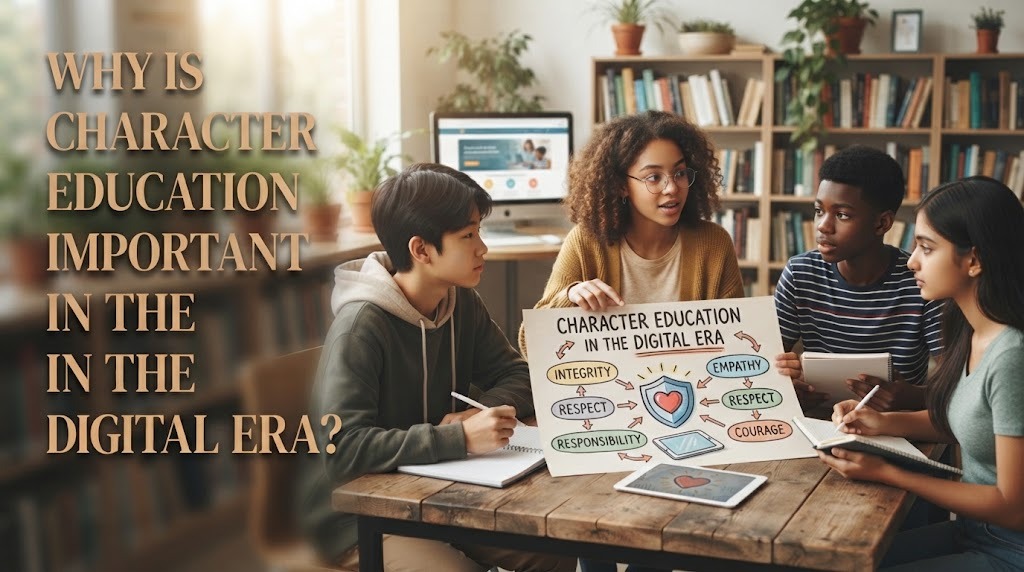
The digital era has changed the way students learn, communicate, work, and interact with other people. Smartphones, social media, online platforms, and digital tools provide many opportunities for education and personal development. However, technology can also create challenges such as misinformation, cyberbullying, excessive screen use, privacy risks, and unhealthy online behavior. Students therefore need more than digital skills to use technology wisely. Character education can help students develop the values and attitudes needed to make responsible choices in a connected world.
DEVELOPING RESPONSIBLE DIGITAL BEHAVIOR
Character education helps students understand that their actions online can affect other people. Responsibility encourages students to think carefully before posting, commenting, sharing, or sending digital content. They can learn that online actions may have consequences for themselves and others. Students should also understand the importance of respecting rules and other people's personal information. These habits can support responsible digital behavior.
Responsible technology use also involves knowing when and how to use digital devices appropriately. Students can learn to balance online activities with studying, sleeping, exercising, and face-to-face communication. Parents and teachers can provide guidance about healthy technology habits. Instead of simply banning devices, adults can explain the reasons behind responsible use. This approach helps students gradually develop self-control and digital responsibility.
BUILDING DIGITAL ETHICS
The internet allows people to communicate quickly, but it can also make harmful behavior easier. Character education can teach students important values such as honesty, respect, fairness, empathy, and integrity. These values can guide students when they communicate through social media, games, online classrooms, and other digital platforms. Students can learn that being behind a screen does not remove their responsibility toward others. Digital ethics therefore becomes an important part of modern character education.
Students should also understand that not everything online should be copied, shared, or used without permission. Academic honesty can be practiced by creating original work and properly acknowledging sources when needed. Respect for other people's content and privacy is also important. Teachers can use real-life digital situations to help students understand ethical choices. This can prepare students to become responsible participants in online communities.
TEACHING CRITICAL THINKING
The digital era gives students access to a huge amount of information. However, not all online information is accurate, reliable, or trustworthy. Character education can support critical thinking by encouraging students to question information before accepting or sharing it. Students can learn to check sources, compare information, and consider evidence. These habits can reduce the risk of spreading false or misleading information.
Critical thinking also helps students avoid making decisions based only on emotions or online trends. A popular post is not automatically a reliable source of information. Teachers can encourage students to discuss why certain information appears convincing and how it can be verified. This makes students more careful and responsible when using digital media. Good character and critical thinking can work together to support wiser online decisions.
PREVENTING CYBERBULLYING
Cyberbullying is one of the challenges that students may encounter in digital environments. Hurtful comments, embarrassing posts, threats, or repeated online harassment can negatively affect another person's well-being. Character education can teach students the importance of empathy, kindness, and respect when communicating online. Students can learn that digital communication should not be used to intentionally hurt or humiliate others. They should also know how to seek help when they experience or witness harmful behavior.
Schools can create clear expectations for online behavior and explain how students should respond to cyberbullying. Students can be encouraged to avoid joining harmful conversations or sharing content that attacks another person. They can also learn how to report inappropriate behavior through suitable channels. Empathy helps students consider how another person may feel before they act. This can contribute to a safer and more respectful digital environment.
PROTECTING PRIVACY AND SECURITY
Character education can also encourage students to take privacy and security seriously. Students often share photos, personal information, opinions, and other content online. They need to understand that sharing information without careful consideration can create risks. Good digital habits include using strong passwords, protecting personal information, and being careful when interacting with unfamiliar people or websites. These behaviors reflect responsibility and self-awareness.
Students should also respect the privacy of other people. They should not share someone's photo, message, or personal information without appropriate permission. Teachers and parents can explain these issues through simple examples that students encounter in daily life. Learning about privacy helps students become more careful about their digital footprint. Responsible digital citizens understand that privacy is important for themselves and others.
DEVELOPING SELF CONTROL
Digital platforms are designed to attract attention, so students may find it difficult to control how much time they spend online. Character education can help students develop self-control and discipline when using technology. They can learn to set priorities and avoid allowing digital entertainment to interfere with important responsibilities. Managing screen time can also support healthy routines and concentration. These habits are especially useful for students who use digital devices for both education and entertainment.
Self-control does not mean avoiding technology completely. Digital tools can provide valuable resources for learning, creativity, communication, and collaboration. The goal is to help students understand when technology is useful and when they need to take a break. Parents and teachers can support students by encouraging balanced routines. Over time, students can become more capable of managing their digital habits independently.
PREPARING STUDENTS FOR THE FUTURE
Character education is important because students will continue to use digital technology in higher education, workplaces, businesses, and everyday life. Technical skills alone may not be enough to handle the responsibilities that come with digital environments. Students also need integrity, adaptability, communication skills, responsibility, and respect. These values can influence how they work with technology and interact with other people. Strong character can therefore support students as they enter an increasingly connected future.
The digital world will continue to change, and students may encounter technologies that do not yet exist today. Character education helps them develop principles that can remain useful even when technology changes. Students who can think critically, act ethically, and adapt to new situations may be better prepared for future challenges. Digital competence becomes more meaningful when it is combined with strong character. This combination can help students use technology as a tool for positive growth.
CONCLUSION
Character education is increasingly important in the digital era because technology affects almost every part of students' lives. It helps students develop responsibility, digital ethics, critical thinking, empathy, self-control, privacy awareness, and respect. These qualities can help them respond wisely to challenges such as misinformation, cyberbullying, excessive screen use, and online privacy risks. Schools and families can strengthen these values by providing guidance and positive examples in everyday digital situations. By combining digital skills with strong character, students can become responsible, ethical, and confident users of technology.
Recent Posts

Bagaimana Sistem SKS pada Program Kuliah... 22.11.2026/35 View

How Does Technology Make Daily Evaluation... 21.11.2026/69 View

Apa Strategi Menghadapi Kesenjangan antara Kompetensi... 21.11.2026/69 View

Mengapa Inventaris Aset Penting bagi Kelancaran... 21.11.2026/67 View

When Should Musicians Join a Record... 21.11.2026/68 View
