

Why Is Collaboration Between Vice Principals and Teachers Important for School Development?
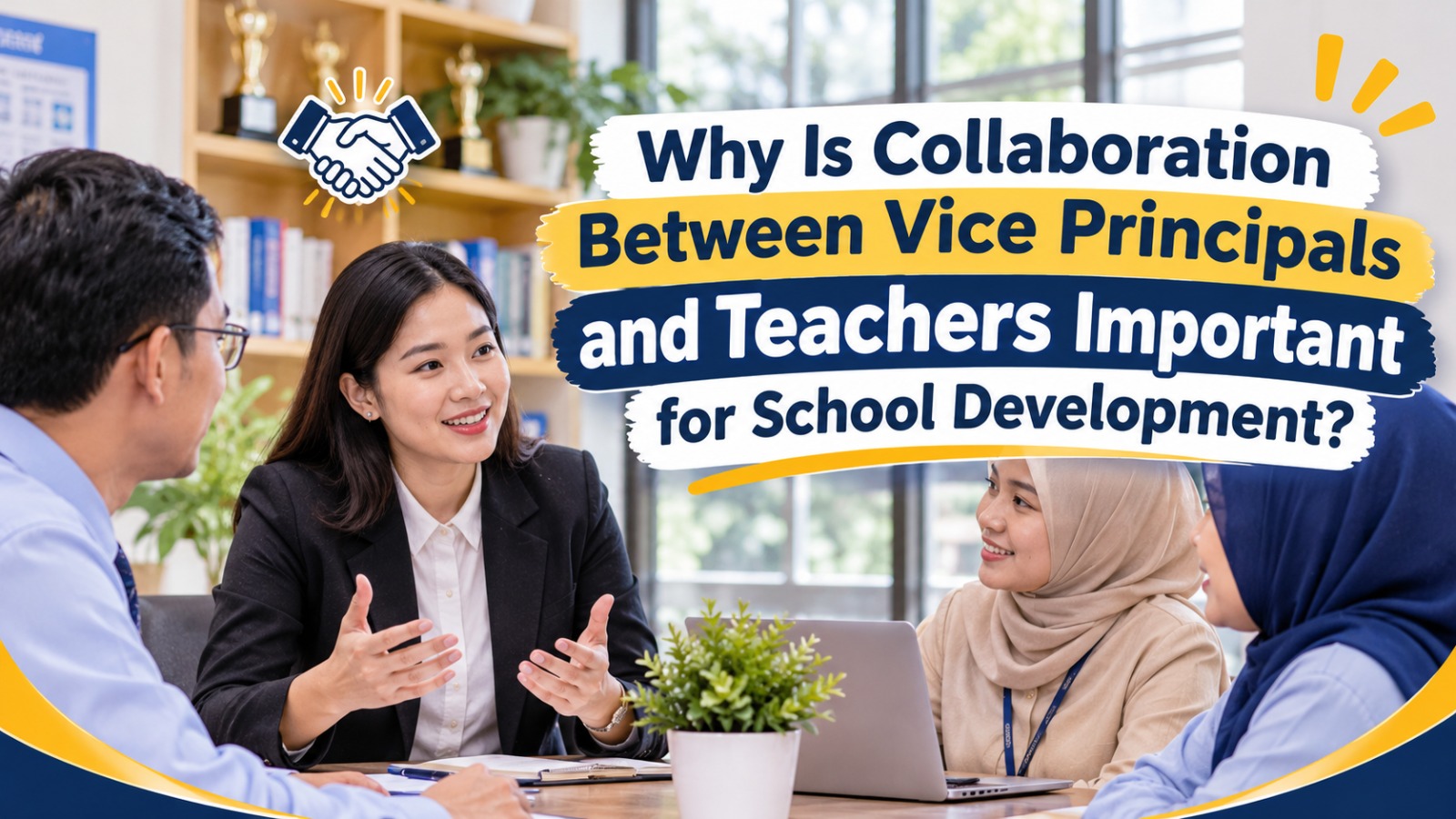
Collaboration between vice principals and teachers is an important factor in creating effective school management and improving educational quality. Both have different responsibilities, but they share the same goal of providing the best possible learning experience for students. Vice principals are responsible for supporting school leadership, coordinating educational programs, and supervising various school activities, while teachers focus on delivering lessons and guiding students' development. When these two groups work together, they can identify problems, exchange ideas, and develop solutions that support school improvement. Strong cooperation also creates a more organized working environment and encourages everyone to contribute to achieving the school's vision and mission.
IMPROVING THE QUALITY OF TEACHING AND LEARNING
One of the main benefits of collaboration between vice principals and teachers is the improvement of teaching and learning quality. Teachers understand students' learning needs through their daily classroom experiences, while vice principals can provide supervision and organizational support. By discussing classroom challenges and evaluating teaching activities together, both parties can identify effective strategies to improve learning outcomes. This cooperation helps ensure that teaching programs are relevant to students' abilities and educational requirements.
Furthermore, vice principals can encourage teachers to develop innovative teaching methods that make lessons more engaging. Teachers can share their experiences and suggest approaches such as group discussions, project-based learning, classroom presentations, and practical activities. The vice principal can support these ideas by coordinating school programs and providing appropriate resources when available. Through collaborative teaching improvement, schools can create more effective learning experiences and help students understand educational materials more deeply.
STRENGTHENING TEACHER PROFESSIONAL DEVELOPMENT
Teachers need continuous professional development to maintain and improve their teaching competencies. Changes in curriculum, educational technology, and student learning needs require teachers to update their knowledge and instructional abilities. Vice principals can support this process by organizing training sessions, workshops, professional discussions, and other development programs. Collaboration allows teachers to communicate their professional needs and receive guidance that matches their classroom responsibilities.
In addition, vice principals can encourage experienced teachers to share their knowledge with colleagues who need additional support. Activities such as peer observation, mentoring, and collaborative lesson planning can strengthen professional relationships and improve teaching practices. Constructive feedback also helps teachers recognize their strengths and identify areas that require improvement. Through continuous professional development and knowledge sharing, schools can build a more competent, confident, and productive teaching workforce.
BUILDING EFFECTIVE COMMUNICATION AND TEAMWORK
Effective communication is essential for maintaining strong relationships between vice principals and teachers. Both parties need to exchange information about school policies, learning schedules, student performance, classroom conditions, and educational programs. When communication is clear, teachers can understand school expectations and vice principals can receive accurate information about classroom situations. This reduces misunderstandings and helps prevent problems from becoming more complicated.
Teamwork also allows school members to complete responsibilities more efficiently. Regular meetings, open discussions, and collaborative planning sessions provide opportunities for teachers to express their opinions and contribute ideas. Vice principals should create an environment where teachers feel comfortable sharing suggestions and discussing difficulties. By developing open communication and strong teamwork, schools can establish a positive professional culture based on trust, respect, and shared responsibility.
SUPPORTING STUDENT ACHIEVEMENT AND DEVELOPMENT
Collaboration between vice principals and teachers is also important for improving students' academic and nonacademic achievement. Teachers can identify students who experience learning difficulties, demonstrate special talents, or need additional guidance. Vice principals can help coordinate appropriate support programs based on the information provided by teachers. These programs may include remedial learning, academic competitions, counseling, extracurricular activities, and student development initiatives.
Beyond academic results, students also need opportunities to develop social and personal abilities. Teachers can guide students in the classroom, while vice principals can support programs that encourage leadership, creativity, discipline, and teamwork. Both parties can monitor student progress and evaluate whether educational activities provide meaningful benefits. Through student-centered collaboration, schools can provide more balanced opportunities for students to develop their abilities and reach their full potential.
SOLVING SCHOOL PROBLEMS AND MAINTAINING DISCIPLINE
Every school may experience problems involving student behavior, classroom management, communication, or the implementation of educational programs. Collaboration helps vice principals and teachers understand these problems from different perspectives. Teachers often have direct knowledge of classroom situations, while vice principals can coordinate solutions involving school policies and other relevant departments. Sharing information makes it easier to identify the causes of problems and determine appropriate actions.
For example, when students repeatedly violate school regulations, teachers can report their observations to the vice principal. Both parties can then discuss suitable guidance, counseling, or communication with parents. A similar approach can be applied when students experience learning difficulties or conflicts with classmates. Through coordinated problem-solving and consistent discipline, vice principals and teachers can maintain a safe, organized, and supportive school environment.
SUPPORTING SCHOOL PROGRAMS AND LONG-TERM DEVELOPMENT
School development requires careful planning and cooperation between different educational stakeholders. Vice principals and teachers need to work together when preparing academic programs, extracurricular activities, school events, and institutional improvement initiatives. Teachers can provide practical suggestions based on classroom experiences, while vice principals help coordinate schedules, resources, and program implementation. This cooperation ensures that school activities are realistic and aligned with educational objectives.
Furthermore, collaboration makes it easier to evaluate school programs and identify opportunities for improvement. Vice principals and teachers can review student achievement, teaching performance, participation levels, and the effectiveness of existing activities. The evaluation results can become a foundation for developing better strategies in the future. By maintaining shared planning, continuous evaluation, and institutional cooperation, schools can strengthen their management systems and achieve sustainable educational development.
CONCLUSION
Collaboration between vice principals and teachers is important because it supports teaching quality, professional development, effective communication, student achievement, problem-solving, and long-term school improvement. Both parties have different responsibilities, but their cooperation helps ensure that educational activities operate effectively and meet students' needs. Successful collaboration requires mutual respect, open communication, shared responsibility, teamwork, and commitment to educational goals. When vice principals and teachers exchange ideas and support one another, they can create a stronger professional environment and respond more effectively to school challenges. Ultimately, strong cooperation contributes to better school management, improved educational quality, and meaningful student development.
Recent Posts

Bagaimana Sistem SKS pada Program Kuliah... 22.11.2026/12 View

How Does Technology Make Daily Evaluation... 21.11.2026/63 View

Apa Strategi Menghadapi Kesenjangan antara Kompetensi... 21.11.2026/64 View

Mengapa Inventaris Aset Penting bagi Kelancaran... 21.11.2026/61 View

When Should Musicians Join a Record... 21.11.2026/59 View
