

Why Is Communication Between Homeroom Teachers and Parents Important?
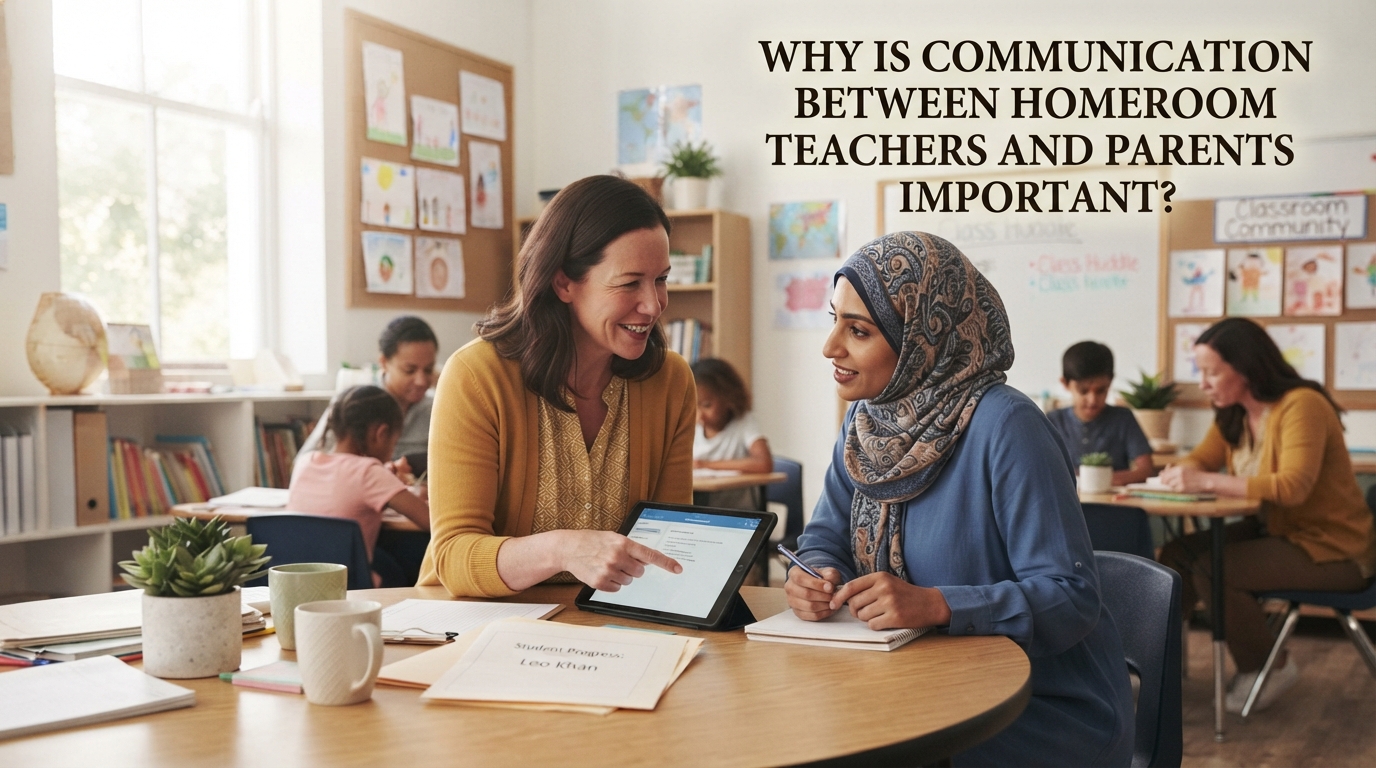
Communication between homeroom teachers and parents plays an important role in supporting students' educational development. Teachers observe students' academic performance, behavior, and participation at school, while parents understand their children's habits, personalities, and experiences at home. Sharing this information helps both parties gain a more complete understanding of students' needs and challenges. Through effective communication, teachers and parents can work together to create a supportive environment that encourages students to learn and grow.
Education is not only the responsibility of schools but also requires involvement from families. When parents and homeroom teachers maintain regular communication, they can identify problems earlier, discuss appropriate solutions, and monitor students' progress more effectively. This cooperation also helps students develop discipline, confidence, and responsibility. Therefore, communication between homeroom teachers and parents is essential for improving educational experiences and supporting students' long-term success.
MONITORING STUDENTS' ACADEMIC DEVELOPMENT
One of the main reasons communication between homeroom teachers and parents is important is to monitor students' academic development. Teachers can share information about examination results, classroom participation, assignment completion, and learning difficulties. Meanwhile, parents can explain their children's study habits and learning conditions at home. Combining these perspectives helps both parties understand students' academic progress more accurately.
Through regular discussions, teachers and parents can identify subjects that require additional attention. For example, if a student frequently struggles with mathematics or has difficulty completing assignments, both parties can discuss suitable learning strategies. Parents can provide additional support at home, while teachers can offer guidance during school activities. This cooperation helps students improve their academic performance and develop more effective learning habits.
IDENTIFYING STUDENT PROBLEMS EARLY
Regular communication allows homeroom teachers and parents to recognize potential student problems before they become more serious. Some students may experience difficulties with attendance, classroom discipline, friendships, or academic motivation. Teachers may notice changes in students' behavior at school, while parents may observe different signs at home. Sharing these observations helps identify problems that might otherwise remain unnoticed.
Early identification also makes it easier to provide appropriate support. Teachers and parents can discuss possible causes, evaluate the student's situation, and decide on suitable steps. If necessary, they can involve school counselors or other qualified professionals to provide additional assistance. This collaborative approach supports early problem identification and prevents small challenges from negatively affecting students' development.
DEVELOPING STUDENTS' DISCIPLINE AND RESPONSIBILITY
Communication between teachers and parents is essential for developing students' discipline and responsibility. Schools establish rules related to punctuality, attendance, classroom behavior, and assignment completion, while parents help reinforce positive habits at home. When both parties communicate consistently, students receive clearer expectations about their responsibilities. This consistency makes it easier for students to understand the importance of following rules.
Furthermore, teachers can inform parents about behavioral improvements or repeated disciplinary problems. Parents can then discuss these matters with their children and encourage more responsible decisions. Instead of relying only on punishment, both parties should focus on helping students understand the consequences of their actions. Through consistent guidance, students can develop self-discipline, accountability, and positive behavior.
BUILDING TRUST AND COOPERATION BETWEEN SCHOOL AND FAMILY
A strong relationship between homeroom teachers and parents creates a foundation of trust and cooperation. Parents need to feel comfortable discussing their children's educational needs, while teachers should be open to receiving information and suggestions from families. Respectful communication helps prevent misunderstandings and encourages both parties to work toward common educational goals. It also creates a more positive relationship between the school and the family.
Trust can be developed through regular updates, honest discussions, and professional communication. Teachers should provide accurate information about students without making unfair judgments, while parents should communicate their concerns respectfully. Both parties must recognize that they share an important responsibility for supporting students. Strong cooperation creates a reliable school and family partnership that benefits the entire educational process.
SUPPORTING STUDENTS' EMOTIONAL AND SOCIAL DEVELOPMENT
Students' success depends not only on academic achievement but also on their emotional and social development. Changes in behavior, reduced confidence, social conflicts, or a lack of motivation may indicate that students need additional attention. Homeroom teachers can communicate observations from the classroom, while parents can provide information about their children's emotional conditions at home. This exchange helps both parties understand students more comprehensively.
With better understanding, teachers and parents can provide appropriate encouragement and support. They can help students develop confidence, manage emotions, build healthy friendships, and communicate their feelings effectively. When serious emotional or psychological concerns arise, cooperation with school counselors or qualified professionals may be necessary. This support helps protect students' emotional well-being and encourages healthy social relationships.
FINDING EFFECTIVE SOLUTIONS TO STUDENT CHALLENGES
Every student may face different challenges throughout their educational journey. Some experience learning difficulties, while others struggle with attendance, discipline, social relationships, or adapting to school environments. Homeroom teachers and parents can work together to understand these situations and identify practical solutions. Discussing problems from different perspectives helps prevent decisions based on incomplete information.
For example, if a student frequently arrives late, teachers can inform parents and discuss possible causes, such as transportation difficulties or poor time management. Both parties can then agree on realistic steps to improve punctuality. If academic problems occur, they can coordinate additional learning support and monitor the results. This collaborative process encourages effective problem-solving and ensures that students receive appropriate assistance.
IMPROVING STUDENTS' MOTIVATION AND CONFIDENCE
Positive communication between homeroom teachers and parents can strengthen students' motivation and confidence. Teachers can share students' achievements, improvements, and positive classroom participation with their families. Parents can use this information to appreciate their children's efforts and encourage them to continue learning. Recognition from both teachers and parents helps students feel valued and supported.
In addition, teachers and parents should avoid comparing students with others because every individual has different abilities and learning progress. Instead, they should focus on personal improvement and encourage students to set realistic goals. When students receive consistent encouragement at school and at home, they are more likely to develop a positive attitude toward education. This cooperation strengthens student motivation and supports long-term learning progress.
USING EFFECTIVE COMMUNICATION METHODS
Effective communication requires appropriate methods and clear information. Homeroom teachers and parents can communicate through parent-teacher meetings, telephone calls, messaging applications, emails, or official school communication platforms. The method should be selected based on the urgency of the issue, the school's communication policies, and the needs of both parties. Regular updates can help parents stay informed about their children's educational activities.
However, communication should remain respectful, professional, and focused on relevant student information. Teachers and parents should avoid sharing confidential student details with unauthorized individuals. They should also provide accurate information and allow opportunities for questions or clarification. By maintaining open and effective communication, both parties can build stronger relationships and coordinate student support more successfully.
CONCLUSION
Communication between homeroom teachers and parents is important because it helps monitor academic development, identify student problems early, strengthen discipline, and support emotional and social growth. Through regular discussions and information sharing, teachers and parents can understand students' needs more completely and find appropriate solutions to different challenges. Their cooperation also builds trust and creates a consistent support system between school and home.
Ultimately, successful education requires active cooperation between teachers, parents, and students. Homeroom teachers should maintain clear, respectful, and professional communication, while parents should participate in supporting their children's development. When both parties work together, students have better opportunities to become confident, responsible, motivated, and successful individuals.
Recent Posts

How Does Technology Make Daily Evaluation... 21.11.2026/56 View

Apa Strategi Menghadapi Kesenjangan antara Kompetensi... 21.11.2026/58 View

Mengapa Inventaris Aset Penting bagi Kelancaran... 21.11.2026/52 View

When Should Musicians Join a Record... 21.11.2026/53 View

Daily Evaluation or Daily Planning Which... 21.11.2026/60 View
