

Why Is Communication One of the Most Valuable Professional Skills?
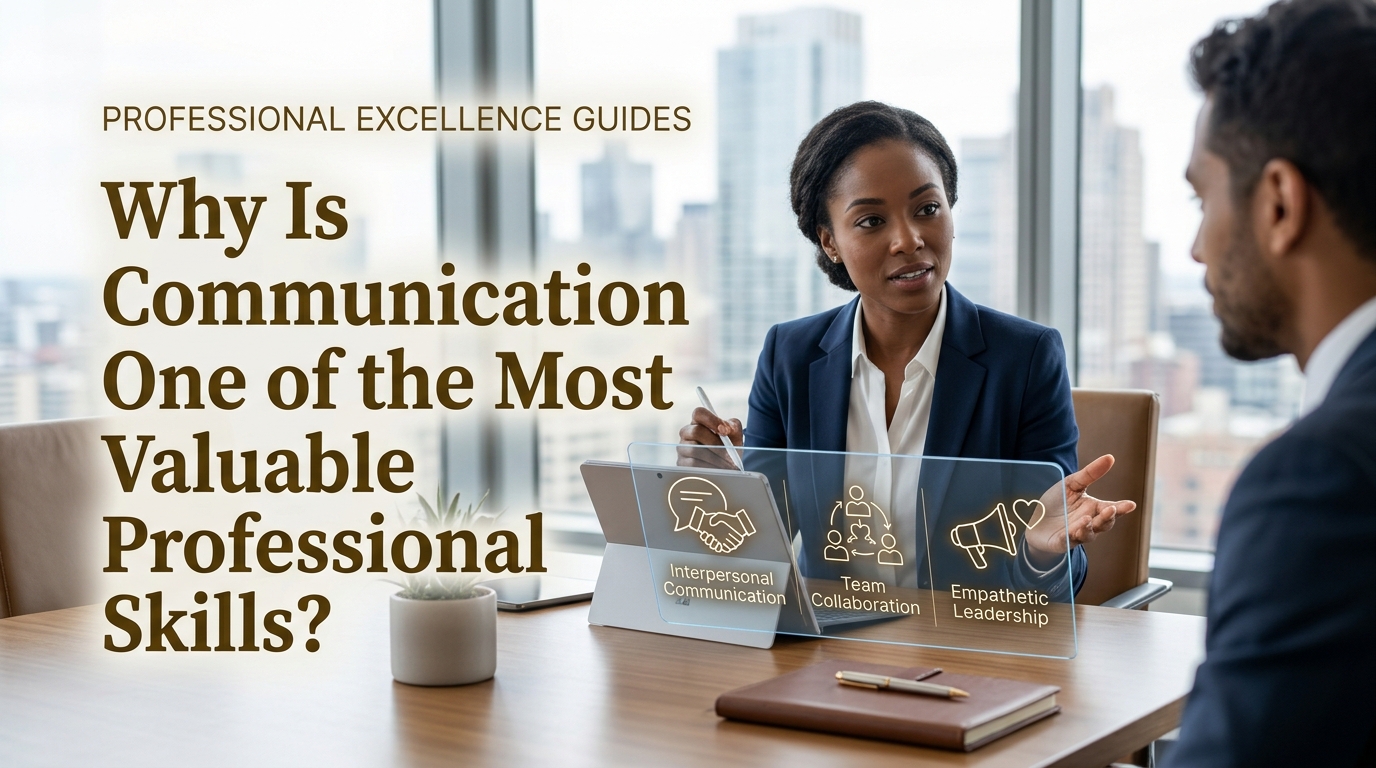
In today's competitive workplace, professional success depends on more than technical knowledge and academic qualifications. Employees also need the ability to share information, understand others, express ideas, and build positive working relationships. These abilities make communication skills one of the most valuable competencies in almost every industry. Whether someone works in business, education, healthcare, technology, or management, effective communication plays an important role in achieving professional goals.
Good communication helps employees collaborate with colleagues, understand instructions, solve problems, and maintain productive relationships with clients. It also supports leadership, teamwork, and better decision-making within organizations. As workplaces become more collaborative and digitally connected, professionals who can communicate clearly have an advantage in handling different responsibilities. Understanding the importance of communication can help individuals improve their performance and build stronger career opportunities.
WHAT ARE PROFESSIONAL COMMUNICATION SKILLS?
Professional communication skills refer to the ability to exchange information, ideas, and opinions clearly and appropriately in a workplace environment. These skills involve speaking, writing, listening, and understanding nonverbal messages. Effective communication is not simply about delivering information but also ensuring that the intended message is understood correctly by others.
In professional settings, communication can happen through face-to-face conversations, meetings, emails, reports, presentations, and digital platforms. Each situation requires an appropriate communication style depending on the audience and purpose. For example, employees may use formal language when writing business reports but adopt a more conversational approach when discussing daily tasks with colleagues. Developing these abilities helps individuals become more confident, professional, and effective when interacting with others.
WHY IS COMMUNICATION ONE OF THE MOST VALUABLE PROFESSIONAL SKILLS?
Communication is valuable because almost every workplace activity involves exchanging information between individuals or teams. Employees need to understand instructions, explain their progress, discuss challenges, and share ideas to complete their responsibilities effectively. Without clear communication, even employees with excellent technical abilities may struggle to work productively with others.
Companies also depend on effective communication to maintain coordination and achieve organizational objectives. Managers need to provide clear directions, employees must understand their responsibilities, and teams need to exchange information accurately. Strong communication can reduce misunderstandings, improve cooperation, and support better business decisions. For this reason, effective communication is considered an essential professional skill that contributes to both individual performance and organizational success.
COMMUNICATION IMPROVES TEAMWORK AND COLLABORATION
Teamwork requires individuals to share responsibilities, exchange ideas, and work toward common objectives. Good communication allows team members to understand their roles, discuss different perspectives, and coordinate tasks more effectively. When everyone can express their opinions clearly, teams are more likely to avoid confusion and complete projects according to established expectations.
Communication also creates an environment where employees feel comfortable sharing suggestions and asking questions. This encourages collaboration because team members can learn from one another and contribute their knowledge. For example, during a group project, clear discussions help employees divide tasks, monitor progress, and address difficulties. Strong communication and collaboration skills can therefore improve teamwork and create a more productive working environment.
COMMUNICATION HELPS PREVENT MISUNDERSTANDINGS
Misunderstandings can occur when information is incomplete, unclear, or delivered without considering the audience. In workplaces, these problems may lead to mistakes, missed deadlines, unnecessary conflicts, and inefficient processes. Effective communication helps reduce these risks by ensuring that instructions and expectations are explained properly.
Active listening is equally important because communication involves receiving information, not just delivering messages. Employees should pay attention, ask relevant questions, and confirm important details when necessary. For example, repeating key instructions or summarizing meeting decisions can help ensure that everyone understands what needs to be done. By developing clear communication habits, professionals can minimize workplace misunderstandings and improve the accuracy of their work.
COMMUNICATION STRENGTHENS LEADERSHIP ABILITIES
Leadership and communication are closely connected because effective leaders must guide, motivate, and support their teams. Managers need to explain organizational goals, provide instructions, communicate expectations, and give constructive feedback. Without strong communication abilities, it can be difficult for leaders to build trust and maintain team coordination.
Good leaders also know how to listen to their employees and understand their concerns. This allows them to make more informed decisions and create a supportive working environment. They should communicate changes transparently and encourage team members to contribute ideas. Developing leadership communication skills can help professionals become more confident in managing responsibilities and guiding others toward shared goals.
COMMUNICATION SUPPORTS PROBLEM-SOLVING AND DECISION-MAKING
Problem-solving often requires employees to exchange information, examine different perspectives, and discuss possible solutions. Effective communication makes this process easier because individuals can explain problems clearly and share relevant information. It also allows teams to evaluate suggestions before deciding on the most appropriate approach.
Good communication supports better decision-making by ensuring that important details are understood. For example, employees may need to explain project delays, present performance data, or discuss customer feedback with their managers. Clear explanations help decision-makers identify the actual problem and consider realistic solutions. Therefore, communication combined with critical thinking and analytical skills can improve workplace problem-solving and support more effective decisions.
COMMUNICATION BUILDS PROFESSIONAL RELATIONSHIPS
Positive professional relationships are important for creating a healthy and supportive workplace. Employees who communicate respectfully can build trust, understand different perspectives, and develop stronger connections with colleagues. These relationships can improve cooperation and make daily professional interactions more comfortable.
Communication is also essential when dealing with clients, customers, suppliers, and business partners. Professionals need to understand their expectations, respond to questions, and provide accurate information. For example, good customer communication can help resolve complaints and maintain customer satisfaction. By demonstrating empathy, respect, and professionalism, employees can develop strong professional relationships that support long-term career growth.
COMMUNICATION INCREASES CAREER OPPORTUNITIES
Communication skills can influence how employers evaluate candidates during recruitment and career development. Companies often look for individuals who can explain their ideas, participate in discussions, write professionally, and interact effectively with different people. Candidates who demonstrate these abilities may have an advantage when applying for positions that require teamwork or client interaction.
These skills also support professional advancement after someone joins an organization. Employees who can present ideas clearly, negotiate effectively, and communicate with managers may be better prepared for leadership responsibilities. Good communication can also help professionals build networks and establish valuable industry connections. Therefore, improving communication can increase employability, professional credibility, and career opportunities.
TYPES OF COMMUNICATION SKILLS EVERY PROFESSIONAL SHOULD DEVELOP
Communication consists of several different abilities that work together to create effective interactions. Each type has a specific purpose and can be useful in different workplace situations. Professionals should understand these categories to identify which abilities they need to improve.
The following are important types of communication skills:
- Verbal Communication: The ability to express ideas clearly through speaking during meetings, discussions, interviews, and presentations.
- Written Communication: The ability to prepare professional emails, reports, proposals, and other written documents.
- Nonverbal Communication: The ability to use facial expressions, gestures, posture, and eye contact appropriately.
- Active Listening: The ability to pay attention, understand messages, and respond thoughtfully to other people's statements.
- Presentation Skills: The ability to organize information and explain ideas confidently to an audience.
- Interpersonal Communication: The ability to interact respectfully and build positive relationships with different individuals.
- Digital Communication: The ability to exchange information professionally through email, messaging applications, and virtual meeting platforms.
Each type of communication contributes to workplace effectiveness. Professionals do not need to use every communication method in the same way because the appropriate approach depends on the situation. However, developing a balanced combination of these abilities can improve overall professional performance.
HOW TO IMPROVE COMMUNICATION SKILLS IN THE WORKPLACE
Communication skills can be developed through regular practice, constructive feedback, and a willingness to learn. Individuals should identify their communication weaknesses and focus on improving specific areas. For example, someone who struggles with public speaking can practice giving presentations, while someone who has difficulty listening can work on paying closer attention during conversations.
Here are several practical ways to improve professional communication:
- Practice Active Listening: Focus on what others are saying and avoid interrupting before they finish explaining their ideas.
- Use Clear Language: Choose simple and direct words to communicate information without creating confusion.
- Improve Writing Skills: Practice preparing professional emails, reports, and messages with clear structures.
- Develop Public Speaking: Participate in presentations, discussions, and professional events to build confidence.
- Ask for Feedback: Request suggestions from colleagues, supervisors, or mentors to identify areas for improvement.
- Understand Your Audience: Adjust your language, tone, and communication approach according to the situation.
- Practice Empathy: Consider other people's perspectives and respond with respect when discussing different opinions.
Consistency is important when developing these abilities. Small improvements in daily interactions can gradually create better communication habits. Professionals should also be open to constructive criticism because feedback can reveal weaknesses that may not be immediately noticeable. Through continuous practice, individuals can become more confident and effective communicators.
THE IMPORTANCE OF DIGITAL COMMUNICATION IN MODERN WORKPLACES
Technology has changed how employees exchange information and collaborate with one another. Many organizations now use emails, instant messaging, video conferencing, and cloud-based platforms to coordinate daily activities. As a result, digital communication skills have become an important part of professional competence.
Communicating through digital platforms requires clarity, appropriate language, and an understanding of professional etiquette. Employees should write messages that are easy to understand, respond within reasonable timeframes, and respect communication boundaries. They should also know when a message requires a written response and when a virtual meeting or direct conversation would be more effective. Developing digital communication abilities helps professionals collaborate efficiently, especially in remote and hybrid working environments.
CONCLUSION
Communication is one of the most valuable professional skills because it supports teamwork, leadership, problem-solving, decision-making, and professional relationships. Employees who communicate effectively can share information accurately, understand different perspectives, and contribute more confidently to organizational goals. These abilities are important across almost every industry and career position.
Improving communication requires continuous practice in speaking, writing, listening, and interacting with others. Professionals should also develop empathy, digital communication, and presentation abilities to meet the demands of modern workplaces. By strengthening communication skills, individuals can improve their professional performance, increase their employability, and create better opportunities for long-term career success.
Recent Posts

Bagaimana Sistem SKS pada Program Kuliah... 22.11.2026/40 View

How Does Technology Make Daily Evaluation... 21.11.2026/72 View

Apa Strategi Menghadapi Kesenjangan antara Kompetensi... 21.11.2026/73 View

Mengapa Inventaris Aset Penting bagi Kelancaran... 21.11.2026/69 View

When Should Musicians Join a Record... 21.11.2026/73 View
