

Why Is Community Participation Important During Sports Week?
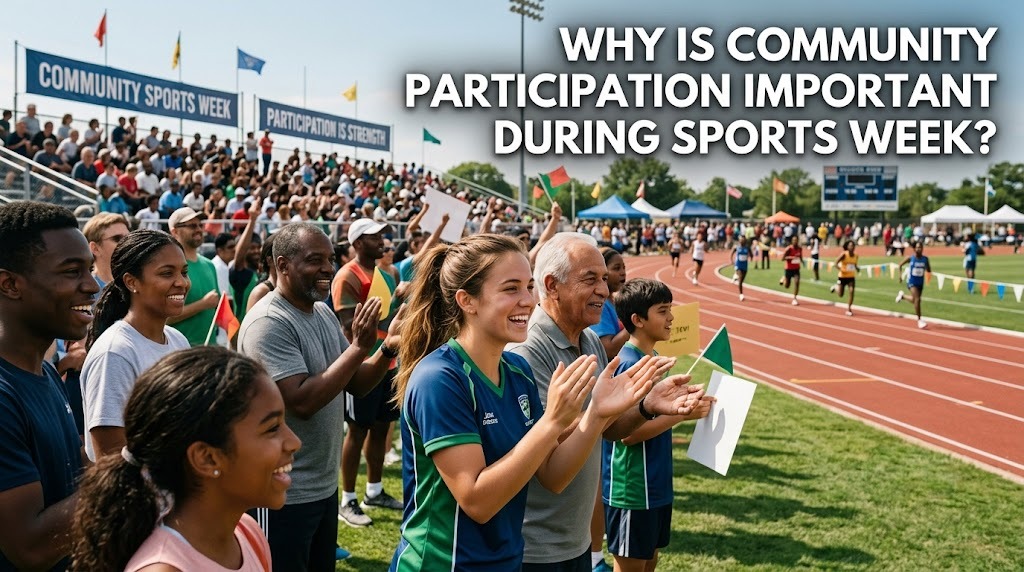
ports Week is an event that brings people together through physical activities, friendly competitions, and teamwork. It is commonly organized in schools, universities, workplaces, and local communities to encourage people to become more active while building stronger social relationships. However, the success of Sports Week does not depend only on athletes, competition schedules, or the quality of sports facilities. Community participation is equally important because it creates an environment where people can contribute, cooperate, and support one another. When students, teachers, parents, volunteers, organizers, and local residents become involved, Sports Week becomes a meaningful activity that benefits everyone. Beyond providing entertainment, the event can strengthen unity, improve communication, develop positive values, and encourage people to maintain healthier lifestyles.
STRENGTHENING COMMUNITY UNITY
Community participation is important during Sports Week because it brings people together to achieve a common goal. Participants may come from different backgrounds, age groups, educational levels, and social environments, but they can interact through sports and shared activities. These interactions create opportunities to understand different perspectives, develop mutual respect, and build closer relationships. For example, students from different classes can work together to support their teams, while parents and teachers can cooperate to make competitions more enjoyable. Even when people support different teams, they can learn to appreciate one another's achievements and maintain a friendly atmosphere. This sense of unity can reduce social distance and encourage people to focus on shared experiences rather than their differences. As a result, Sports Week can strengthen the relationship between individuals and create a more connected and supportive community.
DEVELOPING TEAMWORK AND COOPERATION
Teamwork is one of the most important skills developed through community participation during Sports Week. Organizing a successful event requires cooperation among athletes, teachers, volunteers, committees, and spectators. Each group has different responsibilities, such as preparing sports facilities, arranging equipment, managing registration, coordinating schedules, and maintaining order throughout the activities. When community members understand their roles and complete their responsibilities properly, the event can run more smoothly. Participants also learn to communicate clearly, listen to different opinions, solve problems, and make decisions together. These experiences demonstrate that success often depends on collective effort rather than individual ability alone. The teamwork skills developed during Sports Week can also be applied in classroom projects, professional environments, and daily social interactions, making community participation valuable beyond the event itself.
PROMOTING HEALTHY LIFESTYLES AND PHYSICAL ACTIVITY
Community participation can encourage more people to become physically active and pay greater attention to their health. Some individuals may hesitate to participate in sports because they lack confidence, have limited experience, or feel uncomfortable exercising in front of others. A welcoming Sports Week environment can help reduce these concerns by providing opportunities to participate with friends, family members, and supportive community members. Activities such as running, badminton, volleyball, basketball, walking competitions, and traditional games can make exercise more enjoyable and accessible. Regular physical activity can improve cardiovascular fitness, muscle strength, coordination, and overall physical well-being. It can also support mental health by helping reduce stress and providing opportunities for positive social interaction. When community members continue exercising after Sports Week ends, the event can contribute to healthier long-term habits rather than offering only temporary entertainment.
SUPPORTING YOUNG ATHLETES AND DISCOVERING NEW TALENTS
Sports Week provides an opportunity for young athletes to demonstrate their abilities, gain experience, and develop confidence. Community participation makes this experience more valuable because encouragement from parents, teachers, coaches, friends, and spectators can motivate participants to perform to the best of their abilities. Support is particularly important for beginners who may feel nervous about competing in front of an audience or comparing their performance with more experienced athletes. Through friendly competition, young participants can learn to recognize their strengths, identify areas for improvement, and accept constructive feedback. Sports Week can also help teachers and coaches identify individuals who show potential in particular sports and may benefit from additional training. However, identifying talent should not be the only objective of the event. Appreciating effort, discipline, progress, and sportsmanship helps every participant feel valued, regardless of whether they win a medal or finish in a leading position.
CREATING AN INCLUSIVE AND WELCOMING ENVIRONMENT
Community participation helps ensure that Sports Week is welcoming to people with different abilities, backgrounds, interests, and levels of athletic experience. An inclusive event does not focus exclusively on skilled athletes but also provides opportunities for beginners and individuals who simply want to enjoy physical activities. Organizers can offer a variety of competitions, recreational games, and activities with different levels of difficulty to encourage wider participation. They should also consider accessibility, appropriate facilities, safety requirements, and reasonable adjustments for participants who need additional support. Community members can contribute by respecting differences, avoiding discriminatory behavior, and encouraging others to participate without fear of embarrassment. Spectators also have an important responsibility to maintain a positive atmosphere by avoiding insults, excessive pressure, or unfair treatment toward competing teams. When everyone feels respected and accepted, Sports Week becomes more enjoyable and helps build a community that values equality, cooperation, and mutual understanding.
IMPROVING EVENT ORGANIZATION AND RESOURCE MANAGEMENT
Community participation can improve the planning and implementation of Sports Week by providing additional people, skills, ideas, and resources. Organizing a large event requires careful preparation, including selecting suitable venues, creating competition schedules, preparing equipment, registering participants, and arranging safety procedures. When these tasks are handled by a small group, the workload can become difficult to manage. Volunteers and community members can help distribute responsibilities, making it easier for organizers to focus on important decisions and unexpected problems. Local organizations, businesses, or community groups may also contribute suitable facilities, equipment, refreshments, or financial support when available. In addition, community feedback can help organizers understand participants' needs and identify improvements for future events. With clear communication, transparent responsibilities, and responsible resource management, community participation can make Sports Week more efficient, affordable, and well organized.
BUILDING POSITIVE VALUES AND LONG-TERM SOCIAL RELATIONSHIPS
Sports Week offers an important opportunity for community members to practice positive values through real experiences. Athletes learn to follow rules, accept decisions, respect opponents, and remain responsible for their behavior during competition. Volunteers develop discipline by completing assigned duties, while organizers learn the importance of fairness, honesty, and accountability. Parents, teachers, and community leaders can reinforce these lessons by demonstrating respectful behavior and appreciating the efforts of all participants. The event also allows people to meet individuals they might not normally interact with, creating opportunities for new friendships and stronger social networks. These relationships can lead to further cooperation in educational activities, neighborhood programs, and other community initiatives. When positive values are consistently encouraged, Sports Week can contribute to a culture of respect, responsibility, and mutual support that continues well beyond the final competition.
CONCLUSION
Community participation is essential to making Sports Week successful, inclusive, and beneficial for everyone involved. Its importance extends beyond helping organizers prepare competitions because it also strengthens unity, develops teamwork, promotes physical activity, and provides support for young athletes. Through active involvement, community members can help create an environment where people of different abilities and backgrounds feel welcome and respected. Their contributions can improve event organization, encourage responsible use of resources, and ensure that activities meet the needs of participants. Sports Week also provides valuable opportunities to develop discipline, fairness, sportsmanship, and lasting social relationships. These benefits are most likely to continue when organizers encourage broad participation, distribute responsibilities fairly, and evaluate the event after it finishes. Ultimately, community participation transforms Sports Week from a series of sporting competitions into a shared experience that promotes healthier lifestyles, stronger relationships, and a more cooperative community.
Recent Posts

Bagaimana Sistem SKS pada Program Kuliah... 22.11.2026/50 View

How Does Technology Make Daily Evaluation... 21.11.2026/79 View

Apa Strategi Menghadapi Kesenjangan antara Kompetensi... 21.11.2026/79 View

Mengapa Inventaris Aset Penting bagi Kelancaran... 21.11.2026/75 View

When Should Musicians Join a Record... 21.11.2026/80 View
