

Why Is Cooperation Between Tourism Groups and Small Businesses Important for Village Tourism?
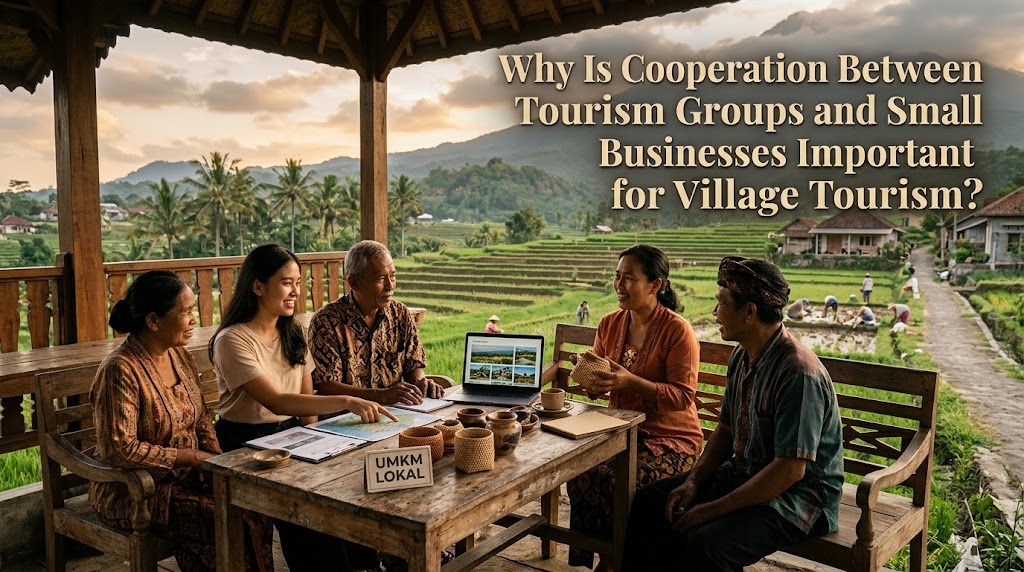
Village tourism development involves more than attracting visitors to local destinations. It also requires cooperation between different community groups, especially Village Tourism Awareness Groups and small businesses. These two parties have important roles in creating tourism experiences, providing local products, and supporting the village economy. Tourism groups help organize and promote destinations, while small businesses provide services and products that visitors need. When they work together effectively, both can create economic opportunities, improve visitor satisfaction, and strengthen the competitiveness of village tourism destinations.
UNDERSTANDING THE RELATIONSHIP BETWEEN TOURISM GROUPS AND SMALL BUSINESSES
Village Tourism Awareness Groups, commonly known as Pokdarwis in Indonesia, are community organizations that encourage residents to participate in tourism development. Their activities may include identifying local attractions, organizing tourism programs, maintaining destination facilities, and promoting village tourism. They also help connect local communities with village governments and other tourism stakeholders. Their main objective is to develop tourism through active community participation.
Small businesses, meanwhile, provide products and services that support tourism activities. These businesses may include traditional food sellers, souvenir producers, homestay operators, local transportation providers, handicraft makers, and restaurants. Their products often reflect the unique characteristics of the village and give visitors opportunities to experience local culture. Through business collaboration, tourism groups and small businesses can create a stronger tourism ecosystem that benefits different members of the community.
INCREASING LOCAL ECONOMIC OPPORTUNITIES
Cooperation between tourism groups and small businesses can create new sources of income for local residents. When tourism groups successfully attract visitors, demand for food, accommodation, transportation, souvenirs, and other services may increase. Small businesses can take advantage of these opportunities by offering products that meet visitor needs. This creates economic activities that involve different groups within the village.
The benefits can extend beyond business owners because increased tourism demand may create additional employment opportunities. Residents can work as tour guides, food producers, shop assistants, craft makers, drivers, or hospitality workers. Local suppliers may also receive more orders from tourism-related businesses. With proper coordination, local economic growth can become more inclusive and provide financial benefits to a wider part of the community.
IMPROVING VISITOR EXPERIENCES AND TOURISM SERVICES
Visitors usually expect more than attractive scenery when exploring a village destination. They may also look for comfortable accommodation, local food, transportation, interesting activities, and opportunities to purchase souvenirs. Tourism groups can work with small businesses to organize these services into more complete tourism experiences. For example, a village tour package may combine a guided visit to natural attractions, traditional meals, handicraft activities, and local accommodation.
Cooperation also helps improve service quality because tourism groups and business owners can discuss visitor expectations and identify areas that need improvement. They can establish basic service standards, exchange information, and coordinate operating schedules. Businesses can also receive feedback from tourism groups about common visitor complaints or requests. Through better tourism services, destinations can create positive impressions and encourage visitors to return or recommend the village to others.
PROMOTING LOCAL PRODUCTS AND CULTURAL IDENTITY
Small businesses often produce goods that represent the culture, traditions, and natural resources of their villages. These products may include traditional snacks, regional beverages, woven crafts, clothing, agricultural products, and handmade souvenirs. Tourism groups can help introduce these products to visitors through promotional events, cultural festivals, tourism packages, and destination information centers. This cooperation gives local businesses more opportunities to reach potential customers.
Promoting local products also helps preserve traditional knowledge and strengthen village identity. For example, handicraft producers can introduce visitors to traditional production techniques, while local food businesses can explain the history of regional dishes. These activities provide meaningful experiences while supporting local producers. Local product promotion allows tourism development to become a way of introducing cultural heritage and encouraging appreciation for community-based businesses.
STRENGTHENING PARTNERSHIPS AND COMMUNITY PARTICIPATION
Cooperation between tourism groups and small businesses can strengthen relationships among different community members. Regular meetings and joint activities allow residents to exchange ideas, discuss problems, and develop programs based on shared interests. Tourism groups can help coordinate these activities so that business owners have opportunities to participate in destination development. This approach encourages a sense of responsibility and ownership among local stakeholders.
Partnerships can also involve village governments, regional tourism offices, educational institutions, and private companies. These institutions may provide training, financial assistance, promotional support, or technical guidance for tourism and business development. Small businesses can benefit from improved knowledge and access to new markets, while tourism groups can obtain additional support for destination management. Community partnerships help create a more organized tourism environment and encourage long-term cooperation.
SUPPORTING SUSTAINABLE VILLAGE TOURISM DEVELOPMENT
Sustainable tourism requires economic activities that provide benefits without damaging the environment or weakening local cultural identity. Tourism groups and small businesses can cooperate to promote responsible business practices, reduce waste, use local resources efficiently, and maintain clean public spaces. For example, food businesses can reduce unnecessary plastic packaging, while tourism groups can organize waste management programs and educate visitors about environmental responsibility. These actions help maintain destination quality.
Cooperation is also important for ensuring that tourism benefits are distributed fairly among local businesses and residents. Tourism groups can encourage transparent partnerships and provide opportunities for small businesses with different financial capacities. They can also monitor tourism activities and identify problems that may affect the community or environment. Through sustainable tourism management, village tourism can develop while protecting the resources that support local livelihoods.
CONCLUSION
Cooperation between tourism groups and small businesses is important because both contribute to the development of attractive, competitive, and sustainable village tourism destinations. Tourism groups help organize and promote attractions, while small businesses provide products and services that improve visitor experiences. Their partnership can increase local income, create employment opportunities, preserve cultural identity, and strengthen community participation. Ultimately, strong collaboration between tourism groups and local businesses helps ensure that tourism development provides long-term benefits for the entire village community.
Recent Posts

Bagaimana Sistem SKS pada Program Kuliah... 22.11.2026/37 View

How Does Technology Make Daily Evaluation... 21.11.2026/70 View

Apa Strategi Menghadapi Kesenjangan antara Kompetensi... 21.11.2026/73 View

Mengapa Inventaris Aset Penting bagi Kelancaran... 21.11.2026/68 View

When Should Musicians Join a Record... 21.11.2026/71 View
