

Why Is Copyright Protection Important in the Music Industry?
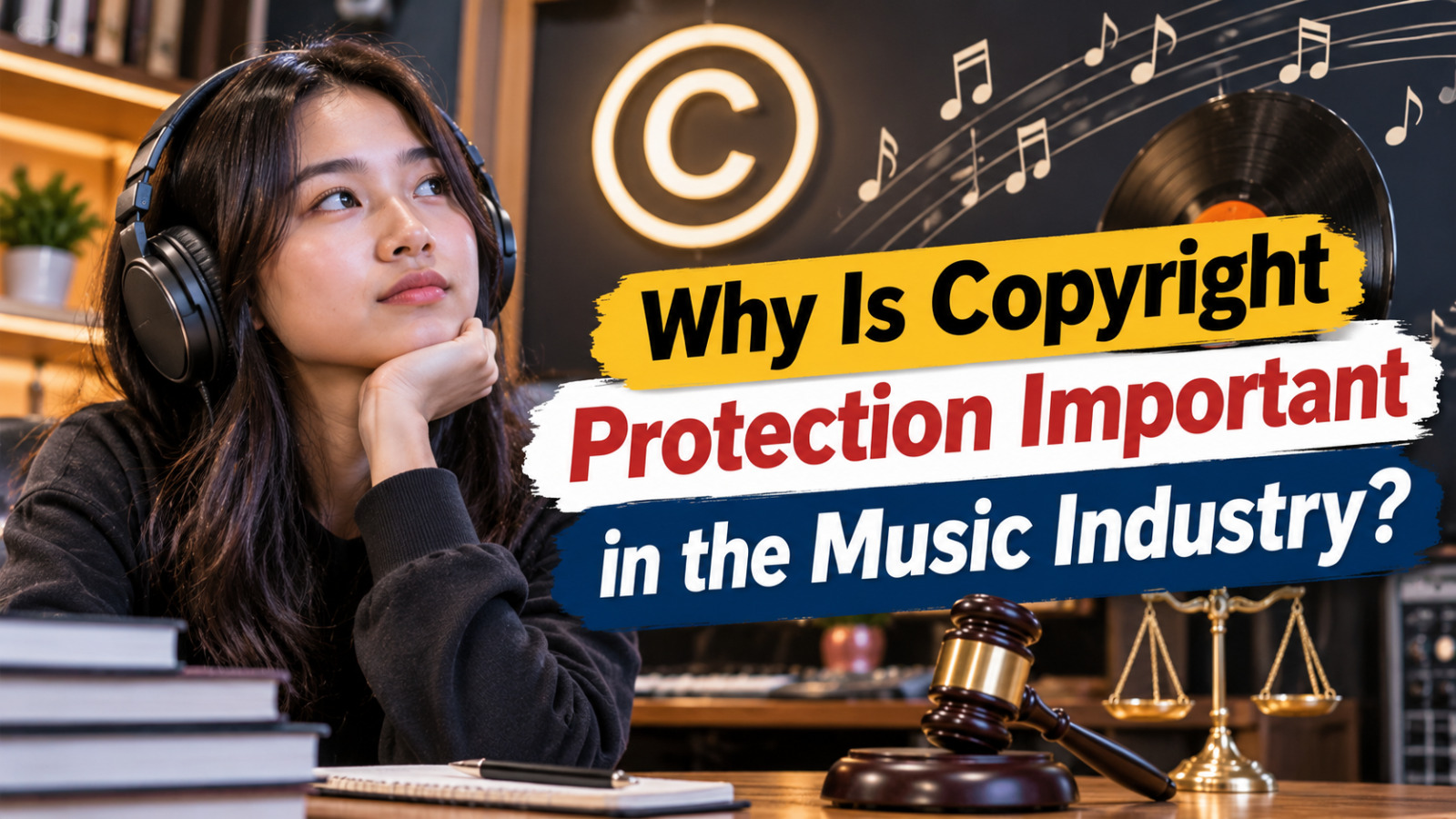
Copyright protection is essential in the music industry because it safeguards the creative work and legal rights of musicians, songwriters, composers, and other music creators. Every song involves creative effort, time, and sometimes significant financial investment. Without proper legal protection, musical works can be copied, distributed, or used commercially without the creator's permission.
In the digital era, music can spread across streaming platforms, social media, and websites within seconds. Although this creates opportunities for artists to reach wider audiences, it also increases the risk of unauthorized use. Copyright protection helps maintain fairness, protect creative ownership, and support the long-term development of the music industry.
PROTECTING THE RIGHTS OF MUSIC CREATORS
Copyright gives music creators legal protection over their original works. This includes musical compositions, lyrics, and other eligible creative elements. Songwriters and composers have rights that help them control how their music is reproduced, distributed, performed, and used under applicable copyright laws.
This protection is important because creators deserve recognition and control over the work they produce. Without copyright protection, other individuals or businesses could use musical compositions without obtaining the necessary permission. Legal ownership and creator recognition help ensure that musicians and songwriters receive appropriate protection for their contributions.
PREVENTING MUSIC PIRACY AND UNAUTHORIZED USE
Music piracy is one of the major problems affecting the music industry. It occurs when copyrighted music is copied, distributed, or made available without the necessary authorization. Unauthorized downloads, illegal uploads, and unlicensed commercial use can affect the income and control of music creators.
Copyright protection provides legal mechanisms to address these activities. Music creators and rights holders can take action when their works are used unlawfully, depending on the applicable laws and circumstances. Digital platforms also have procedures for handling copyright complaints and unauthorized content. Strong copyright awareness can encourage individuals and businesses to respect music ownership and obtain proper licenses before using songs.
ENSURING FAIR ROYALTY PAYMENTS
Copyright protection supports the collection and distribution of music royalties. When copyrighted music is streamed, broadcast, performed publicly, or used commercially, rights holders may be entitled to payments according to applicable laws and licensing agreements. These payments provide an important source of income for songwriters, composers, publishers, performers, and other eligible rights holders.
Clear ownership records help identify who has the right to receive royalties from a particular musical work. If copyright information is incomplete or inaccurate, payment distribution can become complicated. Proper registration, documentation, and royalty administration can reduce disputes and improve transparency. Fair compensation allows music creators to benefit financially from the use of their creative work.
SUPPORTING MUSIC BUSINESS AND INDUSTRY GROWTH
Copyright protection creates a more reliable business environment for the music industry. Record labels, music publishers, streaming platforms, advertisers, and production companies need clear licensing arrangements before using copyrighted material. These agreements establish the permitted uses of music and explain how the relevant rights holders may receive compensation.
A strong copyright system also encourages investment in music production and creative projects. Businesses are more likely to develop professional partnerships when ownership and licensing arrangements are clear. Artists can explore opportunities such as commercial collaborations, music licensing, and international distribution while maintaining control over their rights. Legal certainty and fair licensing practices help strengthen the music industry's economic development.
PROTECTING THE FUTURE OF DIGITAL MUSIC
Digital technology has made music distribution faster and more accessible than ever before. However, it has also created new challenges involving unauthorized uploads, artificial intelligence, digital sampling, and the use of music in online content. Copyright protection helps establish rules for managing these activities and respecting the rights of creators.
Artists, music companies, digital platforms, and policymakers need to work together to address these challenges. Public education about copyright is also important so that listeners and content creators understand how to use music legally. As technology continues to develop, effective copyright protection will remain necessary to balance innovation with creative ownership. This balance supports a healthier environment for future musicians and music businesses.
CONCLUSION
Copyright protection is important in the music industry because it safeguards creative ownership, prevents unauthorized music use, supports fair royalty payments, and encourages business development. It also helps establish clear rules for using music across digital platforms and commercial activities. Respecting copyright means protecting the rights, income, and creative contributions of music creators. A strong copyright system is therefore essential for building a fair and sustainable music industry.
Recent Posts

How Does Technology Make Daily Evaluation... 21.11.2026/55 View

Apa Strategi Menghadapi Kesenjangan antara Kompetensi... 21.11.2026/57 View

Mengapa Inventaris Aset Penting bagi Kelancaran... 21.11.2026/51 View

When Should Musicians Join a Record... 21.11.2026/52 View

Daily Evaluation or Daily Planning Which... 21.11.2026/59 View
