

Why Is Cultural Heritage Important for National Identity?
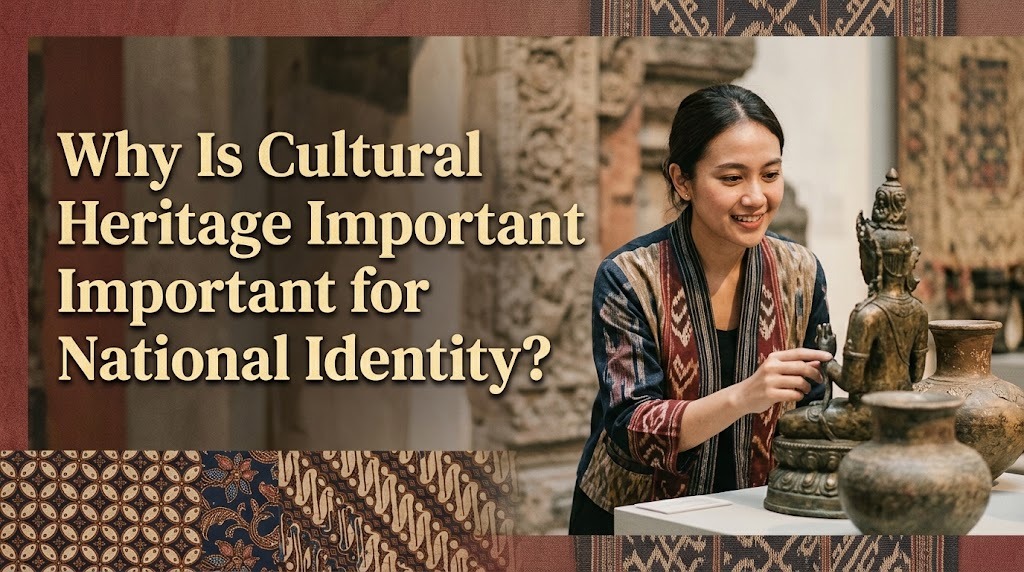
Cultural heritage plays an important role in shaping national identity and helping people understand their history, values, and traditions. It connects past generations with the present and provides a foundation for building a shared sense of belonging. In many countries, cultural heritage can be seen in traditional clothing, languages, historical buildings, music, dances, festivals, and local customs.
In a diverse country such as Indonesia, cultural heritage reflects the richness of different ethnic groups and communities. Preserving these traditions helps people appreciate their roots while respecting cultural differences. Understanding the relationship between cultural heritage and national identity is essential for maintaining cultural diversity and strengthening unity in modern society.
UNDERSTANDING CULTURAL HERITAGE AND NATIONAL IDENTITY
Cultural heritage refers to the traditions, objects, knowledge, and practices passed down from one generation to another. It includes tangible heritage, such as historical monuments, traditional houses, temples, and ancient artifacts. It also includes intangible heritage, such as traditional dances, local languages, oral stories, music, ceremonies, and traditional knowledge. These cultural elements reflect the experiences, creativity, and values of communities throughout history.
National identity is the shared sense of belonging that connects people to their country. It can be influenced by a nation's history, cultural traditions, language, symbols, and collective experiences. Cultural heritage contributes to national identity by providing meaningful connections between people and their homeland. Although citizens may have different backgrounds, they can recognize and appreciate cultural traditions as part of their country's broader identity.
PRESERVING HISTORY AND COLLECTIVE MEMORY
Cultural heritage helps people understand how their nation developed over time. Historical buildings, traditional practices, monuments, and ancient documents provide evidence of past events and the experiences of earlier generations. By learning about these cultural resources, people can discover how their ancestors lived, worked, communicated, and responded to challenges. This knowledge creates a stronger connection between the past and the present.
Collective memory is important because it helps a nation understand its achievements, struggles, and historical changes. For example, historical sites and national monuments can remind citizens of important events that influenced their country's development. Traditional stories and cultural celebrations can also preserve memories that might otherwise disappear. When cultural heritage is protected and studied, future generations have more opportunities to understand their history and develop a meaningful sense of national identity.
STRENGTHENING NATIONAL UNITY AND SOCIAL COHESION
Cultural heritage can bring people together by creating shared experiences and encouraging mutual respect. National celebrations, traditional festivals, historical commemorations, and cultural performances provide opportunities for people to participate in activities that connect them with their communities. These experiences can strengthen feelings of belonging and encourage citizens to appreciate their country's cultural richness. Cultural heritage can therefore contribute to social cohesion, especially in countries with diverse populations.
Indonesia provides a clear example of how cultural diversity can exist alongside national unity. The country has hundreds of local languages and a wide variety of traditional customs, arts, and beliefs. Although these traditions differ across regions, they form part of Indonesia's broader cultural landscape. Respecting this diversity helps citizens recognize that national identity does not require everyone to have the same cultural background. Instead, unity can grow through shared values, mutual understanding, and appreciation of differences.
PROTECTING CULTURAL DIVERSITY AND LOCAL TRADITIONS
Cultural heritage is essential for protecting the unique traditions of different communities. Local languages, traditional crafts, regional music, folk stories, and customary practices contain knowledge that may not be found elsewhere. When these traditions are preserved, communities can maintain their distinctive identities while contributing to the cultural richness of the nation. This diversity makes national identity more meaningful because it represents the experiences of many different groups.
However, cultural diversity can face challenges from urbanization, changing lifestyles, commercial pressures, and declining interest among younger generations. Some traditional languages and practices may disappear when they are no longer regularly used or taught. Communities can respond by documenting traditional knowledge, organizing cultural activities, teaching local languages, and supporting traditional artists. These efforts help ensure that cultural heritage remains a living part of society rather than simply becoming a memory of the past.
PASSING CULTURAL VALUES TO FUTURE GENERATIONS
Cultural heritage provides opportunities to pass important values from older generations to younger people. Traditional stories, ceremonies, crafts, and community activities can teach lessons about responsibility, cooperation, respect, and relationships between people. These values help younger generations understand the principles that have influenced their communities over time. Cultural learning can also encourage them to appreciate the contributions of their ancestors.
Families, schools, cultural organizations, and local communities all have important roles in this process. Parents and grandparents can introduce children to traditional stories, languages, and family customs. Schools can teach students about national history, regional traditions, and the importance of protecting historical sites. Museums, cultural workshops, and community festivals can provide practical learning experiences. When young people participate directly in cultural activities, they are more likely to understand their significance and continue these traditions in the future.
PROMOTING CULTURAL PRIDE AND INTERNATIONAL RECOGNITION
Cultural heritage can strengthen national pride by helping citizens recognize the distinctive contributions their country has made to the world. Traditional arts, architecture, cuisine, textiles, and performing arts can demonstrate a nation's creativity and historical achievements. When people understand the value of these cultural expressions, they may develop greater appreciation for their country's heritage. This pride can encourage communities to protect cultural resources and share their traditions responsibly.
Cultural heritage can also improve international understanding by introducing people from other countries to different histories and ways of life. International exhibitions, cultural festivals, educational exchanges, and heritage tourism allow people to experience traditions beyond their own communities. For example, Indonesian batik, traditional gamelan music, and wayang performances provide opportunities to introduce aspects of Indonesian culture to global audiences. International recognition can increase awareness of these traditions, although preservation should remain a priority so that cultural practices are not changed solely to satisfy commercial interests or tourist expectations.
ADDRESSING CHALLENGES IN CULTURAL HERITAGE PRESERVATION
Despite its importance, cultural heritage faces several threats that can weaken its contribution to national identity. Historical buildings may be damaged by neglect, natural disasters, pollution, or uncontrolled development. Intangible heritage may decline when traditional knowledge is not passed on or when younger generations lose opportunities to practice it. Commercialization can also reduce the cultural meaning of certain traditions if they are adapted without sufficient respect for their original context.
Protecting cultural heritage requires cooperation between governments, communities, educational institutions, and cultural organizations. Governments can establish preservation policies, maintain historical sites, and support cultural education. Communities can document oral histories, organize traditional activities, and encourage younger people to participate in local traditions. Digital technology can help record endangered languages, preserve historical photographs, and share educational materials with wider audiences. However, digital documentation should complement rather than replace the actual practice of living traditions. Effective preservation requires both protecting physical heritage and keeping cultural knowledge relevant to everyday life.
CONCLUSION
Cultural heritage is important for national identity because it preserves history, strengthens social unity, protects cultural diversity, and passes valuable traditions to future generations. It helps people understand their roots and recognize the experiences that have shaped their nation. Cultural heritage also creates opportunities to develop national pride and promote international understanding.
However, national identity should not depend on preserving the past alone. Cultural traditions must be protected while allowing communities to adapt responsibly to changing circumstances. Governments, families, schools, and local communities all have a role in ensuring that cultural heritage remains meaningful and accessible. By respecting different traditions and protecting shared cultural resources, people can strengthen national identity while building a more inclusive future.
Recent Posts

Bagaimana Sistem SKS pada Program Kuliah... 22.11.2026/47 View

How Does Technology Make Daily Evaluation... 21.11.2026/75 View

Apa Strategi Menghadapi Kesenjangan antara Kompetensi... 21.11.2026/77 View

Mengapa Inventaris Aset Penting bagi Kelancaran... 21.11.2026/73 View

When Should Musicians Join a Record... 21.11.2026/77 View
